SOPA DE LA REINA


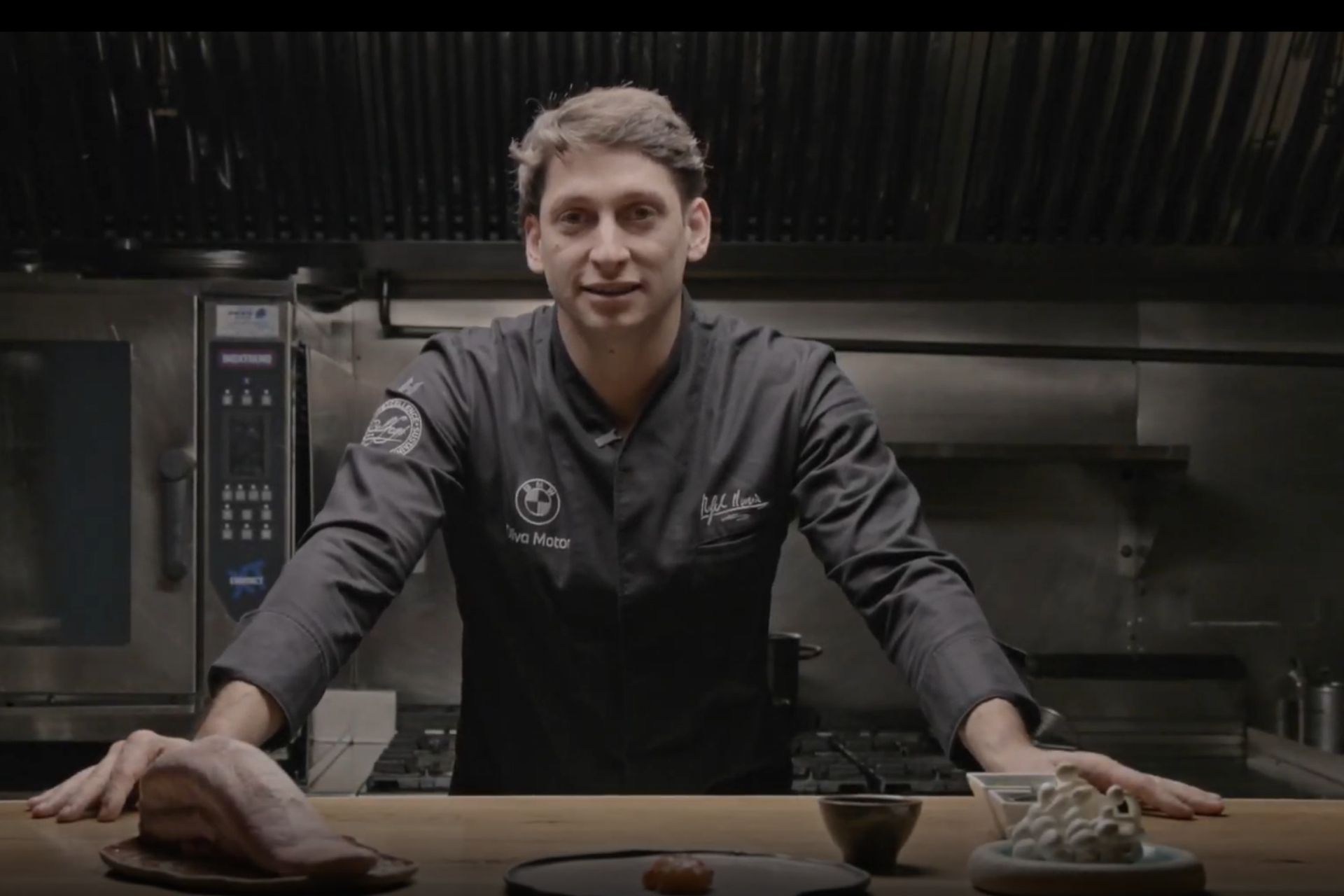
Quatremolins restaurant and its chef-owner, Rafel Muria, have chosen to work with two dishes that reflect a style of cooking rooted in a culture of resourcefulness and making the most of every ingredient. It is a cuisine closely linked to the marketplace and to the traditional use of offal, but also one that intersects with other gastronomic traditions, such as pastry-making, as exemplified by Sopa de la Reina.
One of the most distinctive aspects of Chef Muria’s reinterpretations is his ability to revisit traditional dishes through the use of new ingredients while preserving the original concept and spirit of the recipe. This approach can be seen in dishes such as Sopa de la Reina and Tripe with Pig’s Snout and Ears, where contemporary products and techniques are employed to recreate the essence of familiar flavours while remaining faithful to the cultural and culinary heritage from which they originate.
VIDEO RECIPE



METHOD

This dish presents what could be described as a culinary trompe-l’œil inspired by Sopa de la Reina, transforming it into a savoury interpretation. The original structure of the dish is preserved, but the ingredients are replaced to create an entirely different result. The foundation of the dish is a sponge made from a batter similar to that used for pancakes. This mixture is prepared with cooked potato, egg, a pinch of salt and a subtle touch of sugar, resulting in a light and delicate base that echoes the texture of the original dessert while introducing a savoury character.

The egg whites are whipped separately and folded in at the end of the process to aerate the mixture and achieve a lighter, more sponge-like texture. Once the batter is prepared, it is cooked on a griddle, producing a soft and delicate base that takes the place of the traditional sponge element in Sopa de la Reina.

At the same time, a cream inspired by traditional pastry cream is prepared, but in a savoury form. To give it greater depth of flavour, the liquid base is made from a mixture of milk and cep mushroom infusion, which lends woodland aromas and an intense savoury note that helps balance the dish. To make the cream, the egg yolks are separated from the whites and gently worked until lightly emulsified, but without the addition of sugar, unlike the classic pastry cream recipe.

The cornflour is then added, together with part of the hot liquid, and the mixture is cooked over the heat until it thickens to the consistency of a pastry cream. Once cooked, it is cooled rapidly to preserve a smooth, stable texture. When the cream has cooled completely, previously sautéed and finely chopped cep mushrooms are incorporated, enhancing the flavour and giving the dish greater depth and character. The finished preparation is then transferred to a piping bag to facilitate the final assembly of the dish.

To complete the dish, a lightly salted whipped cream is also prepared, providing a smooth, delicate element that replaces the sweet whipped cream traditionally used in desserts. To evoke the burnt egg yolk often associated with this type of preparation, a soy-cured egg yolk is used instead. This ingredient contributes colour, depth of flavour and a distinctive savoury note, reinforcing the transformation of the dish from sweet to savoury while preserving the visual references of the original Sopa de la Reina.

As a counterpoint, lightly torched guanciale is added, contributing richness, aroma and a crisp texture. A small amount of mountain honeycomb is also incorporated, preserving a subtle connection to the world of sweet flavours while creating an appealing contrast with the savoury elements of the dish.

At the time of assembly, the potato sponge is placed at the bottom of the plate. A layer of cep mushroom cream is then piped on top, followed by a little of the salted whipped cream. Another sponge layer is added next, helping to give the dish height and structure. At the centre sits the soy-cured egg yolk, which serves as the principal flavour element. The dish is then completed with additional whipped cream, the lightly torched guanciale and a small piece of mountain honeycomb. Finally, a touch of chilled sauce is added to provide a contrast in temperature, bringing together the various textures and flavours that define this savoury reinterpretation of Sopa de la Reina.

The result is a savoury reinterpretation of Sopa de la Reina, preserving the structure of the traditional dish while introducing more intense flavours, a variety of textures and a presentation firmly rooted in contemporary cuisine.