Arròs, Col i Fesols (Rice with Cabbage and Beans)
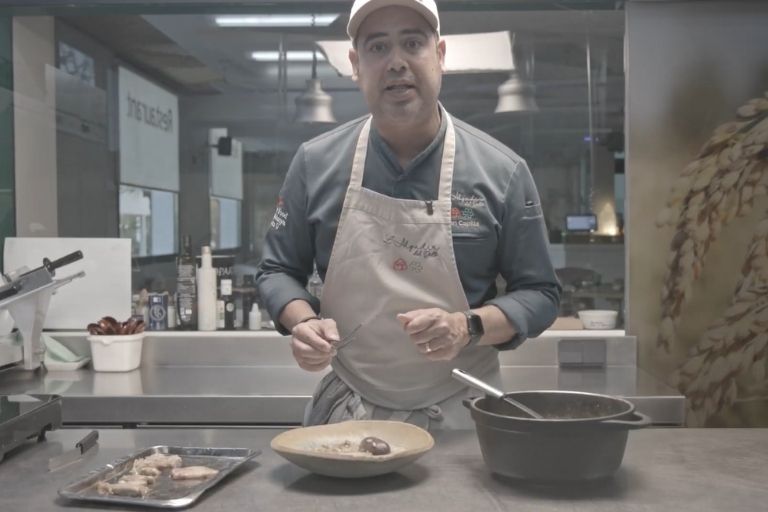
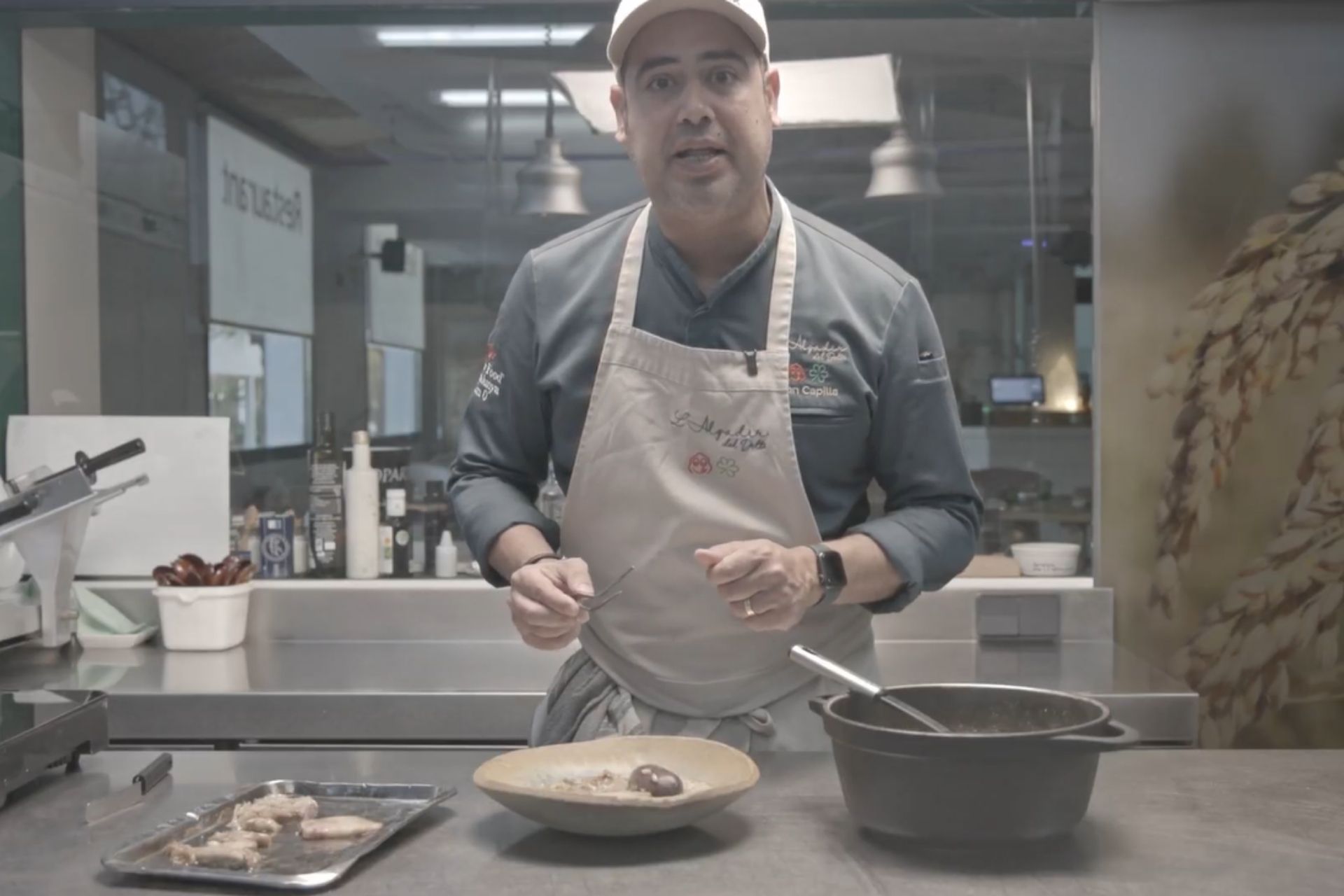
Joan Capilla, chef and owner of Algadir restaurant, has chosen to work with three dishes that hold a strong place in the culinary identity of Tortosa. The first is salt cod in suquet, a dish that evokes both the local market tradition and the festive context of Holy Week. The second is rice with cabbage and beans, a hearty one-pot dish that is emblematic not only of Tortosa but also of much of the Ebro Delta region. Finally, he revisits manjar blanco, a preparation that transports us to a distant culinary past and which today survives primarily as a dessert.
Through these dishes, Capilla explores different layers of the region’s gastronomic heritage, reinterpreting traditional recipes while preserving the flavours, memories and cultural significance that have made them enduring symbols of the local cuisine.
VIDEO RECIPE

METHOD
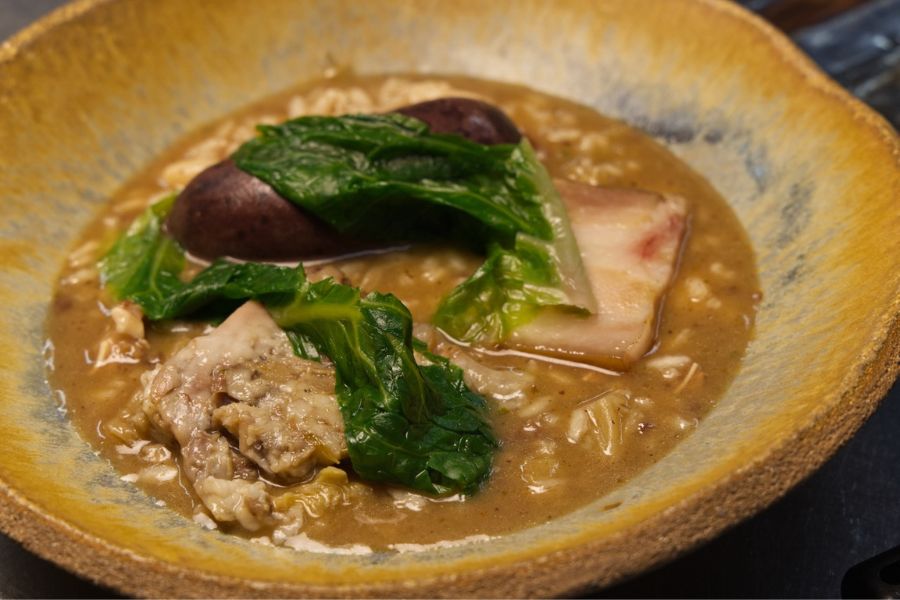
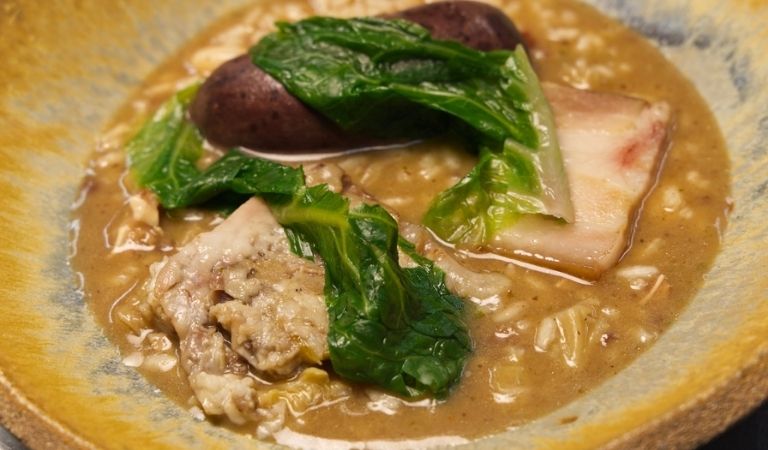
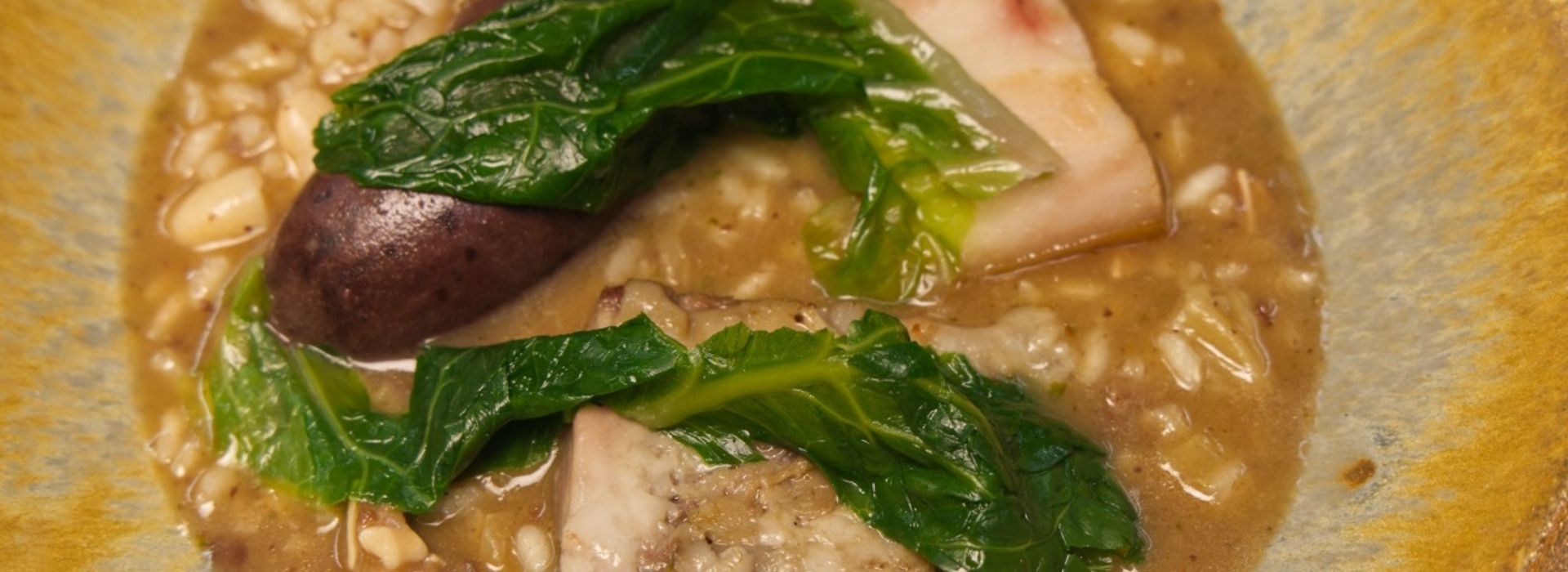
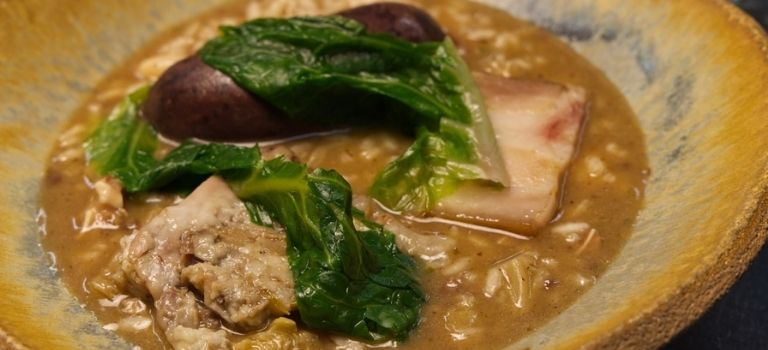
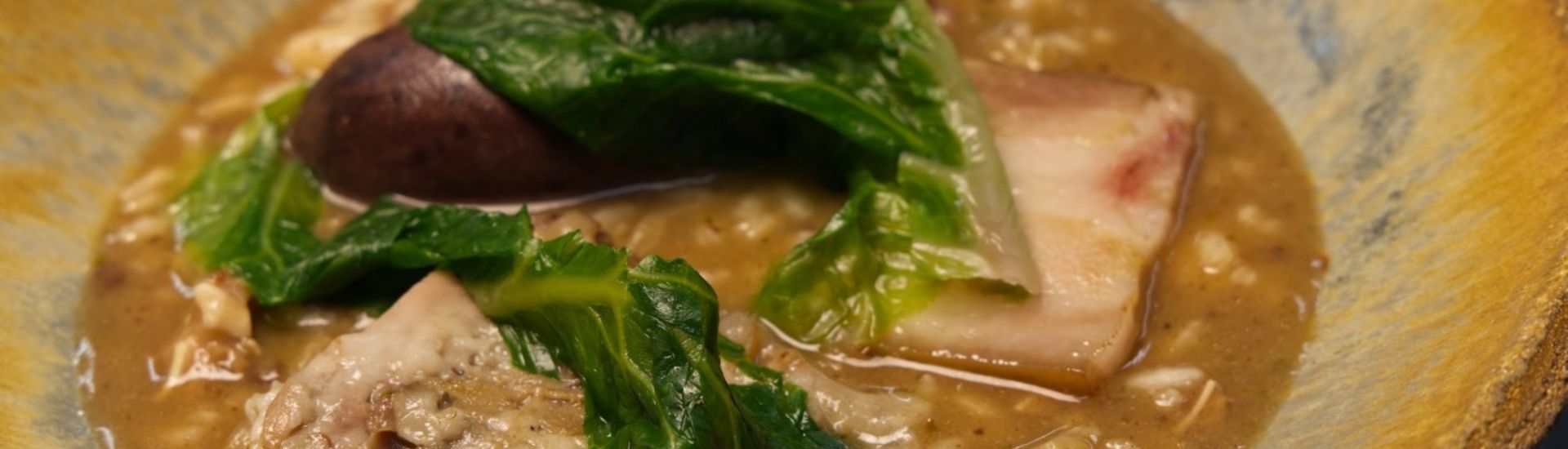
This dish presents a reinterpretation of one of the most emblematic recipes of the region: rice with cabbage and beans. Deeply rooted in local culinary tradition, it is a preparation closely associated with family memories, home cooking and the resourceful use of humble, everyday ingredients. While remaining faithful to the spirit of the original dish, this version seeks to refine its presentation and execution, highlighting the flavours that have made it a lasting symbol of the gastronomy of Tortosa and the Ebro Delta.
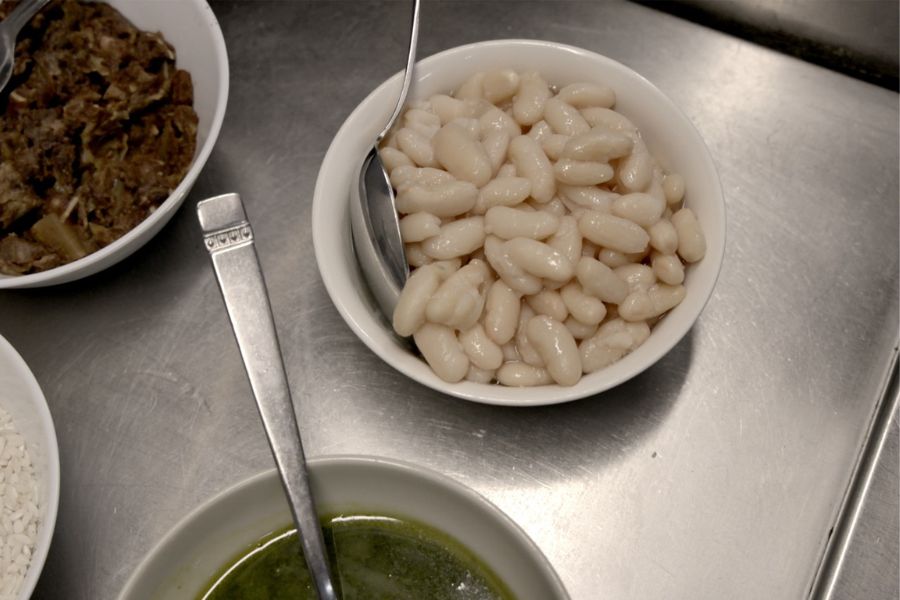
The foundation of the dish is an intensely flavoured sofregit made with various pork cuts, including pig’s cheek, trotters and ear, together with cabbage. These ingredients are cooked slowly until they form a rich, concentrated preparation that defines the character of the dish. At the same time, a traditional picada of garlic and parsley is prepared, bringing freshness and enhancing the final aromas. The rice used is Carnaroli rice from the Ebro Delta, selected for its ability to absorb the flavours of the stock while maintaining an excellent texture throughout the cooking process.
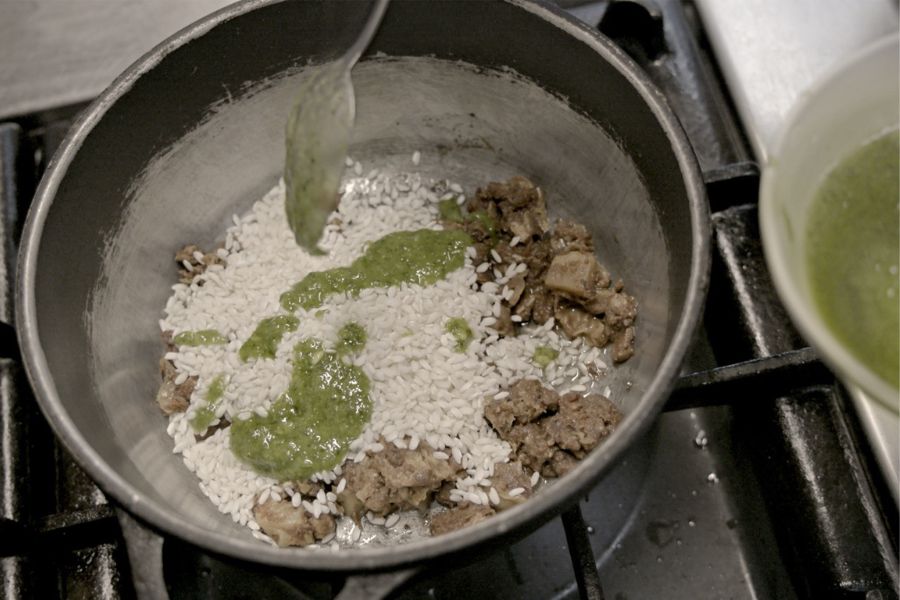
To begin cooking the rice, a small amount of olive oil—approximately 20% of the total quantity—is added together with the cabbage and pork sofregit. The rice and the picada are then incorporated and lightly sautéed, allowing the grains to absorb the flavours and aromas of the preparation before the cooking liquid is added.
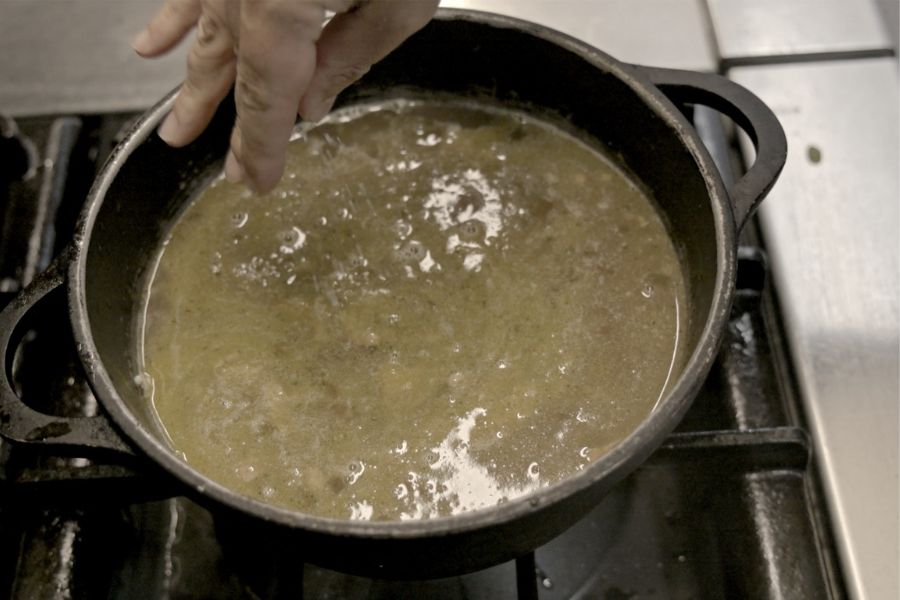
Next, the hot pork stock is added and the seasoning is adjusted. The rice is then left to cook steadily, and when approximately four to five minutes of cooking time remain, the beans are added so that they finish cooking within the rice itself, allowing their flavour to integrate naturally into the dish.
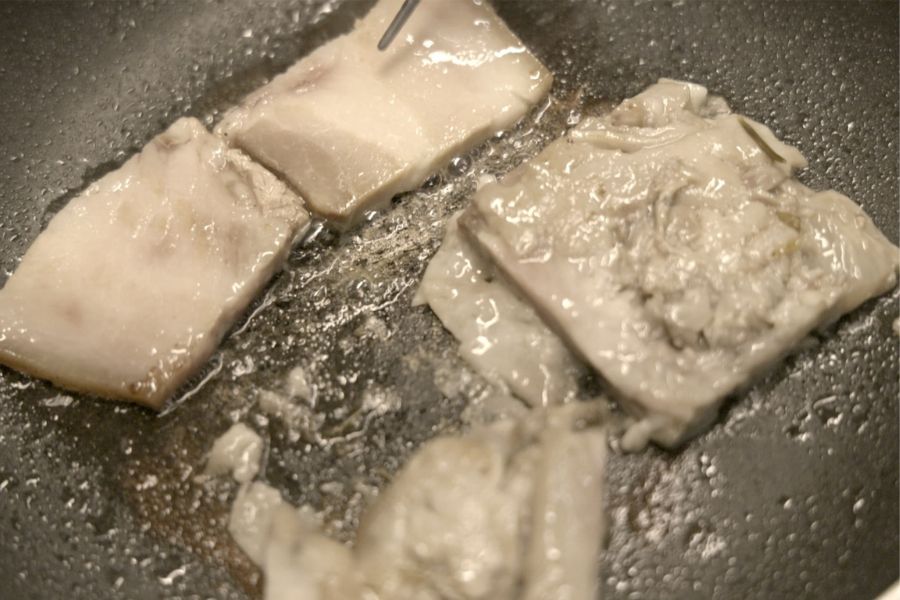
Separately, some of the meats used in the sofregit are prepared independently to provide contrasting textures. The trotters, ear and snout are cooked at a low temperature and then finished on a hot griddle to achieve a crisp exterior. The same process is applied to the jowl, which remains meltingly tender inside while developing a lightly golden, caramelised surface on the outside.
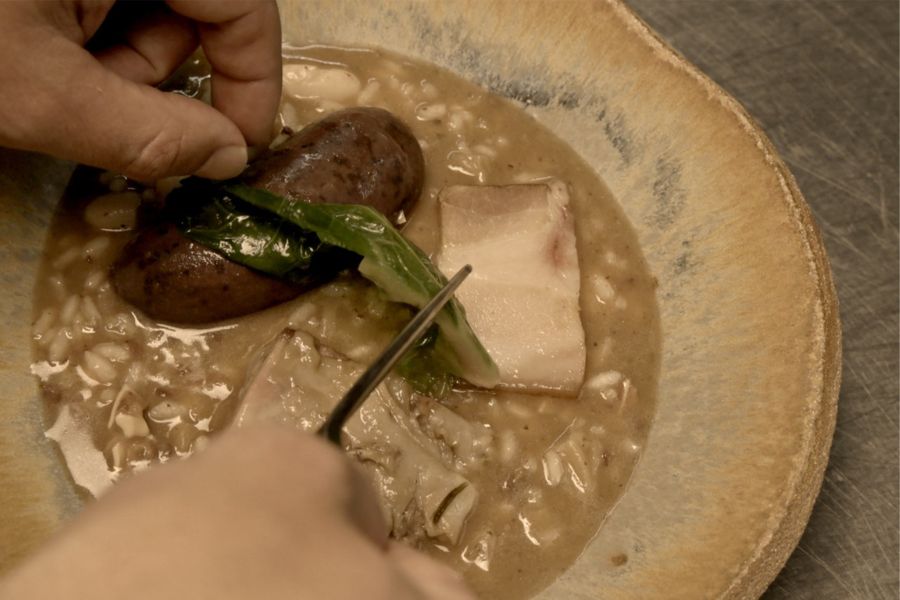
At the time of plating, the rice is arranged as the base of the dish. The onion sausage is then placed on top, together with the low-temperature pork jowl, finished on the griddle to achieve a delicate crispness. Finally, the cabbage is added, reinforcing the connection with the original recipe and completing a refined interpretation that remains faithful to the flavours and identity of this traditional dish.
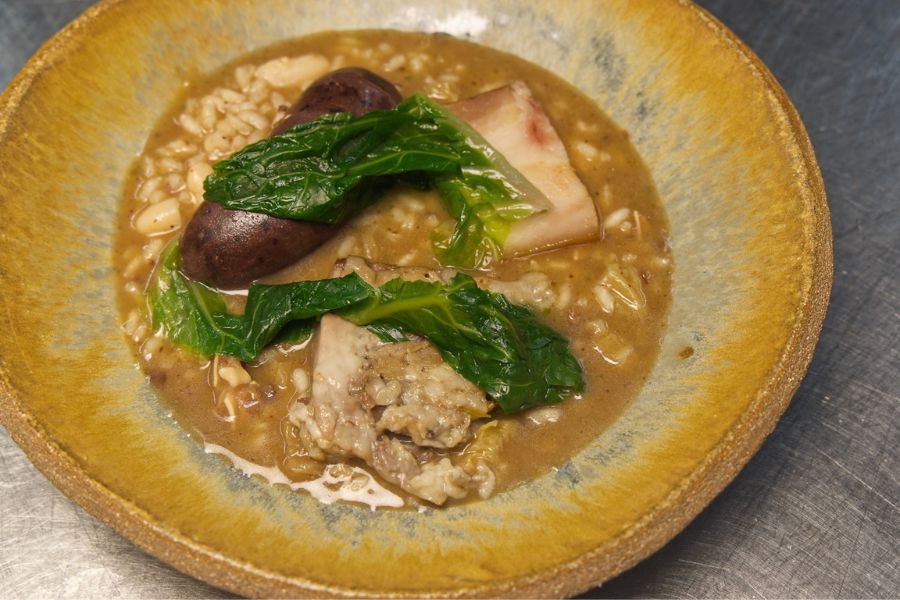
The result is a rice with cabbage and beans that preserves all the depth, richness and character of the traditional dish, while benefiting from a more precise treatment of each ingredient. The interplay of textures adds a new dimension to the experience, creating a refined interpretation that remains true to the essence of this beloved regional classic.