Description
The Ebro Delta Natural Park protects one of the most remarkable natural areas in Catalonia and the western Mediterranean. Located at the mouth of the River Ebro, this landscape has been shaped over centuries by the river, the sea and human activity. Lagoons, rice fields, beaches, dunes and wetlands create a unique environment that can easily be explored from Tortosa.
An exceptional natural area for biodiversity
The Ebro Delta is the largest wetland area in Catalonia. In addition, it provides an important habitat for a remarkable variety of plants and wildlife.
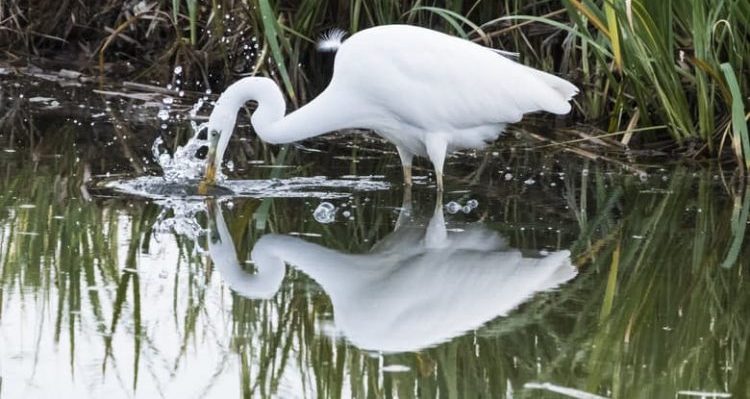
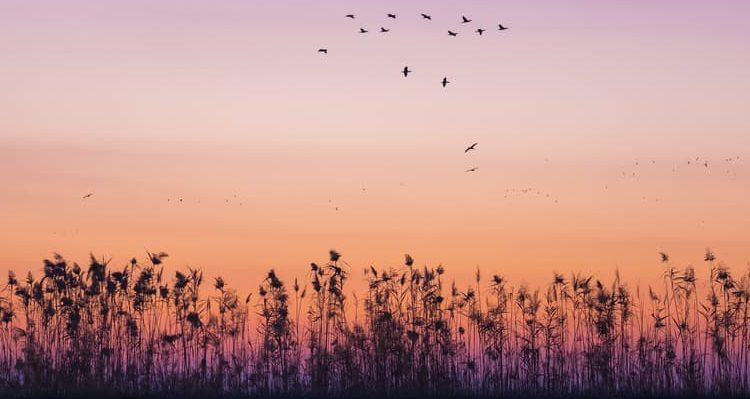
Birdlife is one of its main attractions. Throughout the year, the Delta is home to large populations of aquatic and migratory birds. For this reason, it is an outstanding destination for birdwatching. Flamingos, herons, gulls, terns and many other species can be observed across its different natural habitats.
Moreover, the diversity of landscapes supports an exceptional variety of wildlife. Freshwater and saltwater environments provide habitats for fish, amphibians, reptiles, invertebrates and mammals. Vegetation also varies according to the different levels of salinity.
Discover the Ebro Delta Natural Park
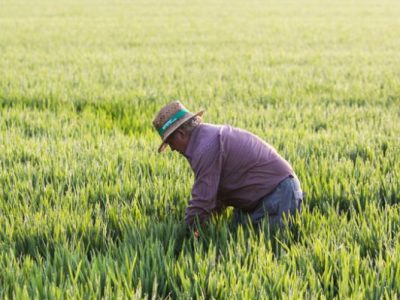
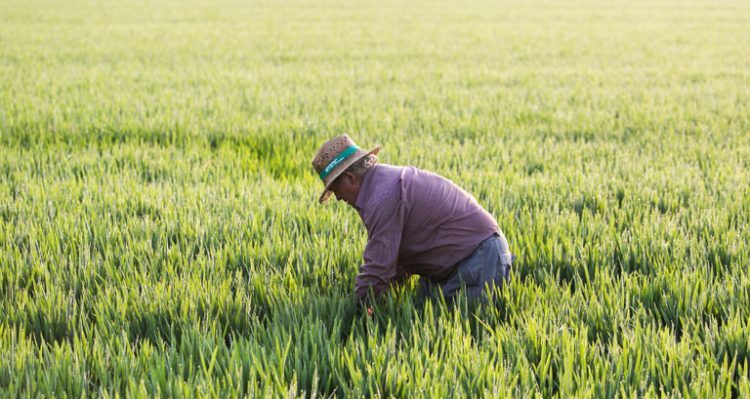
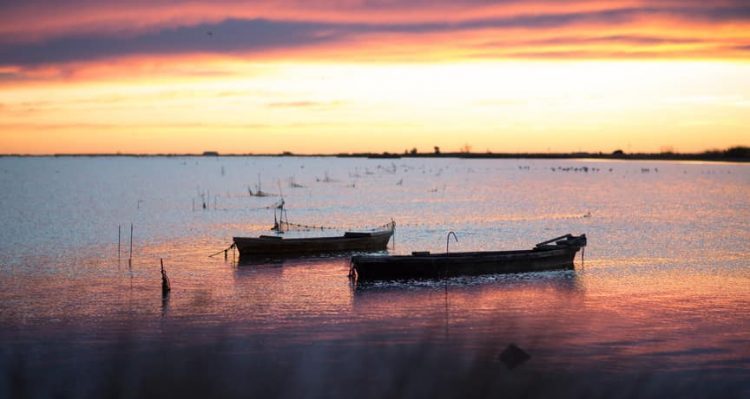
Exploring the Ebro Delta Natural Park combines nature, landscapes and local heritage. The rice fields change dramatically with the seasons. At the same time, the lagoons, beaches and bays offer some of the most characteristic landscapes of the Terres de l'Ebre.
Highlights include Les Olles lagoon, Riumar, the mouth of the Ebro, Fangar Point and the Trabucador sandbar. The Encanyissada and Tancada lagoons are also well worth discovering. In addition, observation points throughout the Delta provide excellent opportunities to watch wildlife while respecting its natural habitats.
The experience can be complemented with a visit to facilities dedicated to interpreting the landscape. These include the Ebro Delta Natural Park Ecomuseum, MónNatura Delta de l'Ebre, the Casa de Fusta and other centres focusing on rice cultivation, traditional culture and the natural environment.
A landscape to explore at your own pace
The Delta is particularly suitable for exploring on foot or by bicycle. Its predominantly flat terrain makes travelling between rice fields, lagoons and villages easy. Furthermore, boat trips along the Ebro offer a different perspective of the river and its mouth.
Places such as Deltebre, Sant Jaume d'Enveja, l'Ampolla, Amposta, Poblenou del Delta and la Ràpita add another dimension to the experience. In addition, traditional architecture, fishing, rice cultivation and river navigation provide an insight into the distinctive way of life that has developed in the Delta.
From the River Ebro to the Delta from Tortosa
Tortosa is an excellent starting point for understanding the landscape of the Ebro before reaching the Delta. From the city, visitors can follow the river towards its mouth and watch the landscape gradually change.
Moreover, the route offers opportunities to discover other places across the Terres de l'Ebre. The Assut, Campredó, l'Aldea, Camarles and Amposta add heritage and contrasting landscapes to the journey. Finally, extensive rice fields mark the arrival in the Delta, where the Ebro completes its long journey to the Mediterranean.