Description
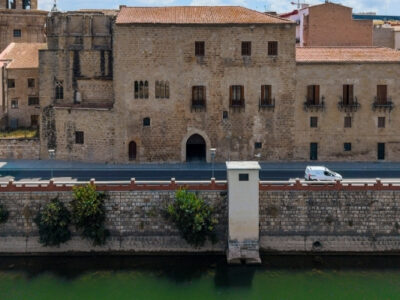
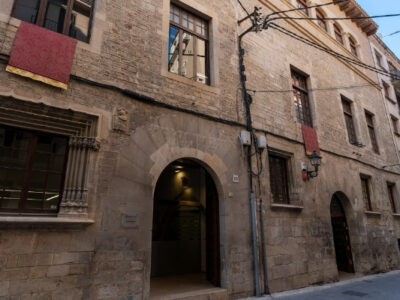
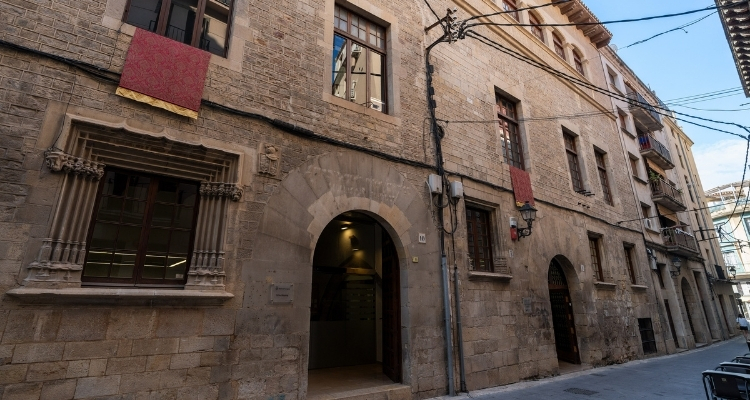
The Despuig and Oriol Palaces are two of the finest examples of Gothic civil architecture in Tortosa. Located on Rosa Street, one of the most historically significant streets in the old town, both buildings date back to the 15th century and today form a monumental ensemble that offers an insight into the legacy of the city’s great noble families.
Despuig and Oriol Palaces: noble architecture on Rosa Street
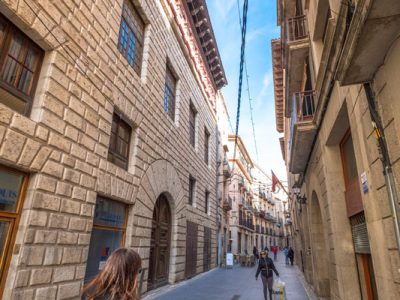
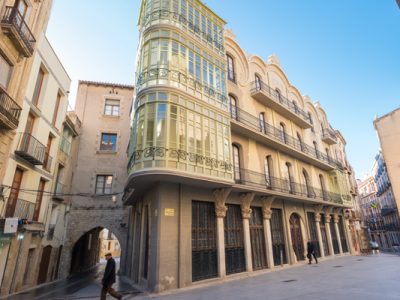
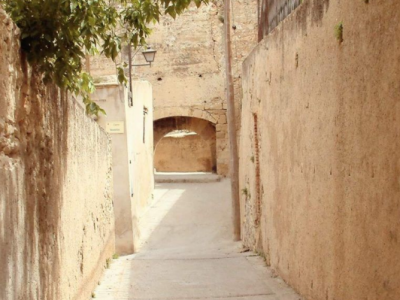
Built during the 15th century, the palaces stand in one of the most representative areas of medieval and Renaissance Tortosa. Rosa Street was home to important noble residences and still preserves buildings that reflect the prestige this part of the city once enjoyed.
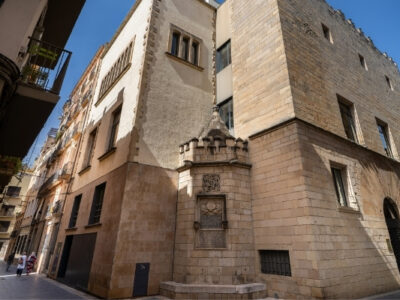
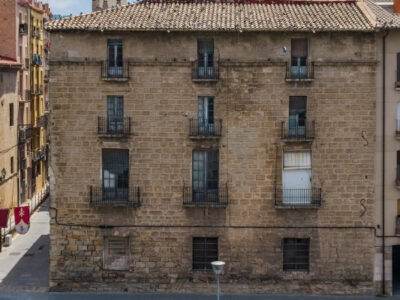
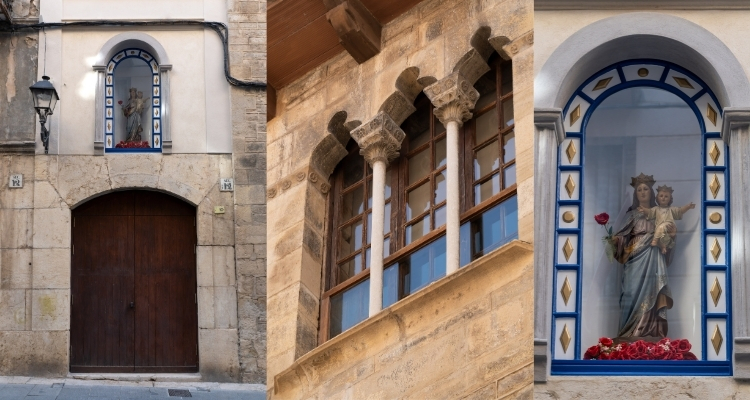
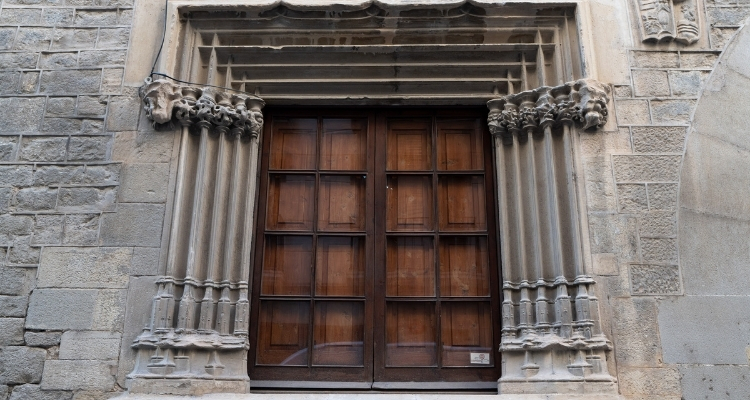
The façades of the Despuig and Oriol Palaces are characterised by their stonework and by several features typical of Gothic civil architecture. Their large voussoired entrance portals, Gothic windows and projecting wooden eaves create an elegant and monumental appearance, making the two buildings important landmarks on the street.
Moreover, the two palaces were historically connected and formed part of a single property for centuries. Today, this relationship can once again be appreciated through the internal connection between the buildings.
Gothic courtyards open during Conservatory hours
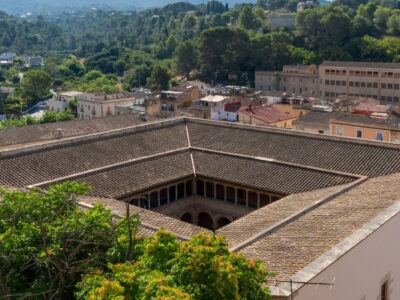
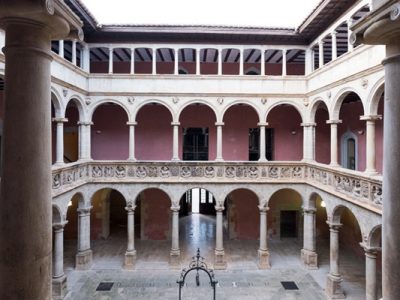
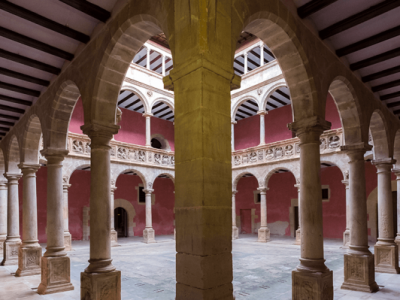
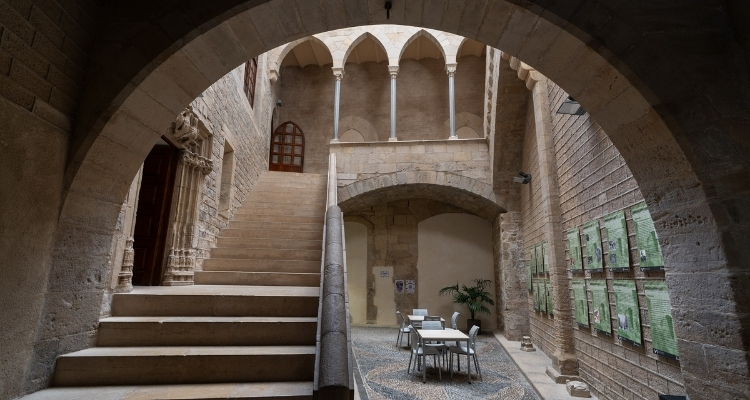
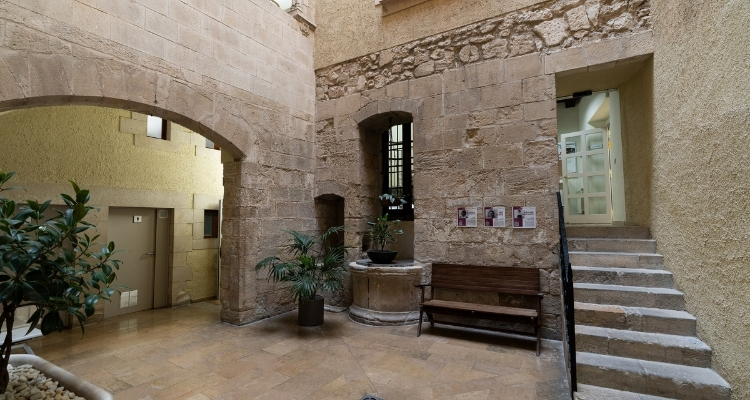
Today, both palaces house the Music Conservatory of the Tarragona Provincial Council. During the Conservatory’s opening hours, visitors can access the interior courtyards, which are now connected to each other.
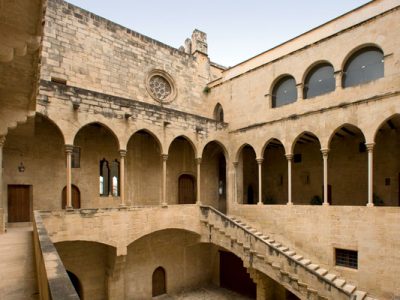
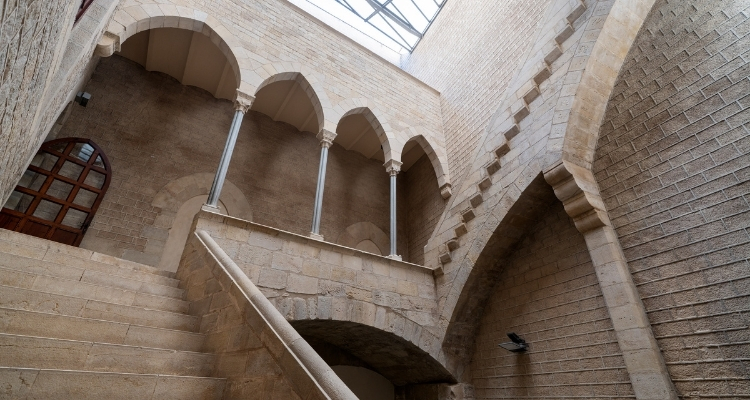
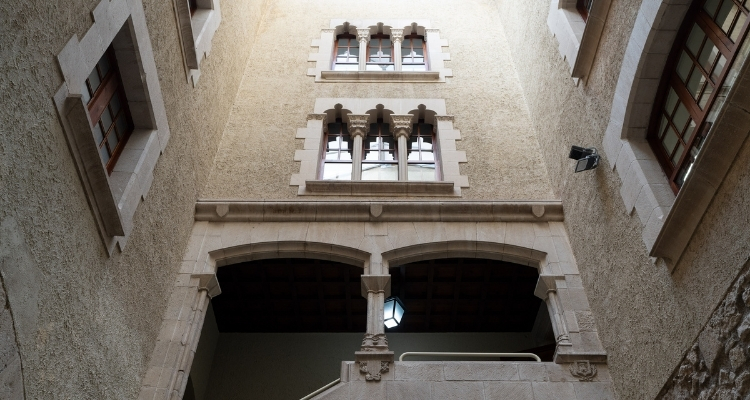
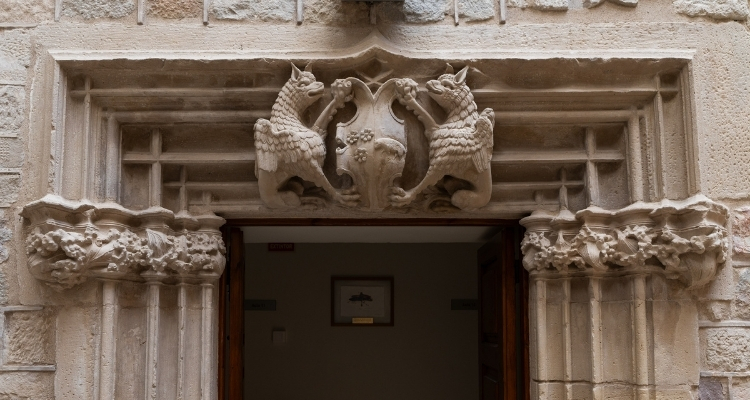
In this way, visitors can go beyond the façades and discover some of the most representative features of Tortosa’s Gothic civil architecture. Highlights include the monumental stone staircases, galleries with pointed arches supported by slender columns, and various heraldic details associated with the families who once lived in the palaces.
At the same time, the connection between the courtyards provides a clearer understanding of the historical and architectural relationship between the two buildings. However, visitors should bear in mind that the complex is a working educational institution and access is limited to the areas available during the Conservatory’s opening hours.
Despuig Palace and Cristòfol Despuig
Despuig Palace is particularly associated with Cristòfol Despuig, one of the most important figures of the Catalan Renaissance and Tortosa’s cultural history.
The family residence appears as the setting for the fifth dialogue in his work Los Col·loquis de la insigne ciutat de Tortosa, written in 1557. Considered one of the major works of Catalan Renaissance prose, its dialogues provide a valuable portrait of the society, politics, culture and everyday life of 16th-century Tortosa.
Therefore, Despuig Palace provides a tangible connection between the city’s noble architecture and one of the most significant periods of cultural prosperity in Renaissance Tortosa.
Oriol Palace and the connection between the two buildings
Oriol Palace, designated a Cultural Asset of Local Interest, shares the medieval origins of the complex. Its architecture preserves several features that reflect the prestigious character of the urban residences belonging to Tortosa’s leading families.
For centuries, the two palaces formed a single property. Today, the connection between their courtyards once again makes this close relationship visible and allows both buildings to be understood as part of a single architectural ensemble.
Overall, the Despuig and Oriol Palaces offer an opportunity to discover one of the most interesting examples of Gothic civil architecture in Tortosa. Their façades on Rosa Street, Gothic courtyards, monumental staircases and the association of Despuig Palace with Cristòfol Despuig bring together architecture, history and Renaissance culture in one of the most distinctive areas of the historic centre.