Description
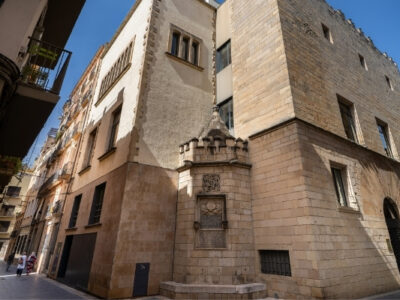
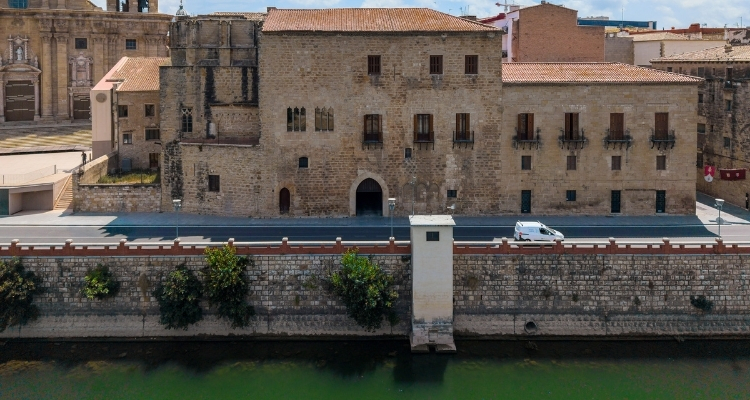
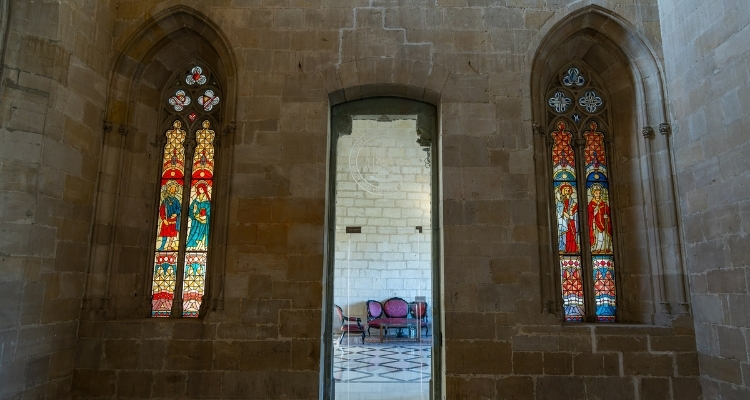
The Episcopal Palace of Tortosa, located opposite the Cathedral, is one of the finest examples of Catalan civil Gothic architecture. Built mainly during the 14th century, it forms part of one of the most important monumental areas in the historic centre. Moreover, its architecture reflects the importance achieved by the Diocese of Tortosa during the Middle Ages.
Episcopal Palace of Tortosa: a jewel of Catalan Gothic architecture
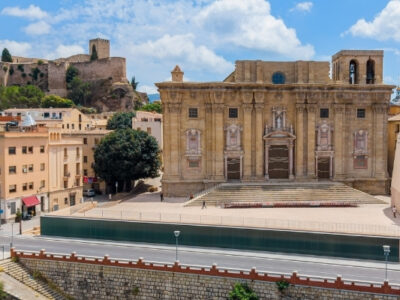
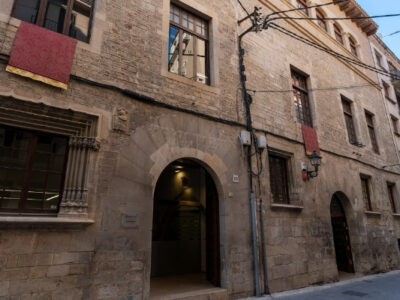
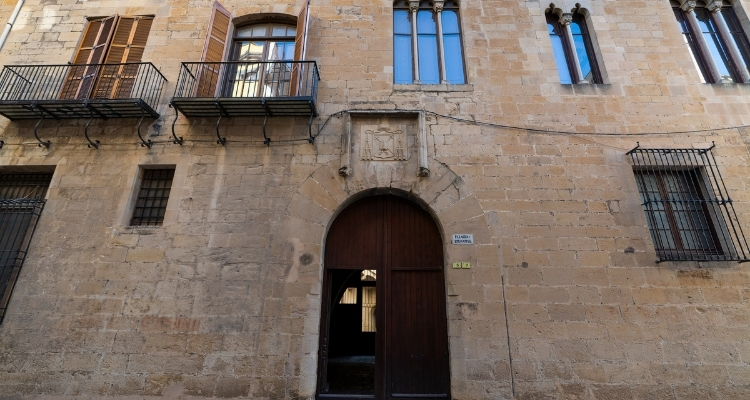
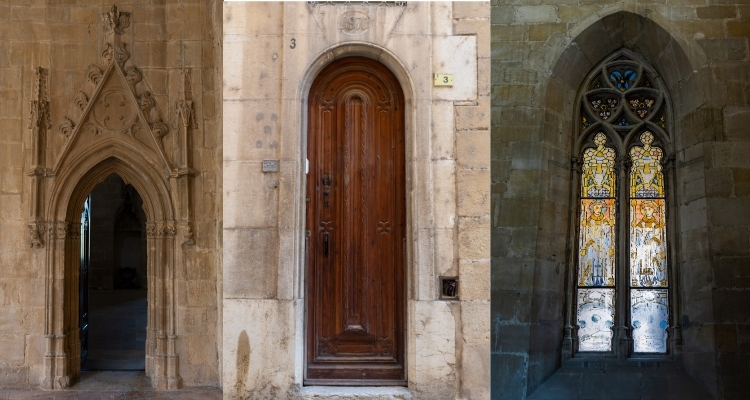
The palace was built mainly during the 14th century and preserves remarkable features of Catalan Gothic architecture. From Cathedral Square, visitors can admire its façade and imposing stone entrance. The exterior offers a glimpse of the monumental character of a building closely linked to the history of the Diocese of Tortosa for centuries.
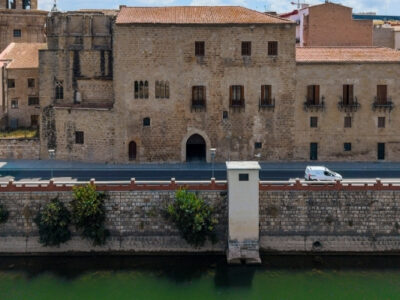
The surrounding urban landscape has changed considerably over time. Historically, the rear façade of the palace had a much more direct relationship with the city’s riverfront. Today, however, this visual connection with the River Ebro is no longer part of the visitor experience.
An exceptional Gothic courtyard
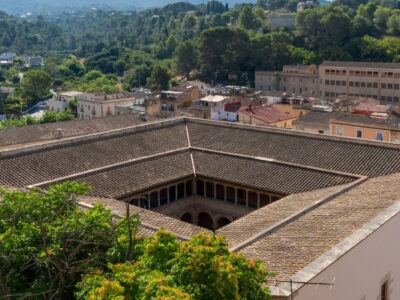
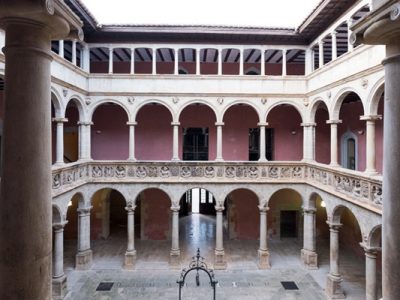
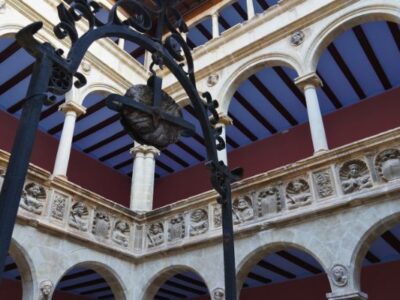
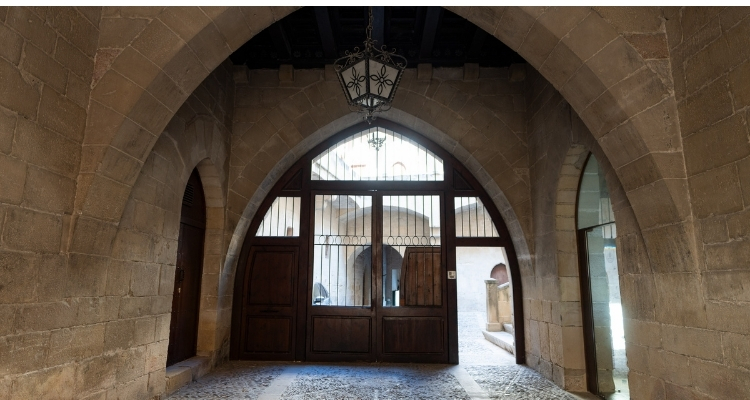
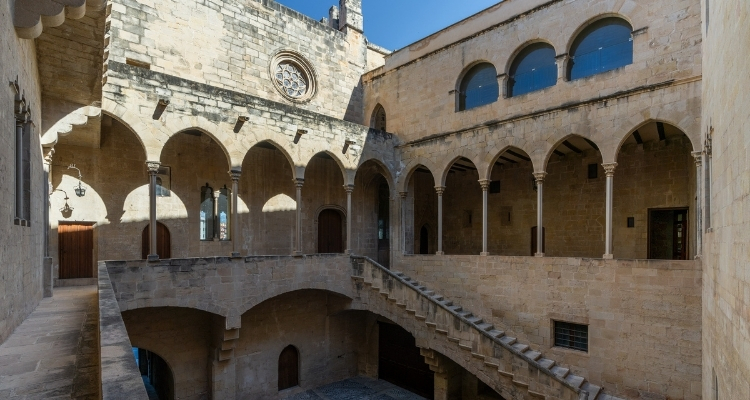
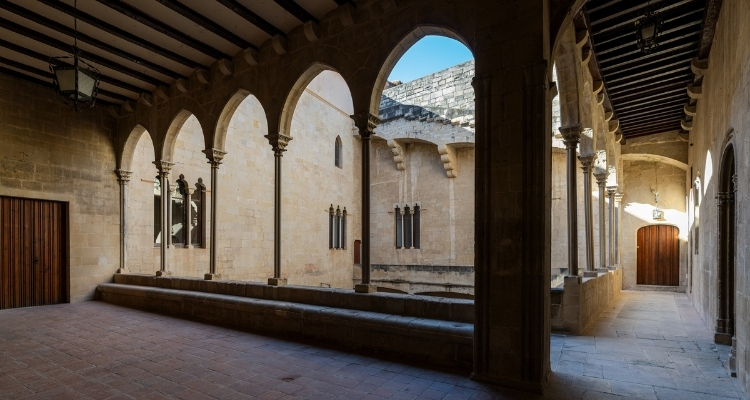
Inside the palace is one of its most remarkable architectural features: the courtyard of the Episcopal Palace. Irregular in plan, it is an outstanding example of Catalan Gothic architecture.
One of its most impressive features is the monumental stone staircase connecting the different floors. Elegant galleries of pointed arches are supported by slender quatrefoil columns. In addition, capitals decorated with plant motifs demonstrate the high artistic quality achieved by the medieval craftsmen who worked on the building.
These interior spaces form part of the architectural heritage of the Episcopal Palace. However, the palace remains in use by the Diocese and its interior is not part of a regular tourist circuit. Therefore, access may be limited to specific events or occasional openings.
The chapel of the Episcopal Palace
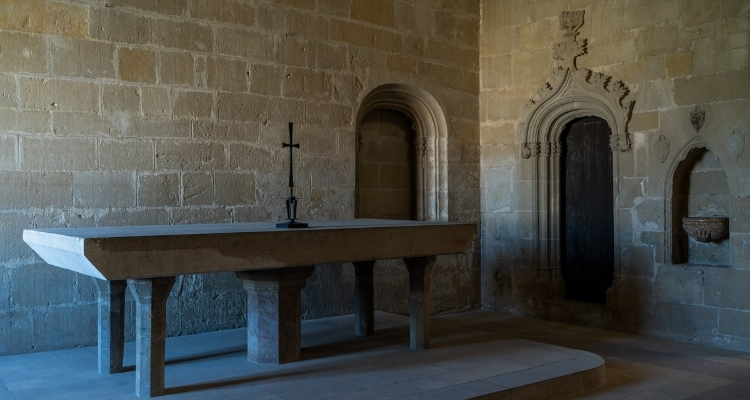
Another of the building’s great treasures is the chapel of the Episcopal Palace, built in the early 14th century on the initiative of Bishop Berenguer de Prats.
Its portal features rich sculptural decoration centred on the Virgin and Child. Figures of bishops and angels also form part of the ensemble. Due to the quality of its craftsmanship, it is one of the most significant examples of Gothic sculpture preserved in Tortosa.
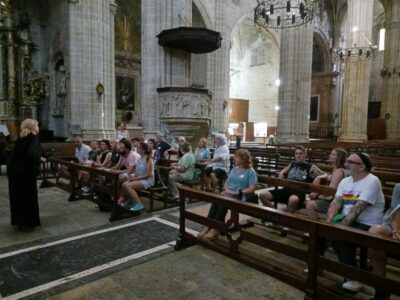
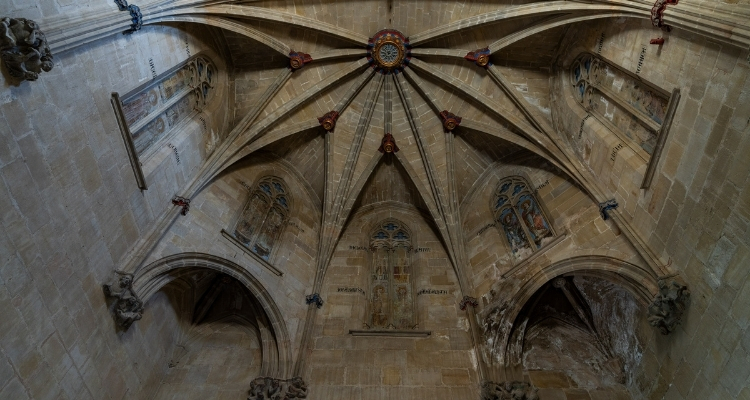
Inside the chapel, the distinctive vault of the apse is particularly noteworthy. Moreover, traces of the original polychrome decoration are still preserved. These elements reveal the artistic richness that characterised the ceremonial spaces of the medieval palace.
The power of the medieval Diocese
The monumental character of the Episcopal Palace of Tortosa reflects the importance of the Diocese during the 14th and 15th centuries. At that time, the episcopal see of Tortosa exercised considerable influence within the territories of the Crown of Aragon.
Over the centuries, the building has undergone several renovations and restorations. Despite these changes, many of the features that define its Gothic character have been preserved. In addition, its distinctive architecture has made it a filming location for audiovisual productions, including the series Los herederos de la tierra.
Today, viewing the Episcopal Palace of Tortosa complements a visit to the monumental surroundings of the Cathedral. Its exterior architecture helps visitors understand the religious and institutional importance of this part of medieval Tortosa. At the same time, its courtyard and chapel constitute an important Gothic heritage, although they are not part of a regular tourist visit.