Description
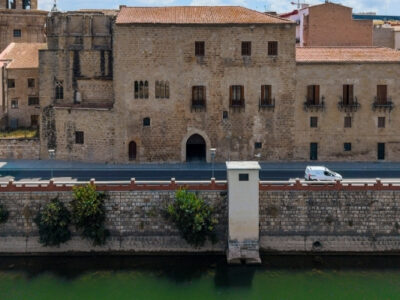
The Palace of the Generalitat is one of Tortosa’s most significant institutional buildings from the Catalan Renaissance. Located on the city’s riverfront, near the former site of the Pontoon Bridge, its architecture reflects the political, commercial and administrative importance that Tortosa achieved through its close relationship with the River Ebro.
Palace of the Generalitat: a historic seat of Catalan government
Built between 1576 and 1578, the palace was the first seat of the Diputació del General to be built outside Barcelona. This highlights the political and economic importance of Tortosa during the 16th century.
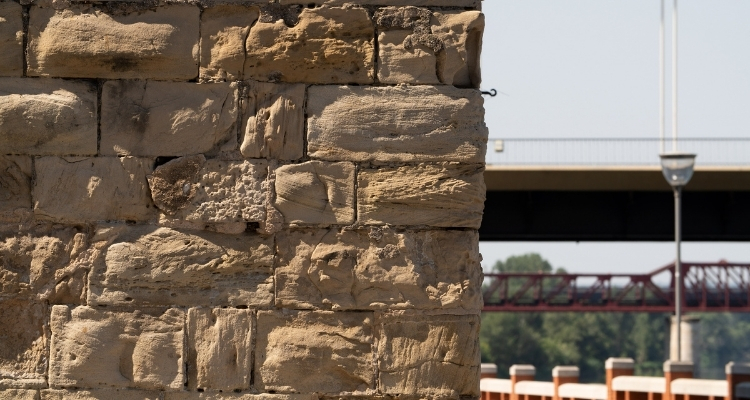
Its location also served a strategic purpose. The building stood opposite one of the main crossing points over the Ebro, in an area closely connected with the city’s commercial activity. Thus, the movement of goods transported along the river could be controlled and taxed from this location.
A Renaissance façade beside the Ebro
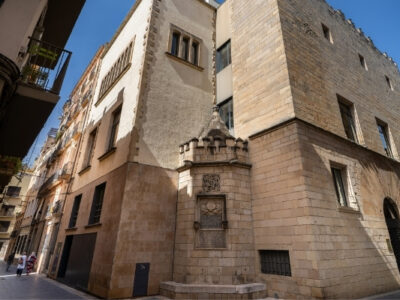
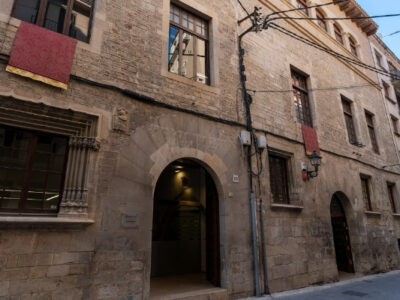
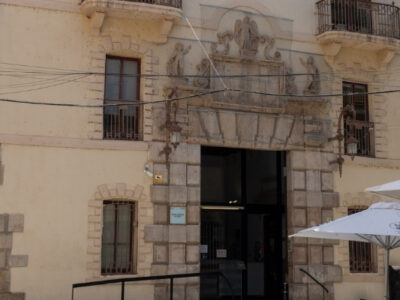
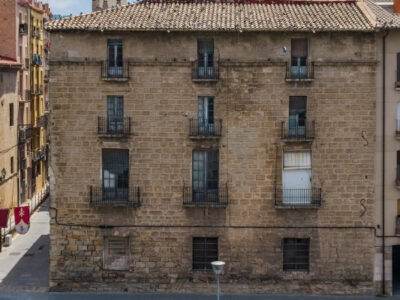
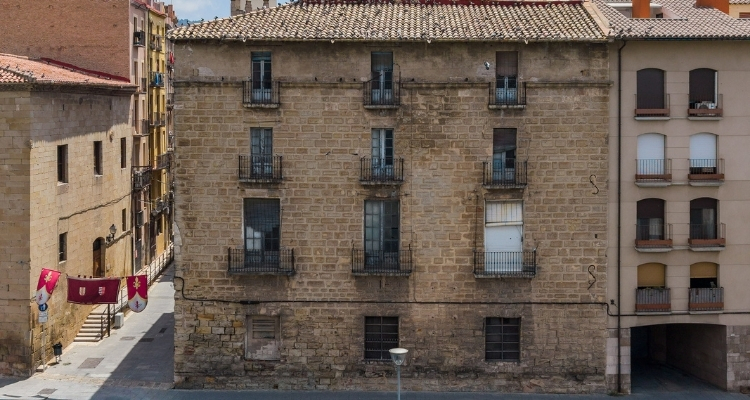
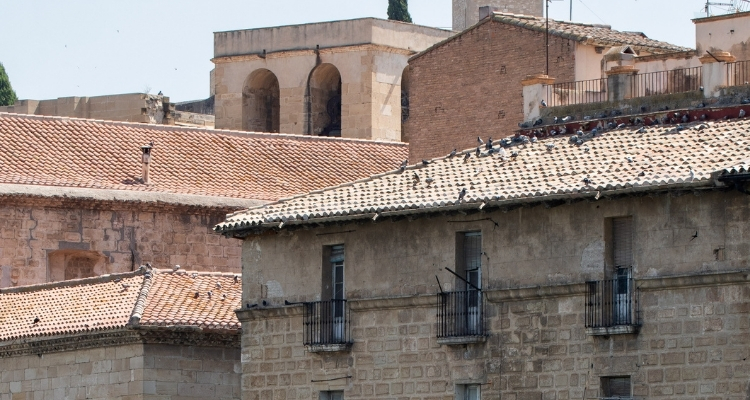
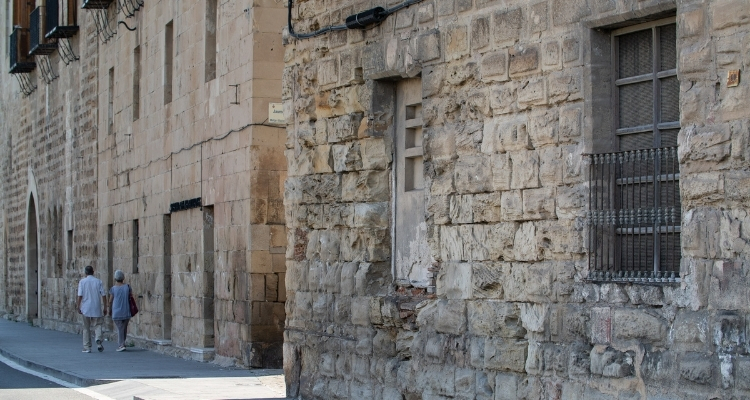
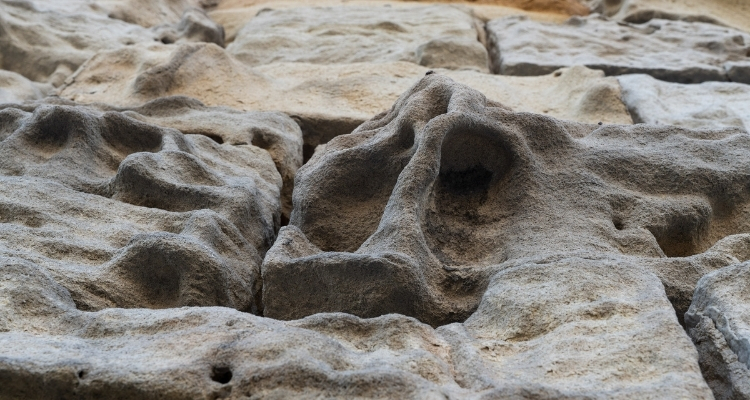
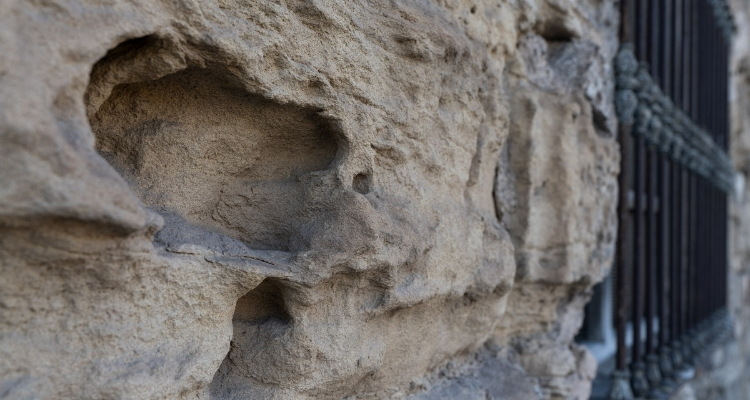
Built with stone from Flix, the Palace of the Generalitat displays the restrained elegance characteristic of Renaissance civic architecture. Today, its façade is the main feature visitors can appreciate, as the interior of the building is not open to visitors.
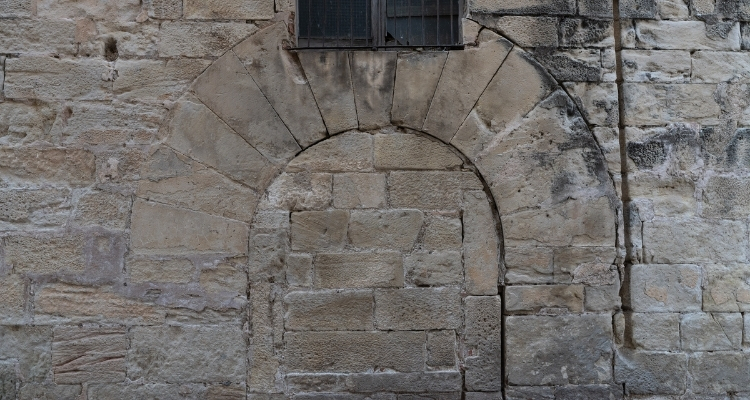
The large round-arched entrance with stone voussoirs is particularly noteworthy. In addition, the aligned balconies on the upper floors and the balanced proportions of the façade reinforce the building’s institutional character.
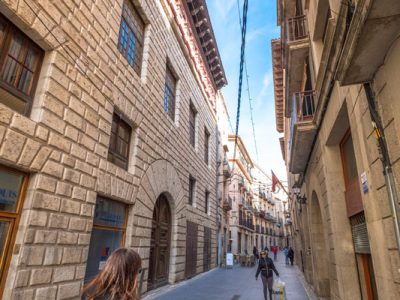
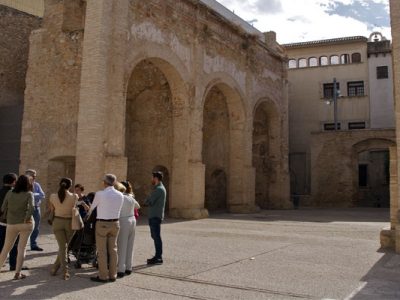
Its location makes it easy to include on a walking route along Tortosa’s riverfront and through the historic centre. In this way, the palace forms part of a group of historic buildings that illustrate the centuries-old relationship between Tortosa and the Ebro.
Dr Jaume Ferran i Clua
Over the centuries, the building has served different purposes. In the late 19th century, it was also associated with one of the leading Catalan scientists of his time, physician and bacteriologist Jaume Ferran i Clua, who was born in Corbera d’Ebre.
Ferran developed the first cholera vaccine to be administered on a large scale and pioneered research into vaccines against several infectious diseases. During his years in Tortosa, he carried out significant medical and scientific work. Today, a commemorative plaque on the building recalls his connection with this site.
A reminder of Tortosa’s institutional past
Although the interior is not open to visitors, viewing the Palace of the Generalitat from outside offers an opportunity to discover an important example of Tortosa’s Renaissance heritage. Its façade, its connection with the historic Diputació del General and its proximity to the former Pontoon Bridge reveal the importance of this part of the city.
Overall, the Palace of the Generalitat is a worthwhile stop on a walk through Tortosa’s historic centre and riverfront. Its architecture provides an insight into the city of the 16th century and helps explain the political, commercial and administrative role Tortosa played within the territory.