Description
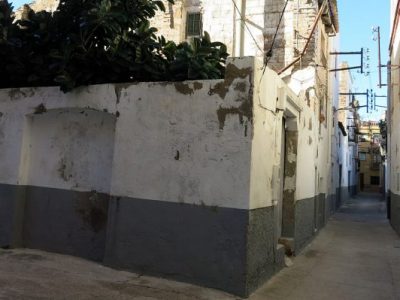
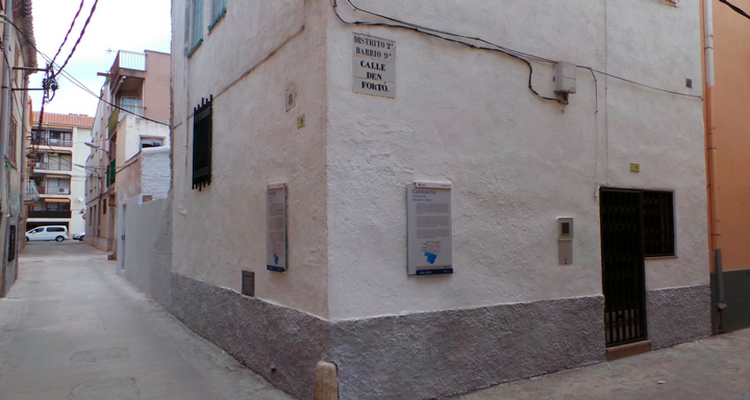
The Jewish Oven of Tortosa was one of the essential facilities in the daily life of the Jewish community during the Middle Ages. Located in the Jewish Quarter, at the end of Carrer d’en Fortó, it formed part of the services required for the functioning of the aljama, or Jewish community, and provides an insight into its customs, food traditions and organisation.
The oven’s main function was baking bread. However, its importance extended beyond food preparation, as its activity generated revenue and formed part of the economic relationships of medieval Tortosa.
Jewish Oven of Tortosa and daily life in the Jewish Quarter
During the Middle Ages, the oven provided an important service for the inhabitants of the Jewish Quarter. The Jewish community had several spaces associated with communal life, including the synagogue, the butcher’s shop and the oven.
In this context, the Jewish Oven of Tortosa was used for baking bread, including unleavened bread associated with Jewish religious practices. The site therefore provides an insight into everyday aspects of life in the quarter, from food preparation to community organisation.
In addition, the presence of these services shows that the Jewish Quarter was not simply a group of houses. It was an organised urban area with its own institutions and facilities serving the needs of the community.
An oven that generated revenue
Bread baking also had an economic dimension. The use of the oven was subject to certain fees and, during the Middle Ages, the Montcada family and the Order of the Temple received revenue associated with this activity.
Therefore, an apparently ordinary facility such as an oven also provides an insight into the economic and feudal relationships surrounding Tortosa’s Jewish community.
This combination of food production and economic activity makes the oven a particularly interesting element for understanding how the medieval Jewish Quarter functioned.
From the Jewish Oven to the King’s Oven
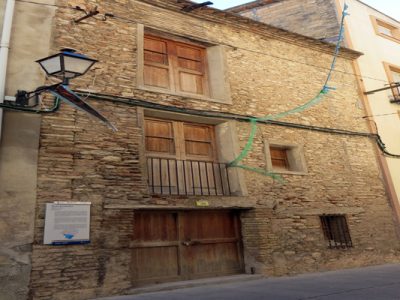
The memory of the oven survived after the disappearance of the medieval Jewish community. As late as the 17th century, the establishment was still documented at the end of Carrer d’en Fortó under the name Forn del Senyor Rei, or King’s Oven.
This change of name reflects the continuity of the site after the expulsion of the Jews in 1492. The oven remained part of the urban life of the neighbourhood, although the community that had originally used it was no longer present.
In this way, the history of the oven also helps trace the transformations experienced by the Jewish Quarter over the centuries.
The oven within Tortosa’s Jewish Quarter
The Jewish Oven of Tortosa forms part of a route through several sites associated with the city’s former Jewish community. The Jewish butcher’s shop, another essential facility in the daily life of the neighbourhood, was also located on Carrer d’en Fortó.
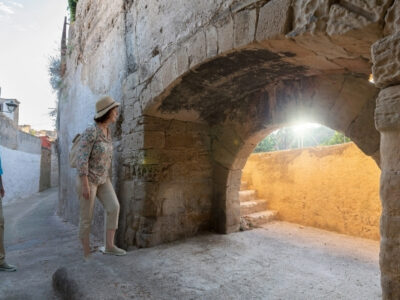
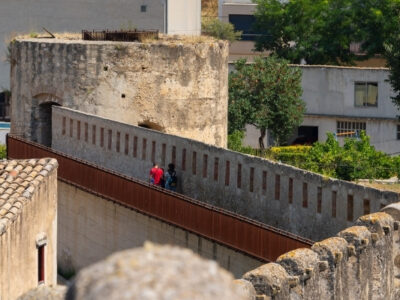
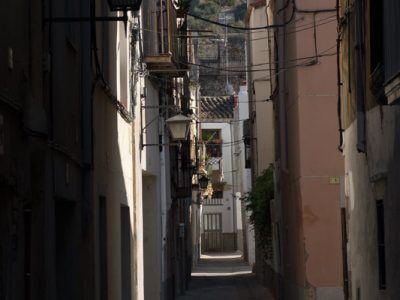
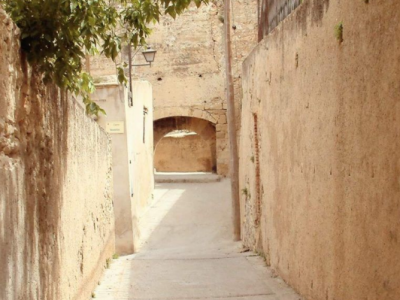
Nearby, visitors can continue through the narrow, irregular streets of the Jewish Quarter and discover other places associated with Tortosa’s Jewish heritage, including the site of the former synagogue, the Jewish Gate, Vilanova Street and the medieval city walls.
Thus, the oven takes on its full significance when understood as part of this historic urban fabric. Its location helps visitors imagine a lively neighbourhood where homes existed alongside communal services.
A site to interpret from the street
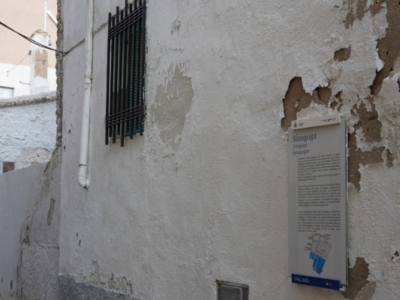
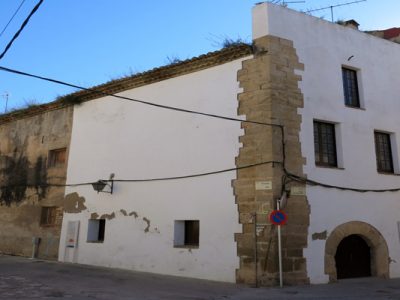
No interior space belonging to the Jewish Oven survives as a site prepared for tourist visits. Its discovery therefore focuses on its historical location at the end of Carrer d’en Fortó and on understanding the role the establishment played within the medieval Jewish Quarter.
Walking through the surrounding streets helps place the oven in context alongside other sites and remains associated with the Jewish community. The experience therefore does not depend on entering a building, but rather on interpreting the historic urban landscape and the stories it preserves.
Finally, the Jewish Oven offers an insight into an especially everyday aspect of Tortosa’s Jewish past. Bread, food, revenue and communal services reveal an essential part of life in the Jewish Quarter. As part of a walk through the neighbourhood, this historic site helps visitors better understand one of the communities that contributed to shaping medieval Tortosa.