Description
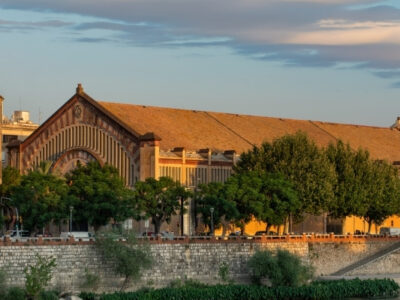
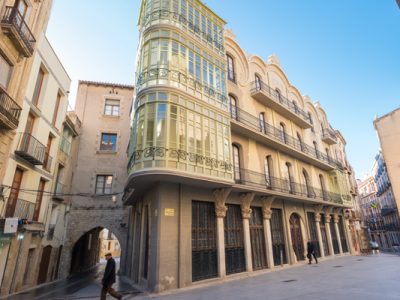
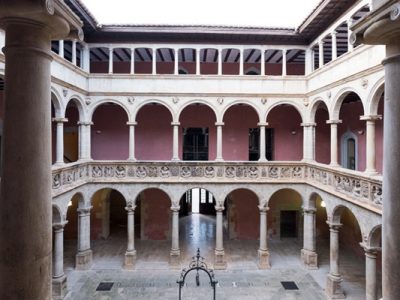
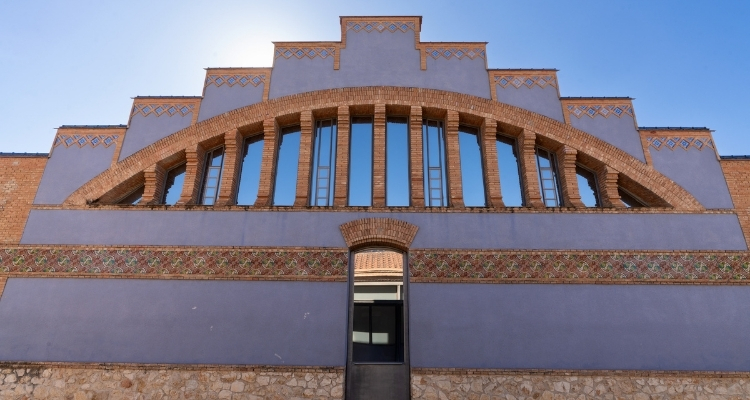
The Tortosa Museum is an essential visit for anyone wishing to discover the city’s history and understand its development over more than two thousand years. It is housed in the former Municipal Slaughterhouse, one of the finest examples of Modernisme architecture in Tortosa. In addition, the museum combines exceptional architectural heritage with a journey through the history, archaeology and art of Tortosa and the Terres de l’Ebre.
Tortosa Museum: a Modernism building
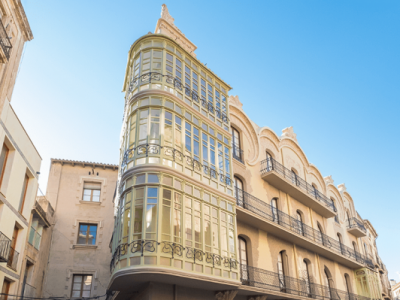
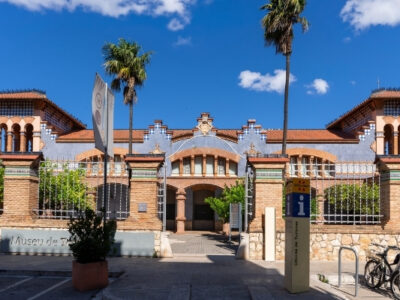
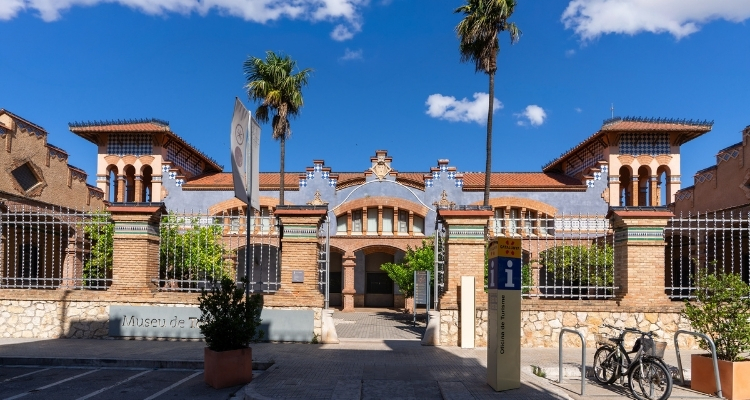
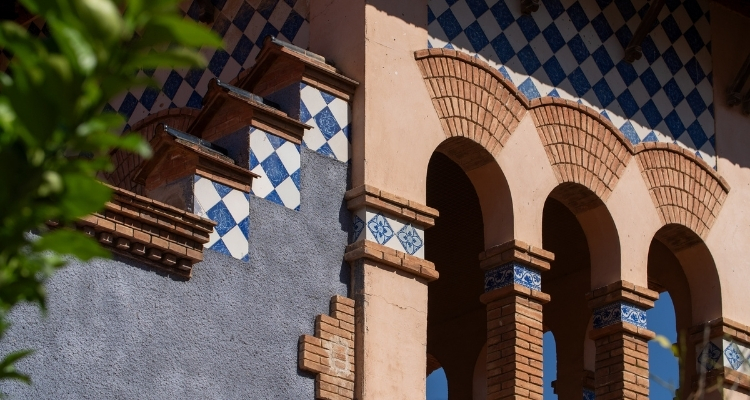
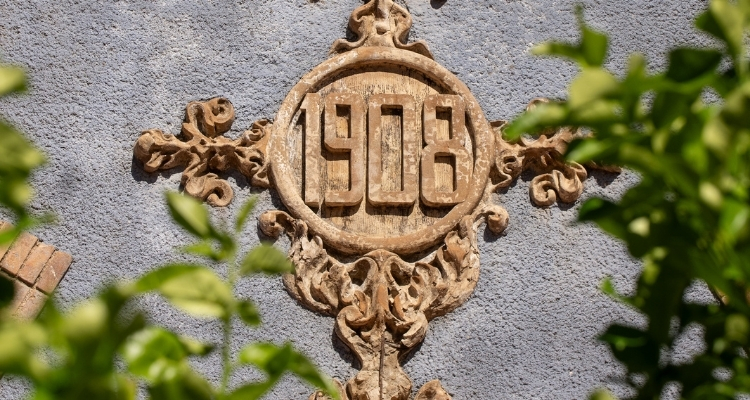
The former Municipal Slaughterhouse was built between 1906 and 1908 to a design by architect Pau Monguió i Segura. The complex is one of the most important examples of Modernisme architecture in the Terres de l’Ebre. Therefore, the building itself is one of the highlights of the visit.
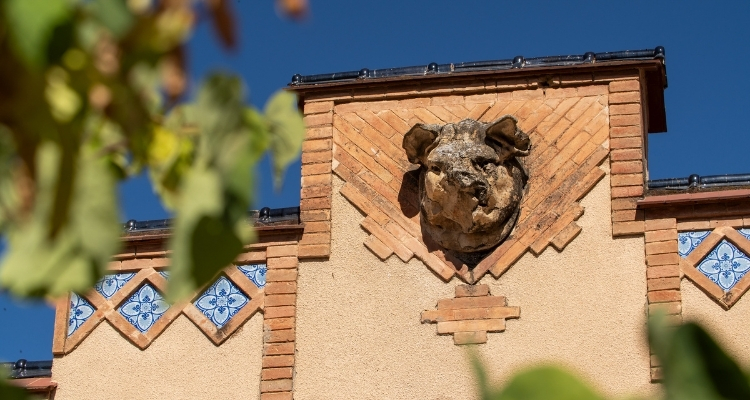
The different pavilions are arranged symmetrically. Moreover, they stand out for their combination of exposed brick, ceramics and glazed roof tiles. These materials and decorative features give the complex a distinctive Mudéjar influence.
The architectural importance of the building has also been recognised as part of the city’s heritage. In fact, Tortosa’s Modernisme architecture was chosen as one of the 7 Treasures of Tortosa’s Cultural Heritage during the city’s designation as Capital of Catalan Culture in 2021.
More than two thousand years of history
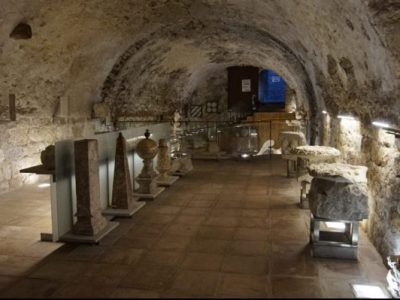
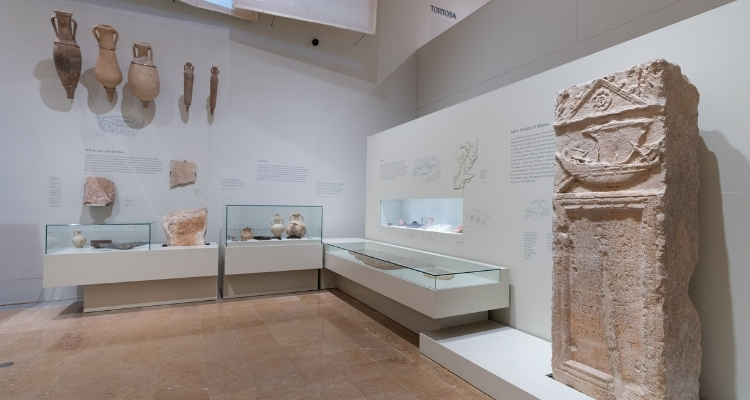
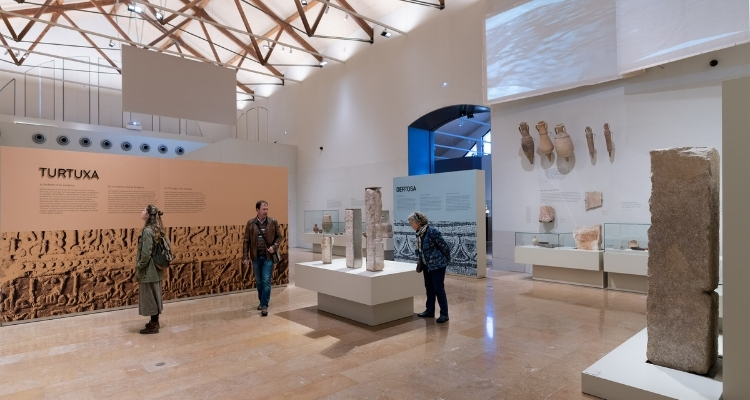
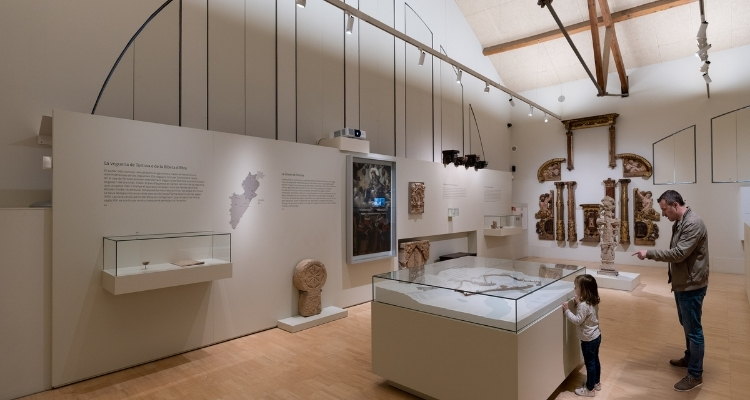
The permanent exhibition at the Tortosa Museum is organised into six thematic sections. In this way, visitors can explore the history of the city and surrounding region from prehistoric times to the 20th century.
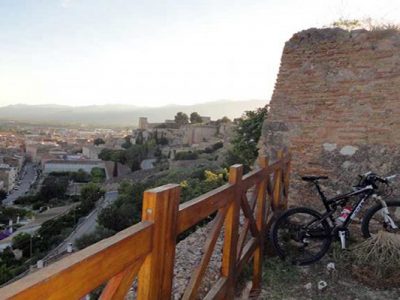
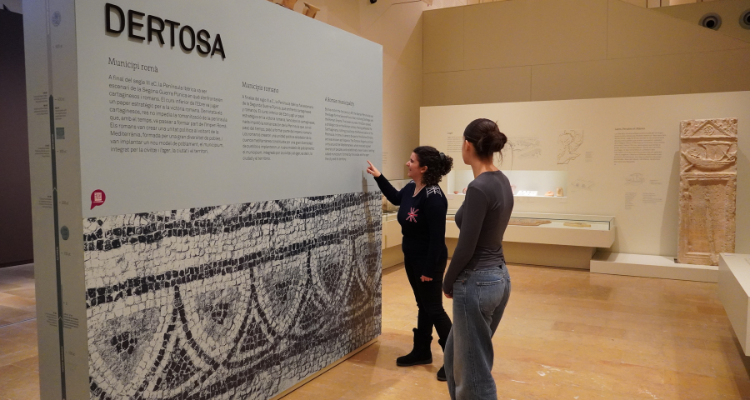
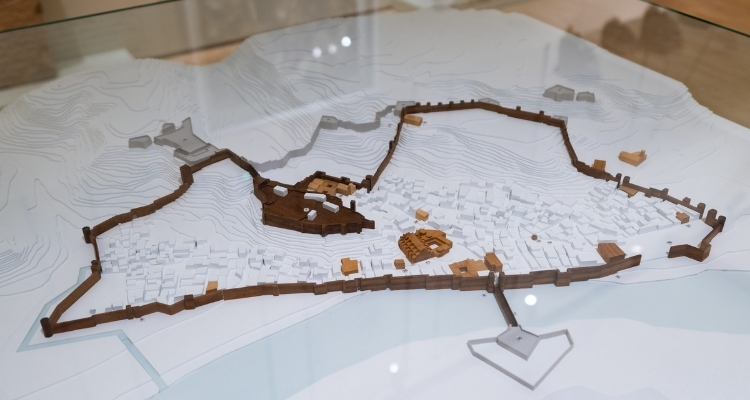
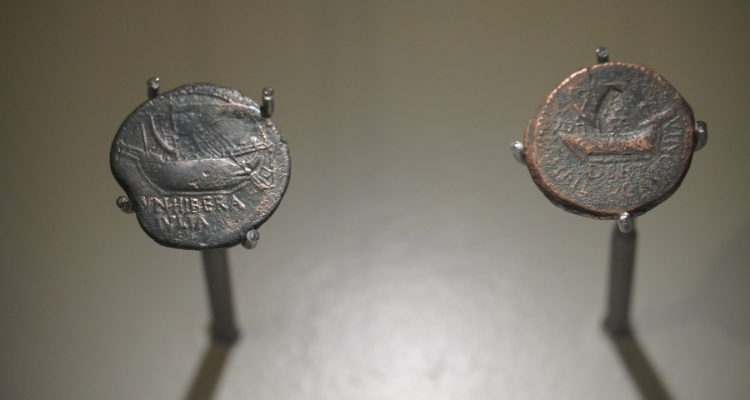
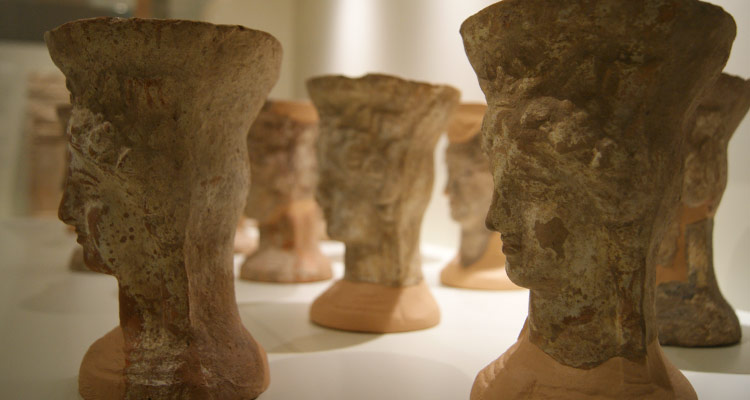
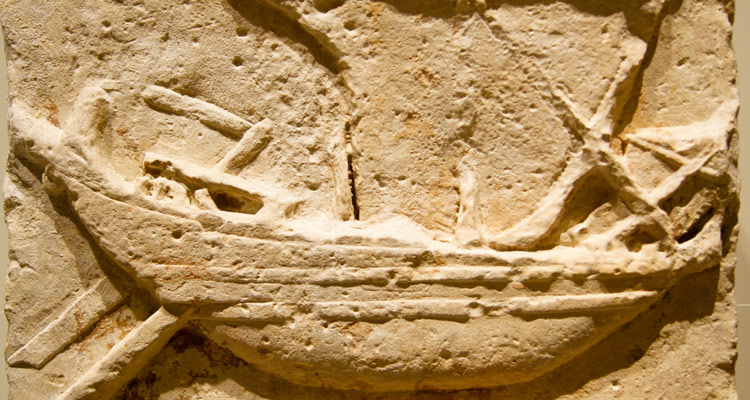
First, the exhibition introduces the earliest human communities and Iberian culture. The route then explores the Roman city of Dertosa and Andalusi Turtuxa. Finally, it continues through medieval Tortosa and the transformations that shaped the modern city.
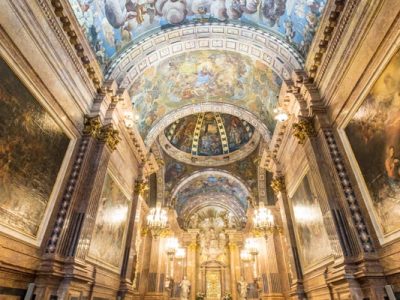
The exhibits come from the museum’s own collection and from deposits by leading cultural institutions. These include the Museo Nacional del Prado and the Museu Nacional d’Art de Catalunya (MNAC). The National Archaeological Museum of Tarragona and the Museu de les Terres de l’Ebre are also represented. Thus, archaeology, history and art help explain the different cultures that have shaped Tortosa.
Tortosa artists between the 19th and 20th centuries
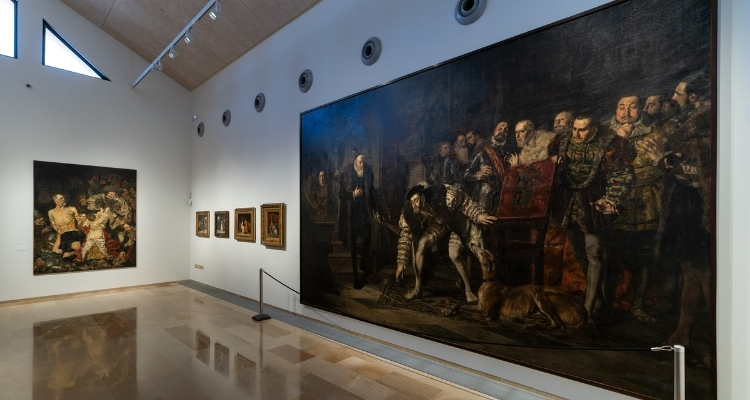
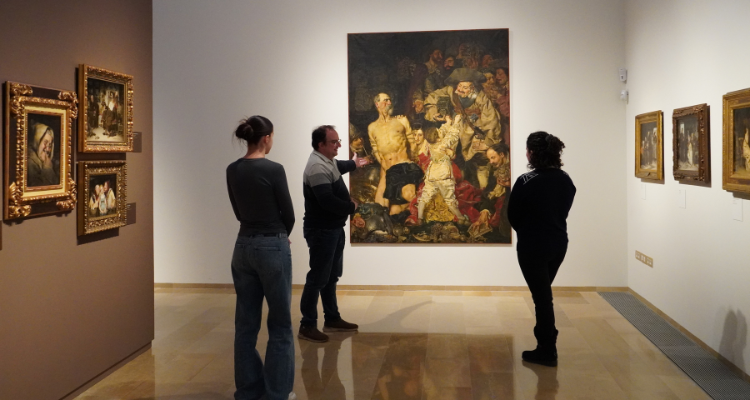
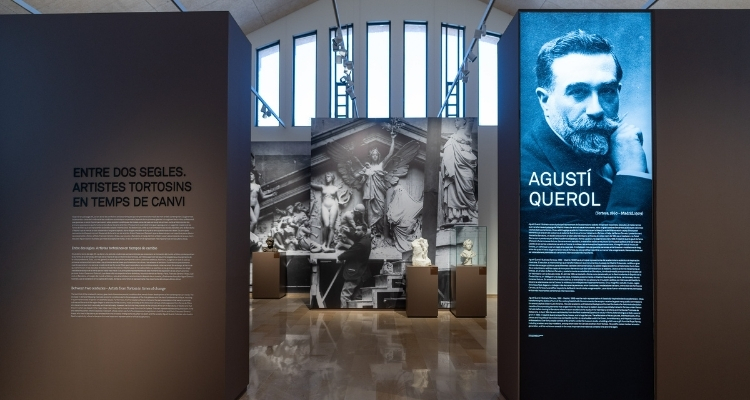
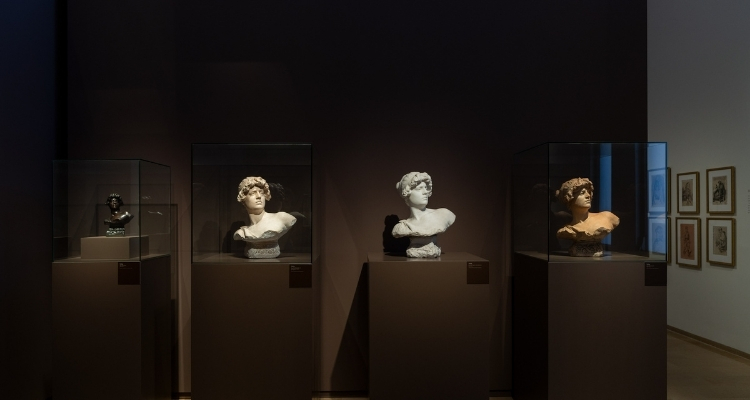
In addition, the visit includes the exhibition Between Two Centuries: Tortosa Artists in Times of Change. This exhibition explores another important aspect of the city’s cultural heritage.
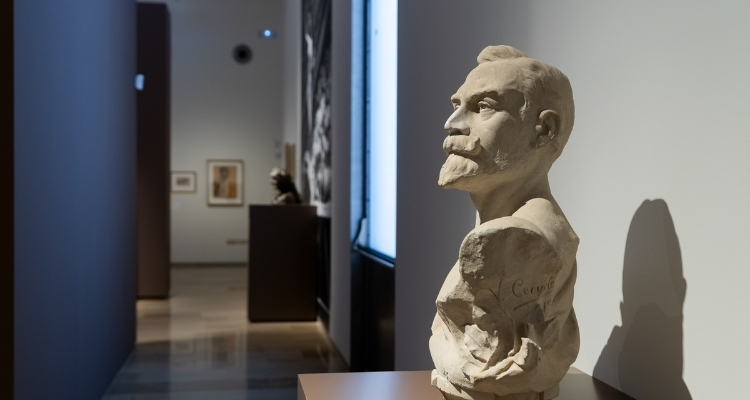
It brings together 55 works by Antoni Casanova i Estorach, Francesc Gimeno i Arasa and Agustí Querol i Subirats. All three artists developed significant careers between the 19th and 20th centuries.
The exhibition combines works from the Tortosa Museum collection with pieces from other institutions. These include the Museu Nacional d’Art de Catalunya (MNAC) and the Museo del Prado. Works from private collections are also on display. As a result, visitors can gain a broader understanding of the careers and artistic significance of these Tortosa-born artists.
A cultural space in Tortosa
In addition to its permanent exhibitions, the museum hosts temporary exhibitions, cultural activities and projects related to the visual arts. For this reason, the former Municipal Slaughterhouse is also a dynamic cultural space with an evolving programme.
Overall, visiting the Tortosa Museum offers two experiences in one place. On the one hand, it provides a journey through more than two thousand years of history. On the other, it offers the opportunity to explore one of the most emblematic Modernisme complexes in the Terres de l’Ebre. In this way, heritage, architecture, archaeology and art come together to tell the story of Tortosa and its surrounding region.
Visitor information
General admission: €3
Reduced admission: €2
Visitors aged over 65*, large and single-parent families*, disability card holders*, students with valid ID*, Sefarad Card holders* and holders of a Privilegium card issued in Morella or Alcañiz*. Also applies to groups of 15 to 49 people (price per person).
Reduced admission: €1
Groups of 50 people or more (price per person).
Free admission
Tortosa Card holders*, officially accredited tourist guides*, teachers*, ICOM members*, children under 14* and Club Super3 members*.
*Relevant supporting documentation must be provided.