Description
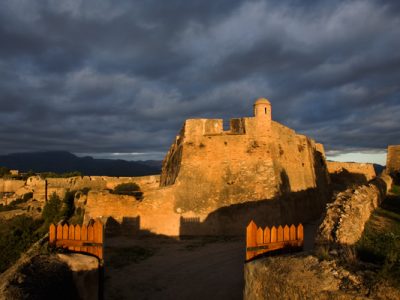
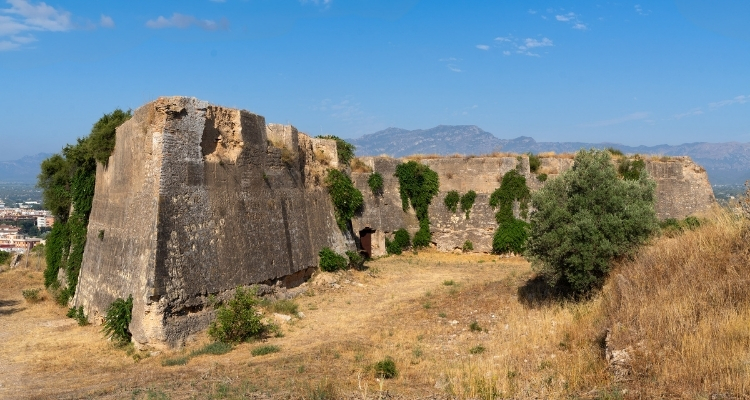
Tenasses Fort Tortosa is one of the major fortifications in the city’s historic defensive system. Located at the northernmost point of the fortified perimeter, near Remolins, it stands out for its size and the complexity of its surviving military structures. The site provides an insight into Tortosa’s strategic importance during the 17th and 18th centuries.
Tenasses Fort Tortosa: a major outer fortification
Tenasses Fort is the outermost element of Tortosa’s fortified system. Its construction took place mainly between the second half of the 17th century and the early 18th century, a period marked by major military conflicts.
The first phase is associated with the Reapers’ War, when the city’s defences were strengthened to meet the changing requirements of artillery warfare. Later, following the Bourbon conquest of Tortosa during the War of the Spanish Succession, further work was carried out on the fortifications.
Its position was particularly important for reinforcing the northern sector of the Remolins fortifications. Thus, Tenasses helped protect one of the approaches to a city of considerable strategic importance.
Two enclosures and a complex defensive system
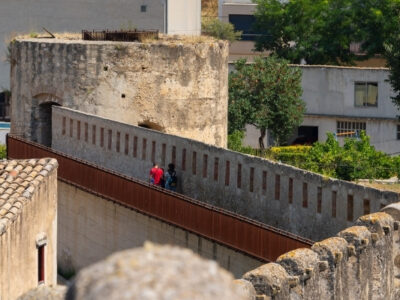
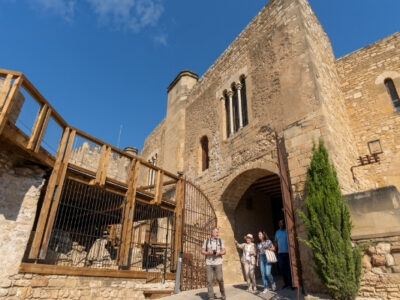
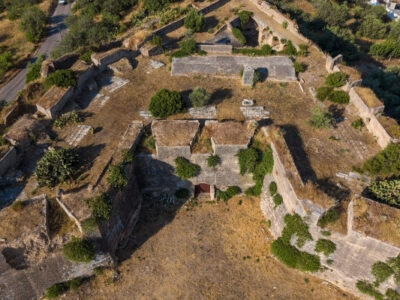
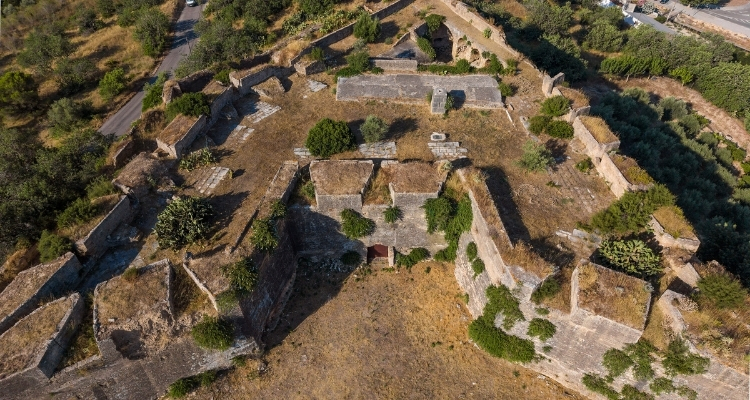
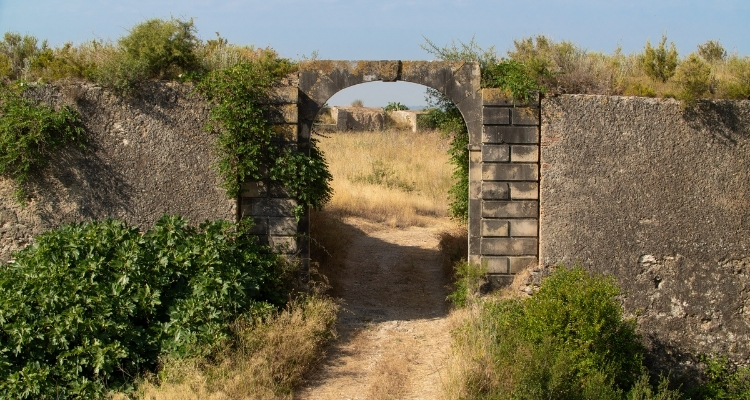
The fortification consists of two large enclosures. The first contains spaces associated with the military operation of the fort, including the gunpowder store, cistern and courtyard. From this area, soldiers could access the defensive platform, which was equipped with numerous gun embrasures.
Beyond the moat lies the second enclosure, organised around a large parade ground. In addition, the defensive system includes demi-bastions, a hornwork, a ravelin and a covered way.
These structures provide a clear insight into the evolution of military architecture following the widespread adoption of artillery. The moats and advanced defensive works represented a very different approach from that of traditional medieval walls.
A fortification overlooking Remolins
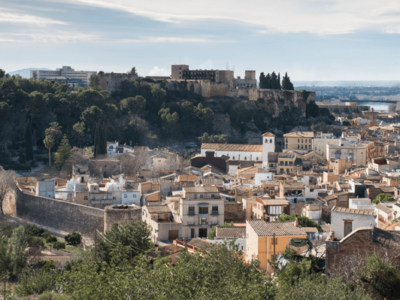
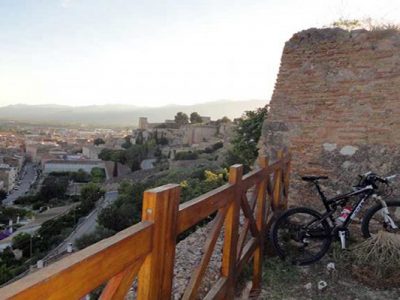
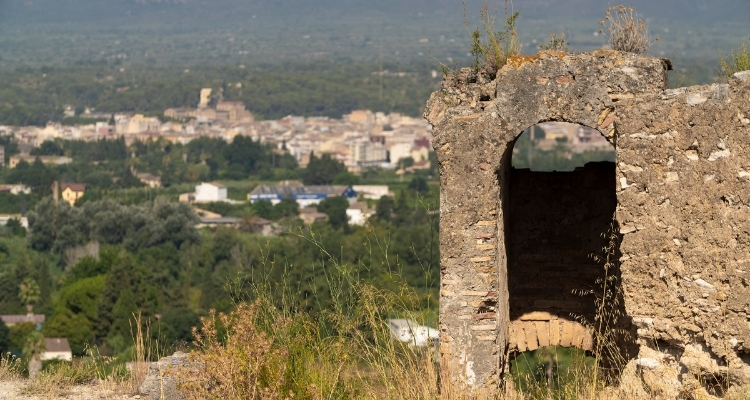
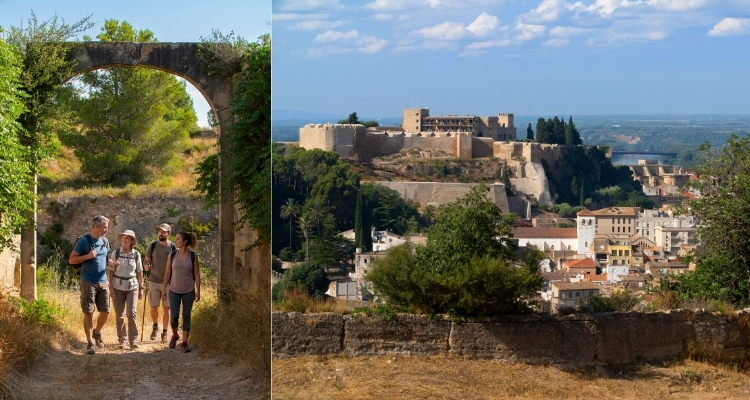
The fort’s elevated position offers a distinctive perspective over northern Tortosa. From its surroundings, visitors can see Remolins, including the historic Jewish Quarter, and appreciate the commanding position of La Suda Castle above the historic centre.
The relationship between the city, its fortifications and the surrounding landscape can also be explored through historic representations of Tortosa. One of the best known is the 16th-century panorama by Anton van den Wyngaerde. Although it predates the present fort, it provides an exceptional record for understanding the historical configuration of this part of the city.
From military fortification to Tortosa heritage
After losing its military function, Tenasses Fort went through several different stages. In 1971, a group of Tortosa residents acquired the fortification with the aim of preserving it. They also hoped that it could eventually become part of the city’s public heritage.
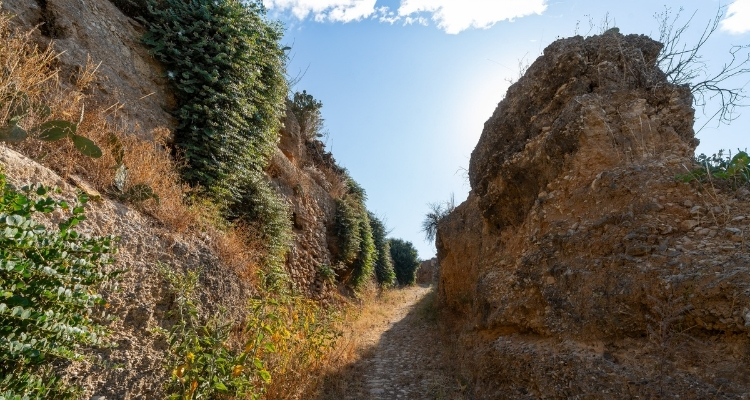
This objective was achieved in 2014, when the site became part of the heritage of Tortosa City Council. Since then, restoration and consolidation work has contributed to the preservation of the complex. In addition, significant structures such as the historic covered way have been recovered and enhanced.
The preservation of Tenasses Fort would not have been possible without the initiative of those who helped protect it over several decades. For this reason, Tortosa City Council acknowledges the contribution of the families and individuals who made the preservation and subsequent recovery of the fortification possible:
- Campo Güerri family
- José María Chavarría Ferreres
- José Luis Delsors Pujol
- Joan Forés Sinca
- Joaquín Frances Tafalla
- Homedes Grego family
- Francesc Xavier Martí Ferré
- Joan Josep Martí Ferré
Thanks to their commitment to its preservation and its subsequent incorporation into municipal heritage, Tenasses Fort is now a key part of Tortosa’s fortified heritage.
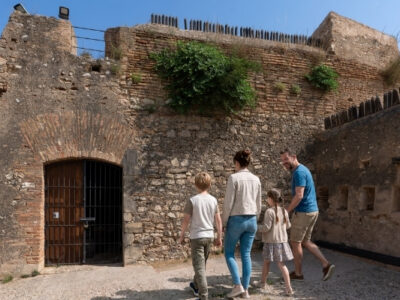
Overall, exploring the fort provides an opportunity to discover moats, bastions and other structures designed to defend the city. At the same time, the story of its recovery highlights the important role of local initiatives in preserving Tortosa’s heritage.