Description
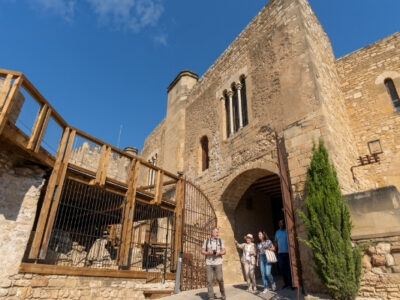
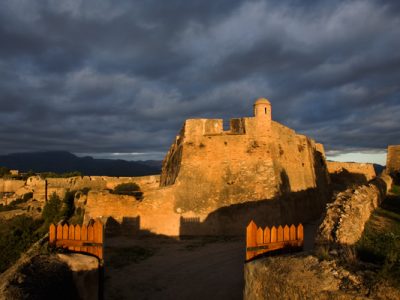
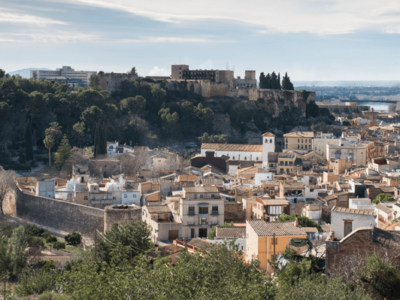
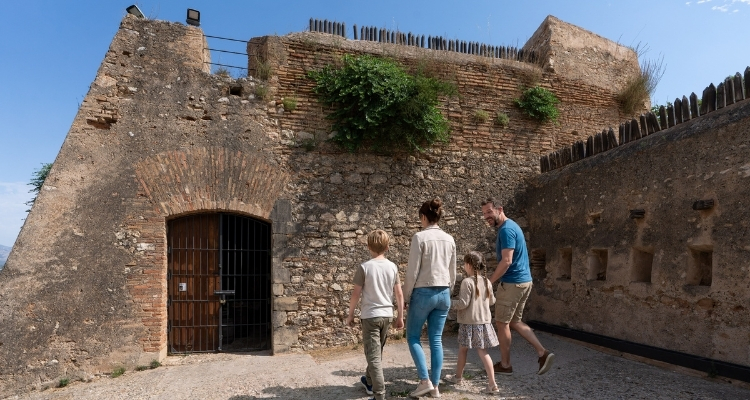
The Saint John’s Advanced Fortifications are one of Tortosa’s most impressive fortified complexes and a key part of the defensive system associated with Suda Castle. Their bastions, ditches, walls and other military structures reveal how the city’s defences were adapted to the development of artillery during the 17th and 18th centuries.
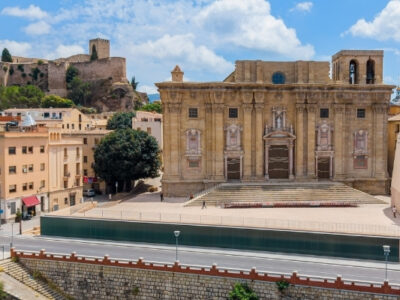
Together with Suda Castle and the city walls, the fortifications were chosen by popular vote as one of the 7 Treasures of Tortosa’s Cultural Heritage when the city was designated Capital of Catalan Culture in 2021.
Saint John’s Advanced Fortifications: Tortosa’s great early modern fortress
The name refers to their function as an advanced defensive system protecting Suda Castle, historically also known as Saint John’s Castle. The complex took shape mainly during the 17th and 18th centuries, when new military techniques and the widespread use of artillery required the transformation of earlier medieval defences.
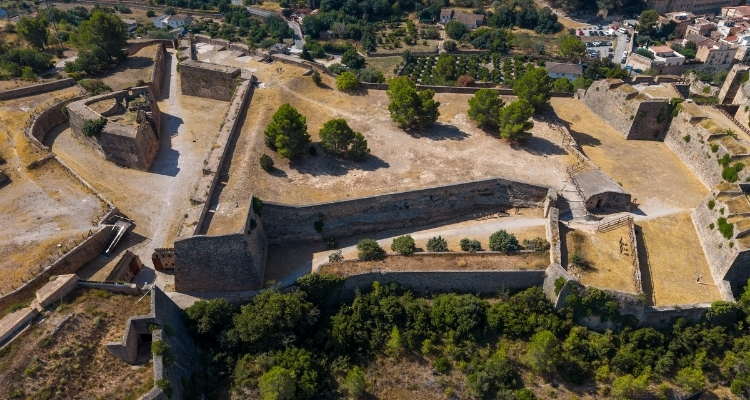
The result is an extensive military complex formed by several successive fortified enclosures. Bastions, ditches and sloping walls made it more difficult for enemy troops to approach and protected one of the city’s most strategically important positions.
Three defensive enclosures
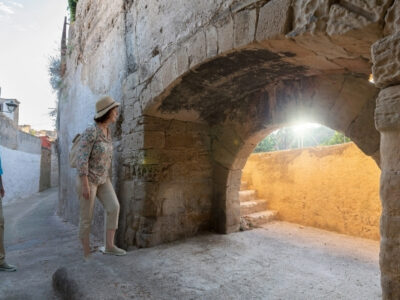
The Saint John’s Advanced Fortifications are organised into three main defensive enclosures. The first, next to the fortress, preserves the oldest walls in its southern sector. This area incorporates the medieval Bassa Gate and the passage connecting the neighbourhoods of Remolins and El Rastre.
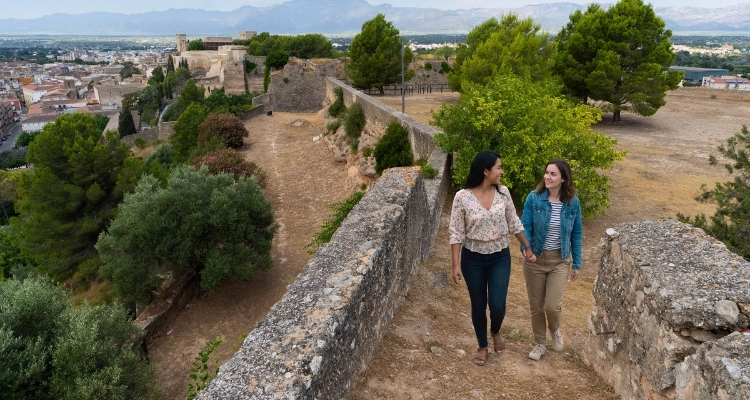
The second enclosure, known as the first advanced fortification, extends from the glacis to the northern and southern bastions, protected by barbicans. From the northern sector, visitors can see its connection with the 14th-century city wall and its wall walk. This defensive section descends towards the Torre Grossa, also known as Célio Tower.
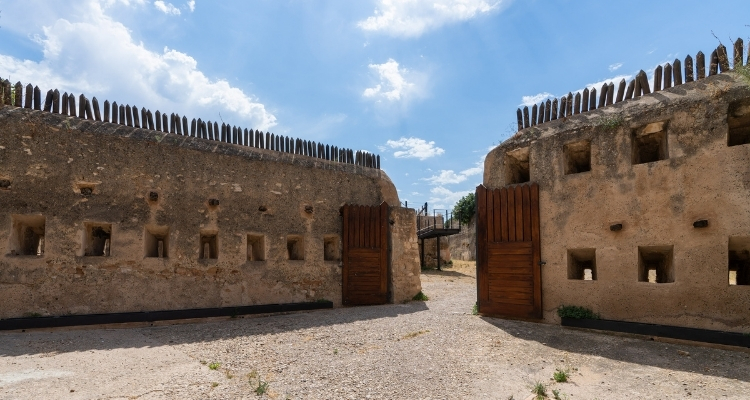
Finally, the third enclosure, known as the second advanced fortification, is organised around a central parade ground. The surrounding barbicans offer extensive views over the Rastre and Célio ravines. Its location clearly reveals the strategic importance of this position for the control and defence of Tortosa.
A journey through military architecture
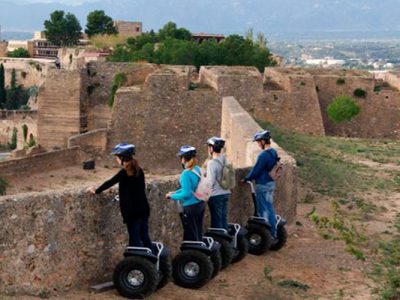
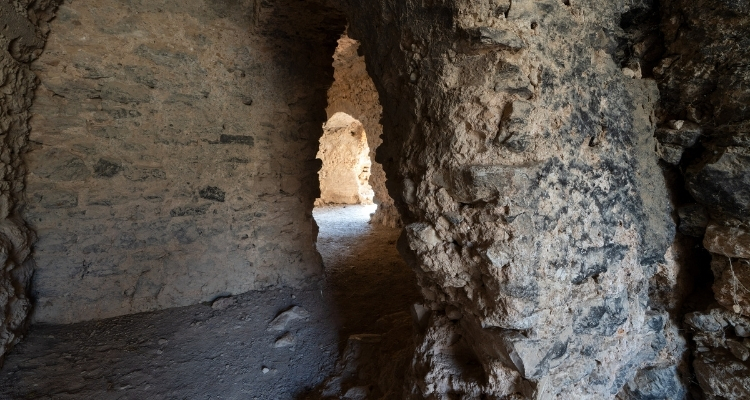
Exploring the Saint John’s Advanced Fortifications allows visitors to identify many characteristic features of early modern military architecture. Along the route are parade grounds, bastions, ditches, counter-walls, hornworks, powder magazines, gun embrasures, covered ways, sloping walls and ravelins.
These structures show how a fortification adapted to artillery was designed to operate. At the same time, they help explain the successive transformations of Tortosa’s defensive system and the city’s importance as a fortified stronghold over the centuries.
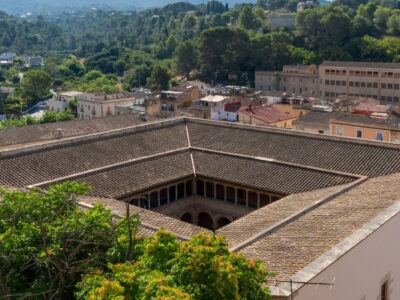
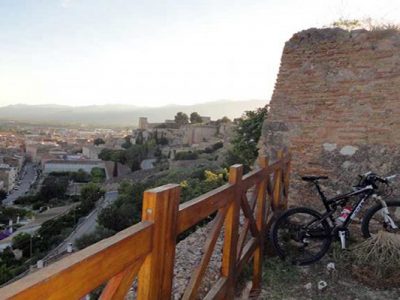
The route also provides different perspectives over the fortifications and their surroundings. The relationship between the advanced defences, Suda Castle, the medieval walls and the ravines illustrates how the terrain shaped the city’s defensive system.
An interpreted heritage site
Today, the Saint John’s Advanced Fortifications are an interpreted heritage site where visitors can discover the evolution of Tortosa’s defensive system. The visit combines the surviving historic structures with a range of interpretive resources.
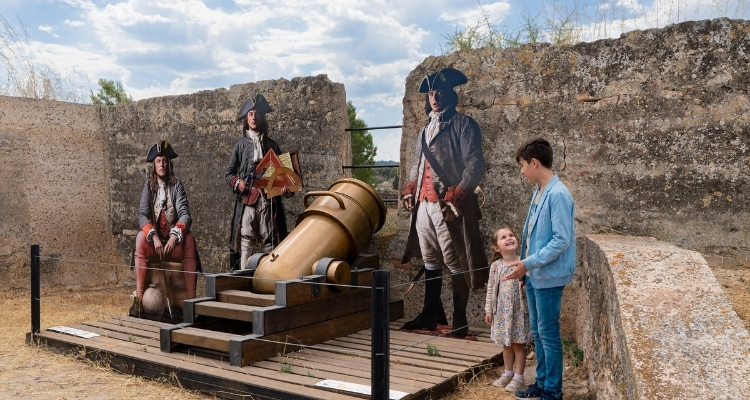
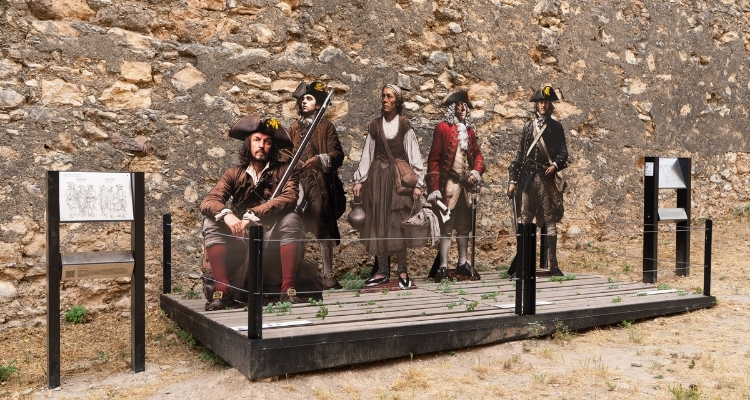
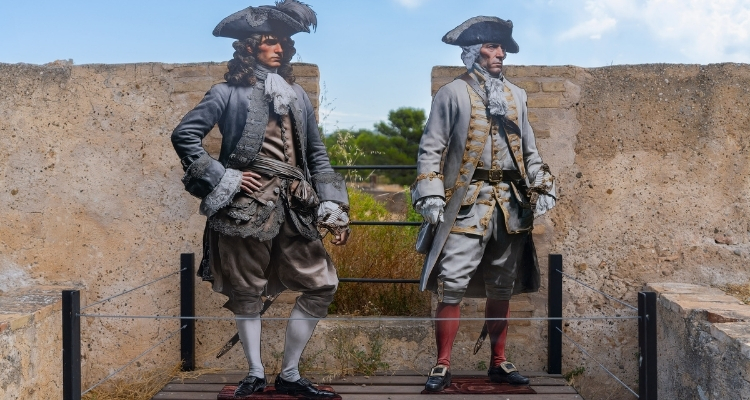
One of the highlights is a large three-dimensional model of the fortified complex, which helps visitors understand the scale and organisation of the defences. There are also interpretation panels, historical recreations featuring figures of soldiers and replicas of artillery pieces.
In addition, audiovisual content accessible via QR codes provides further insight into the history of the fortifications. These resources help visitors understand how Tortosa’s defences evolved and the strategic role played by the city between the 17th and 19th centuries.
Visiting the Saint John’s Advanced Fortifications offers the opportunity to explore an essential part of Tortosa’s military history. The monumental scale of the defences, the interpretive resources and the views over the surrounding landscape make this one of the city’s most distinctive heritage sites.