Description
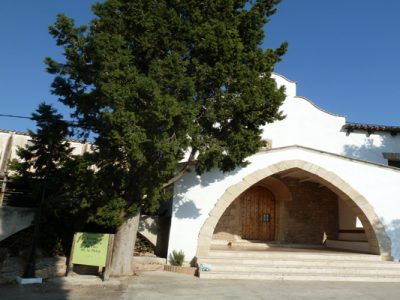
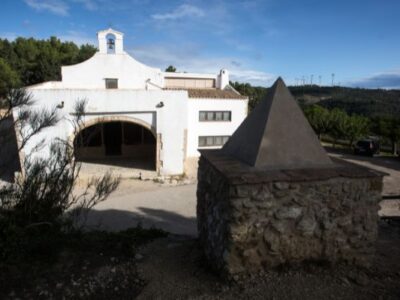
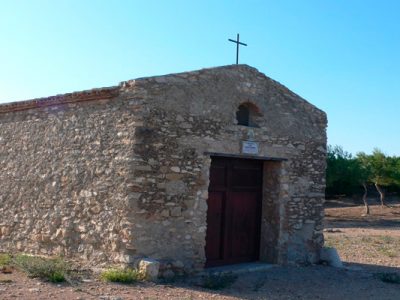
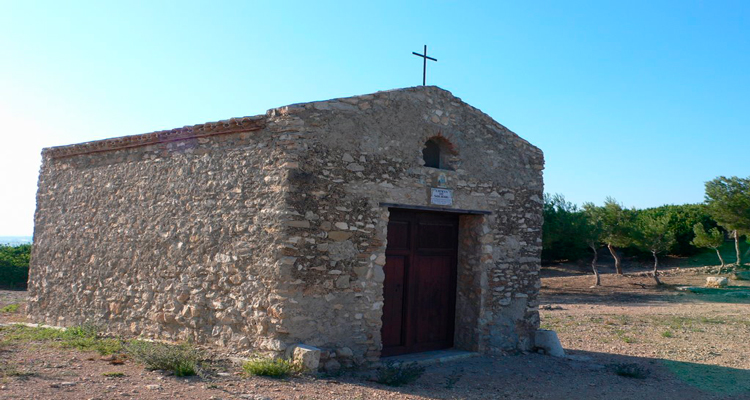
The Solicrú Hermitage is a small chapel set in the rural surroundings of Campredó, within the municipality of Tortosa. It stands at Mas de la Missa, on private property. Its history is closely connected with Our Lady of Solicrú, ancient livestock routes and the popular traditions of this part of the area.
The hermitage stands beside the Lligallo de les Veles, an old livestock route. Its location recalls the importance of these traditional paths for moving livestock and connecting different rural areas over the centuries.
Solicrú Hermitage and its origins
The exact date when the original hermitage was built is unknown. However, it is considered one of the oldest hermitages in the municipality of Tortosa. The date of its destruction is also uncertain. Traditionally, it has been suggested that this may have occurred during the Peninsular War, in the early 19th century.
After a long period in ruins, the Garcia Ballester family, owners of Mas de la Missa, promoted its restoration. The work was completed in 2001.
Near the entrance, ceramic tiles commemorate the restoration and reproduce the former image of the Virgin. The recovery of the building therefore helped preserve a place closely connected with the rural memory of the area.
Our Lady of Solicrú
Our Lady of Solicrú was traditionally the focus of considerable devotion among people living in the surrounding rural area and nearby settlements. The present wooden image has Romanesque-inspired features. The pedestal bears the emblem of the Knights Templar, recalling the Templar past of this territory.
Popular religious tradition also attributed to the Virgin the power to protect people against tertian fevers, which once affected these low-lying lands. This belief illustrates the protective role traditionally associated with certain Marian devotions in rural communities.
The goigs and the traditions of Solicrú
The goigs of Our Lady of Solicrú are an important part of the hermitage’s intangible heritage. These traditional devotional songs reflect the longstanding veneration of the Virgin and were republished in 2006.
The illustration associated with the goigs depicts the Virgin seated with the Child in her arms. At her feet are a shepherd and an ox, figures from the traditional story about the discovery of the image.
Therefore, the goigs have significance beyond their religious purpose. They also preserve the memory of the legends, beliefs and popular traditions associated with Solicrú.
Solicrú Day
The restoration of the hermitage also led to the revival of celebrations associated with the site. Since 2002, Solicrú Day has provided an opportunity for the local community to gather and maintain its connection with the hermitage.
A religious service is held inside the chapel as part of the celebration. This is a special occasion, as the hermitage does not have regular visiting hours.
Food is also part of the tradition. Among the characteristic dishes of the day are borraines, a traditional preparation closely associated with this gathering.
Thus, devotion, gastronomy and community come together in a celebration that helps keep Solicrú’s intangible heritage alive.
Walking and cycling routes around Solicrú
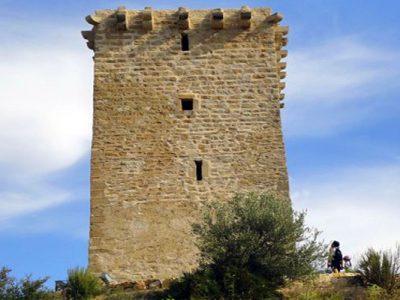
The surroundings of the Solicrú Hermitage offer opportunities to combine heritage and landscape. A walking route links the Font de Quinto Tower, Solicrú and Casa del Prat. Along the way, visitors can enjoy panoramic views towards the Ebro Delta and discover other heritage sites around Campredó.
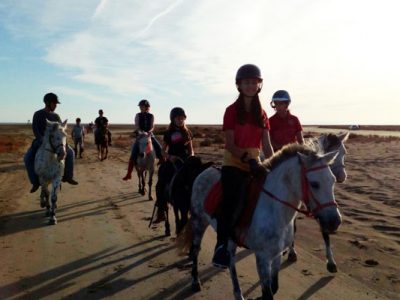
The hermitage also forms part of the “Towers and Trails” cycling route. This circular itinerary covers approximately 40 km, starting and finishing in Tortosa. It passes through Campredó, the Font de Quinto Tower and Casa del Prat before reaching the Solicrú area.
In addition, these routes place the hermitage within a broader cultural landscape. Rural tracks, historic towers, traditional farmhouses and agricultural land reflect the transformation of this part of Tortosa over time.
A hermitage on private property
The Solicrú Hermitage is located at Mas de la Missa, within private property. It should therefore not be considered a freely accessible monument or a site with regular opening hours.
The interior opens on specific occasions, particularly for Solicrú Day. At other times, visitors should respect the private nature of the property and should not expect access to the chapel.
Finally, the heritage of the Solicrú Hermitage extends beyond the building itself. The Virgin, the goigs, Solicrú Day and the borraines keep its popular traditions alive. At the same time, ancient livestock routes and present-day trails connect the site with the rural landscape and historic heritage of Campredó.