Description
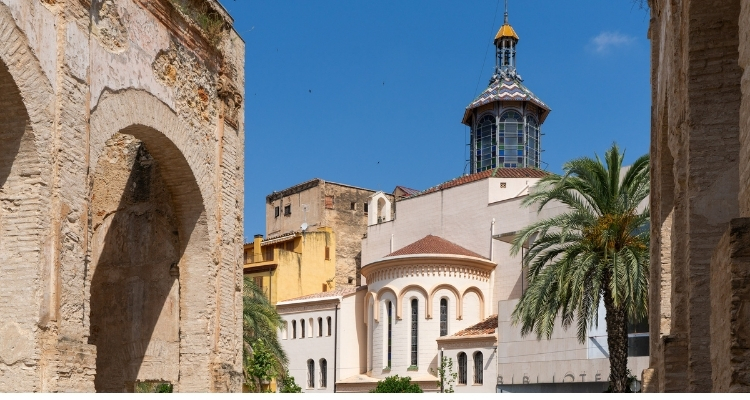
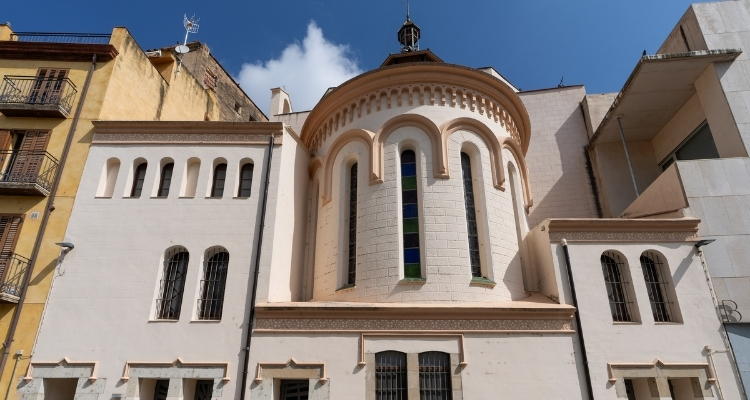
In the heart of Tortosa's historic centre, just a short walk from the Portal del Romeu, the Marcel·lí Domingo Library and some of the city's oldest streets, stands one of Tortosa's most distinctive churches. The Church of the Reparació combines Modernist architecture with Neo-Gothic, Neo-Romanesque and Neo-Byzantine influences, creating a unique building that rewards a closer look.
Designed by architect Joan Abril i Guanyabens and inaugurated in 1903, the church was commissioned by the Brotherhood of Diocesan Worker Priests and its founder, Blessed Josep Domingo i Sol. It was built on the site of the former Baroque church of the Convent of La Mercè, reflecting the architectural renewal that transformed Tortosa at the turn of the 20th century.
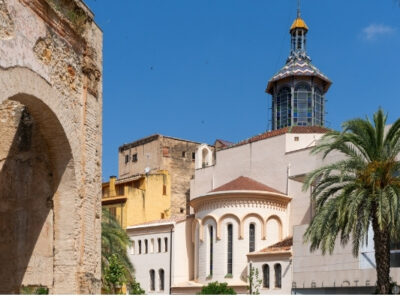
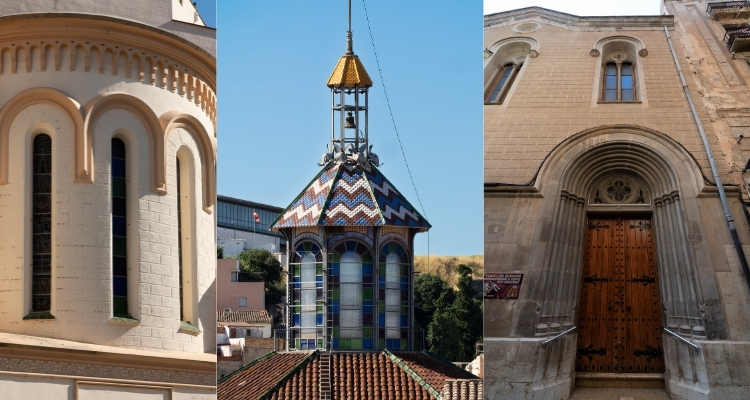
Before stepping inside, take a moment to admire its most recognisable feature: the dome covered with colourful glazed tiles, designed by architect Pau Monguió i Segura. Rising above the rooftops of the historic centre, it has become one of the city's most distinctive landmarks and can be seen from many viewpoints across Tortosa.
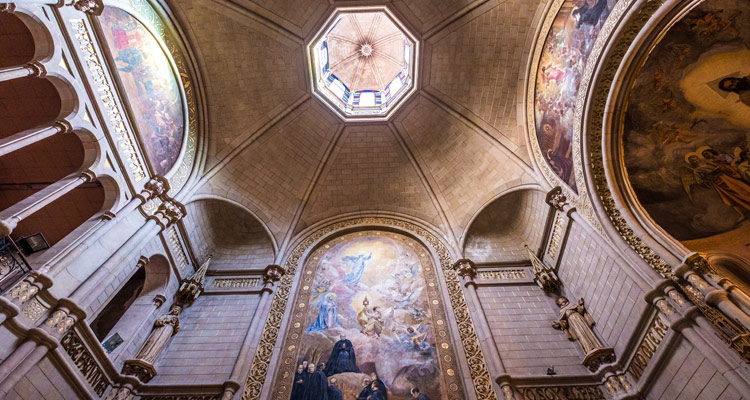
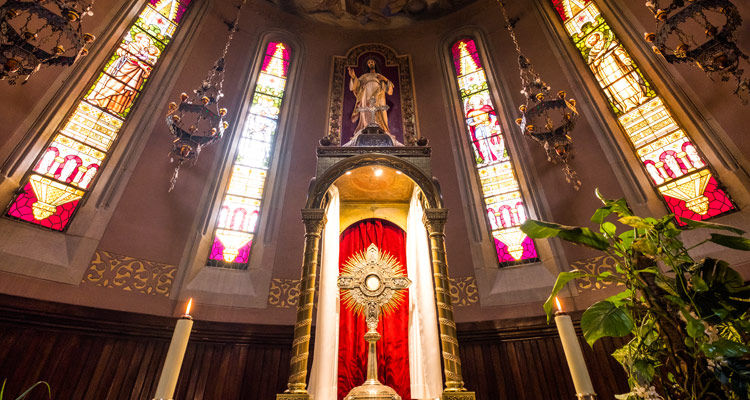
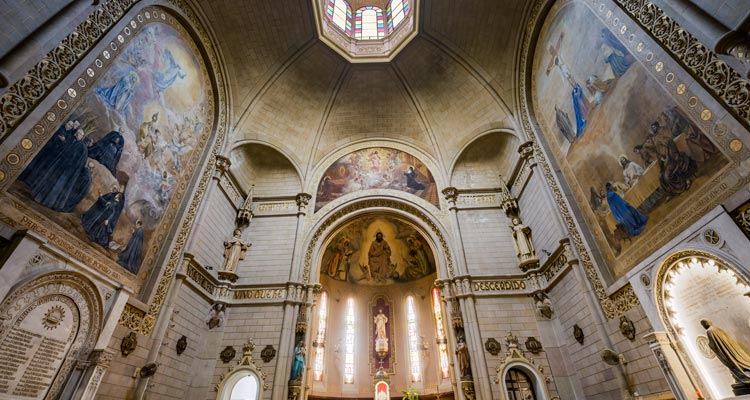
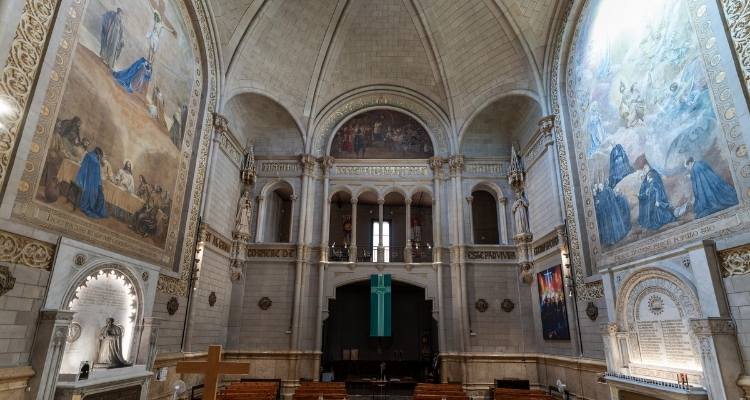
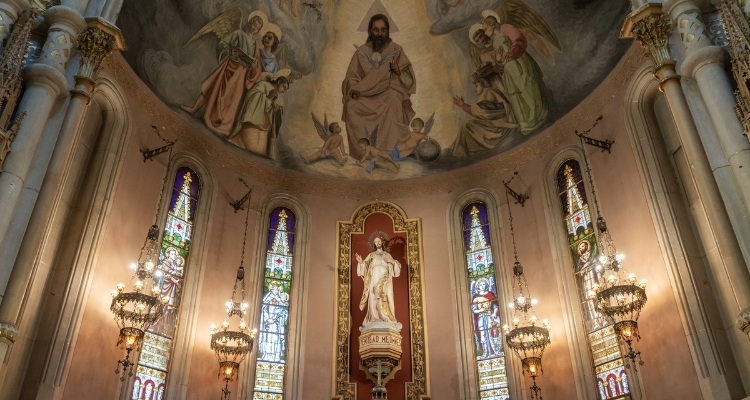
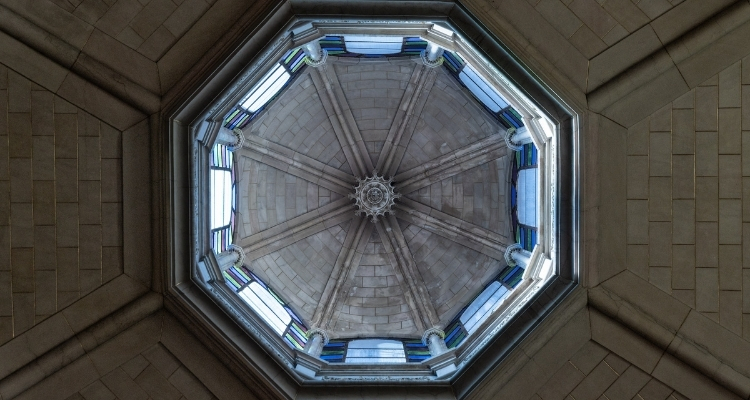
Inside, light becomes one of the building's defining features. The octagonal dome, crowned by an elegant lantern combining ceramic, ironwork and stained glass, fills the church with natural light. Decorative stucco, stained-glass windows, paintings in the presbytery and richly ornamented details invite visitors to pause and appreciate the craftsmanship throughout the building.
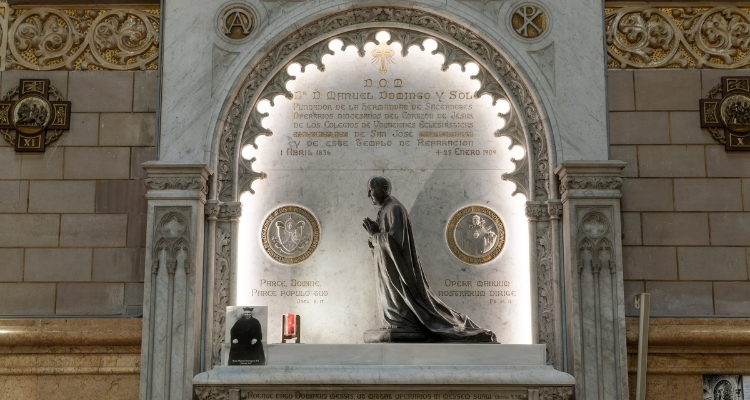
The church is also closely linked to Blessed Josep Domingo i Sol, whose life and work are remembered throughout the temple. Several spaces highlight his contribution to the Brotherhood of Diocesan Worker Priests and to the history of the church.
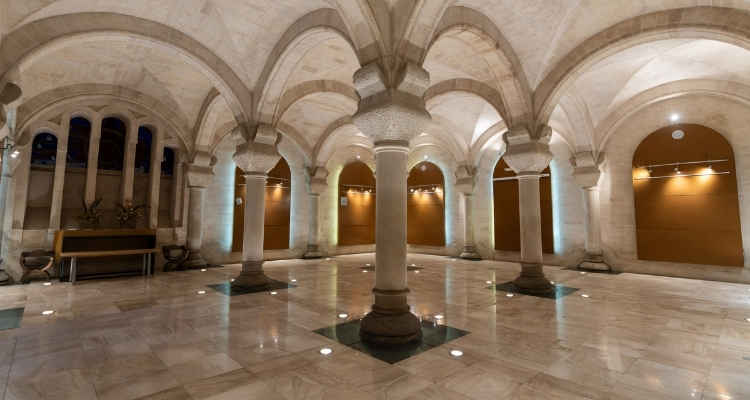
At the rear of the building, with access from Plaça dels Dolors, visitors can discover the Mossèn Sol Crypt, now used as a cultural venue following its restoration. During its construction, archaeologists uncovered significant remains of a Roman necropolis, including burials, sarcophagi and other funerary structures, revealing that this part of Tortosa has been occupied since Roman times.
The church also preserves the memory of one of the city's most difficult chapters. One of its tombs contains the remains of seventeen priests killed in 1936, serving as a place of remembrance within the church.
A visit to the Church of the Reparació offers far more than beautiful architecture. It brings together art, history, archaeology and spirituality in a single building, making it one of the most rewarding heritage sites to discover while exploring Tortosa's historic centre.