Description
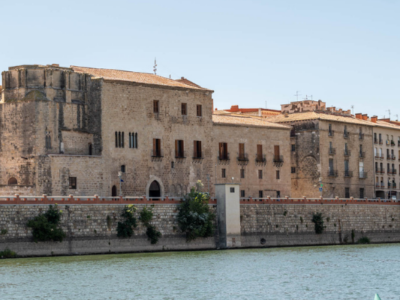
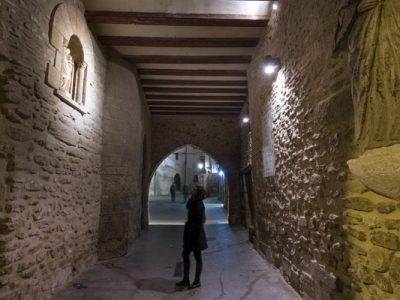
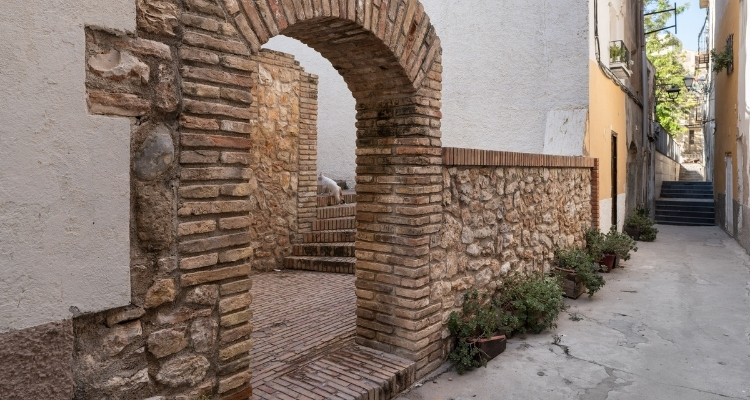
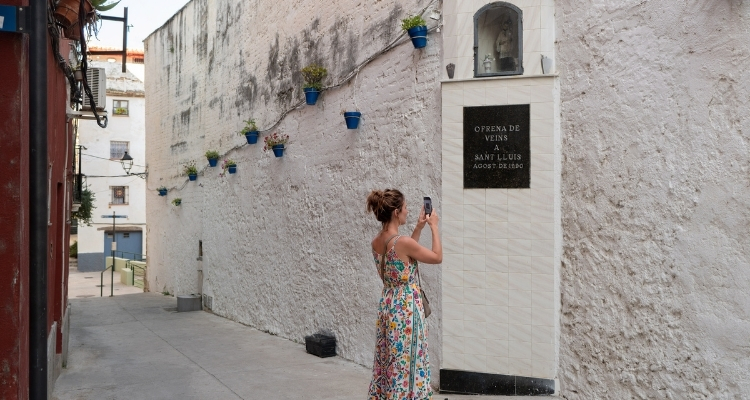
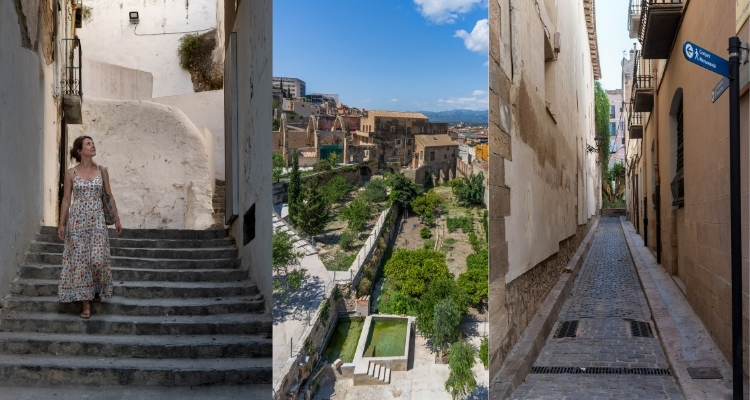
The Santa Clara Quarter and Monastery are among the most charming and distinctive areas of Tortosa's historic centre. Located on the northern slope of the Sitjar hill, between the hillside and Montcada Street—one of the city's main medieval thoroughfares—the quarter preserves a network of narrow, winding streets that follow the natural contours of the terrain, retaining the authentic character of medieval Tortosa.
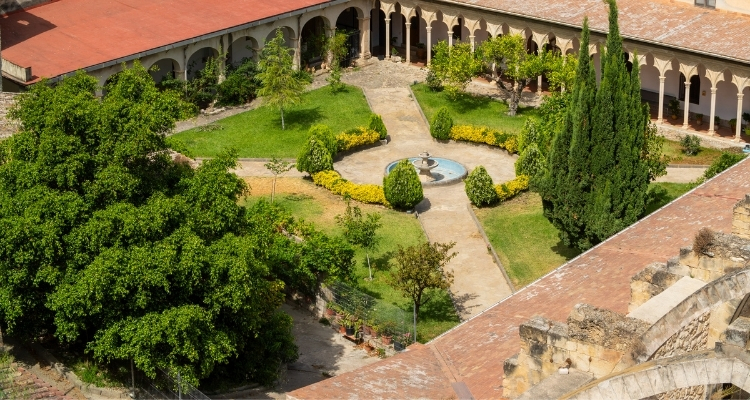
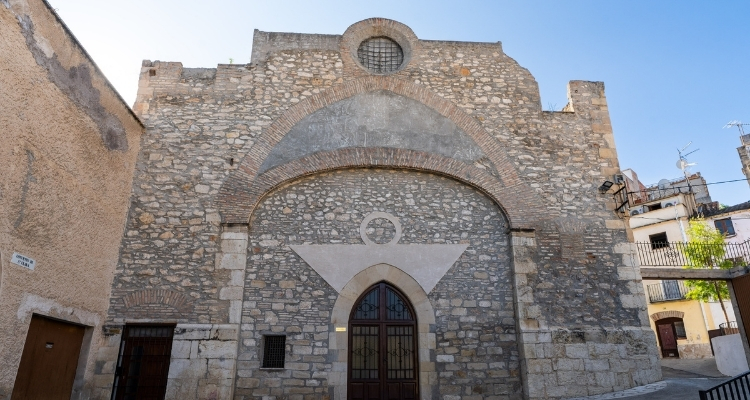
At the heart of this historic area stands the Monastery of Santa Clara, one of the oldest convents of the Order of Saint Clare on the Iberian Peninsula. Its origins lie in the former Church of Saint Michael, built by the Knights Templar. The monastery still preserves the distinctive pointed arches of the original church, which were later incorporated into the convent's dormitory. These architectural remains can still be seen from several elevated viewpoints across the city.
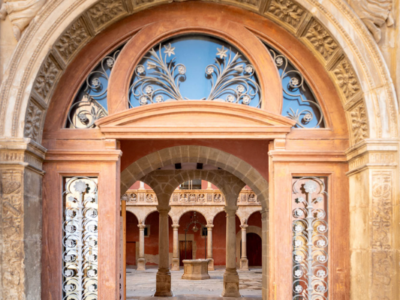
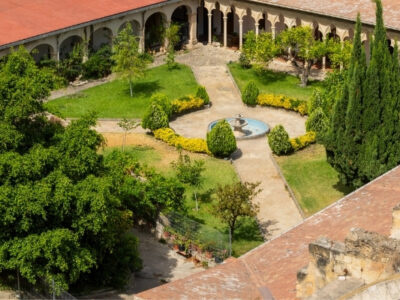
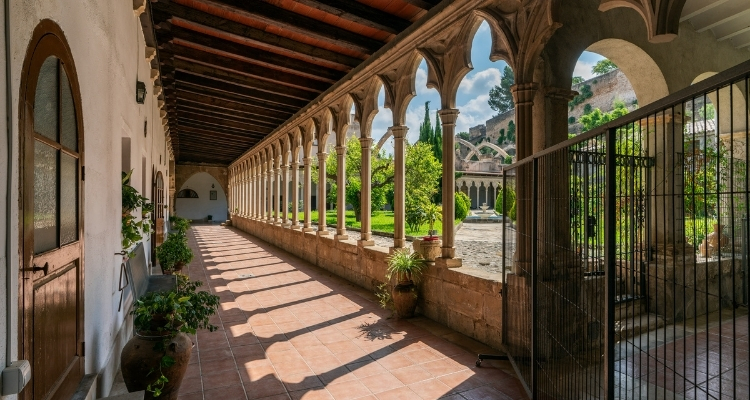
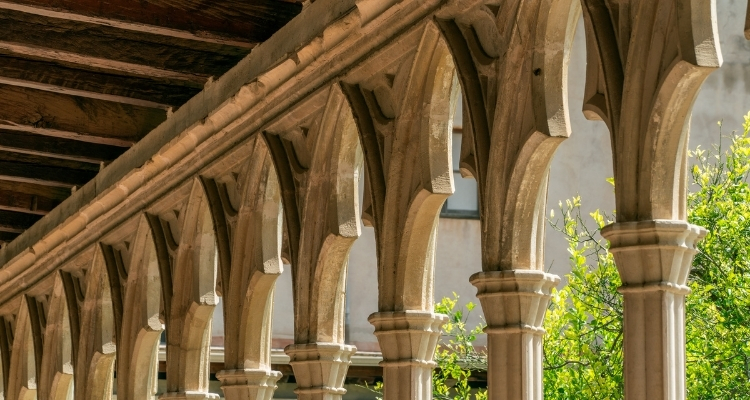
At the beginning of the 13th century, the complex was entrusted to the Poor Clares, who established their religious community here. The monastery is an outstanding example of Catalan Gothic religious architecture and is particularly renowned for its cloister, built at the end of the 13th century and considered one of the finest examples of Provençal Gothic in Catalonia.
The north and west wings of the original cloister have survived, featuring elegant trilobed arches supported by engaged columns with bifoliate bases—architectural elements that are exceptionally rare and virtually unique within Catalan Gothic architecture.
The monastery suffered extensive damage during the Spanish Civil War (1936–1939). Nevertheless, it still preserves many of its most valuable architectural features, offering visitors a remarkable insight into the historical, artistic and spiritual significance of a site that has been closely linked to the history of Tortosa for more than eight centuries.