Description
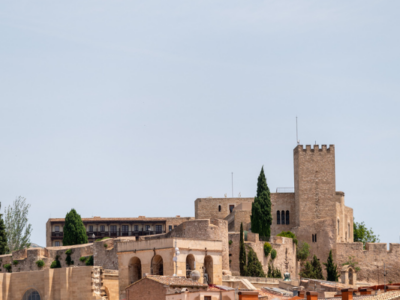
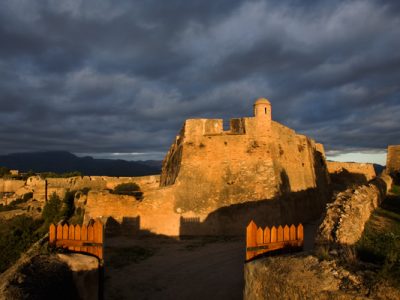
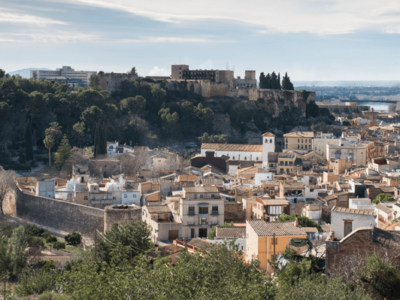
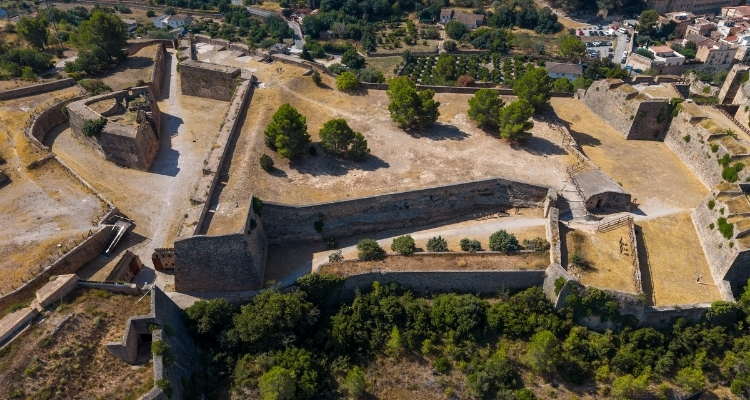
Saint John's Outworks are one of the most impressive fortified complexes in Tortosa and form part of the defensive system of the Castle of the Suda. Together with the castle and the city walls, they were chosen by public vote as one of the 7 Treasures of Tortosa's Cultural Heritage during the city's year as Catalan Capital of Culture 2021.
Their name comes from the advanced defensive works built to reinforce the Castle of the Suda, also known as Saint John's Castle. Constructed between the 17th and 18th centuries, this military complex consists of several interconnected defensive enclosures designed to strengthen the city's protection against the development of artillery.
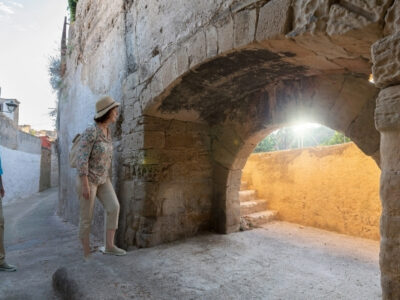
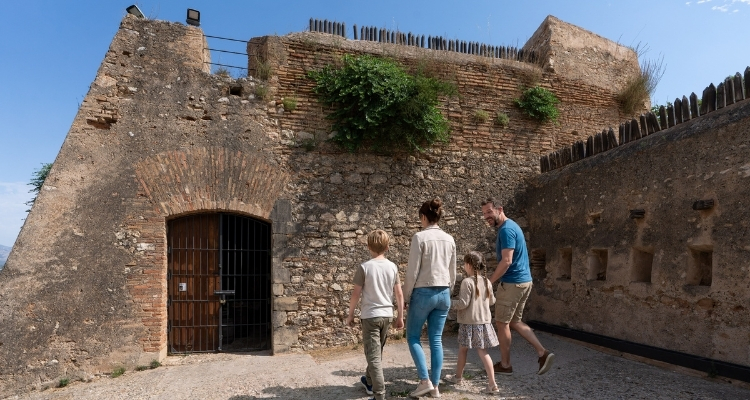
The first enclosure, located next to the castle, preserves the oldest walls on its southern side. It includes the medieval Portal de la Bassa and the area linking the neighbourhoods of Remolins and El Rastre.
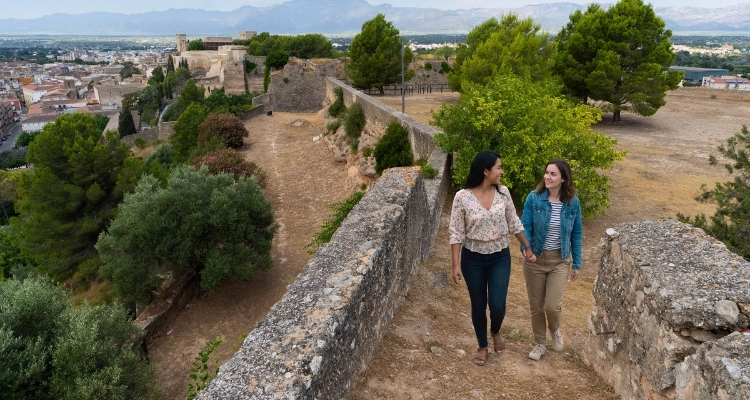
The second enclosure, known as the First Outwork, extends from the glacis to the northern and southern bastions, protected by barbicans. On the northern side, visitors can see the connection with the 14th-century city wall and its wall walk, which descends to the Torre Grossa, also known as the Celio Tower.
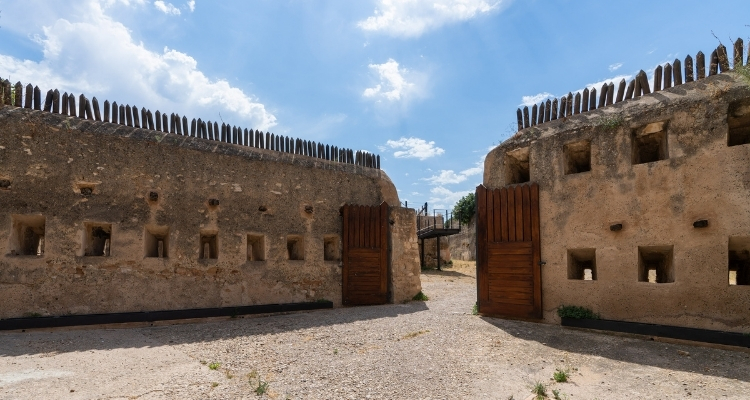
The third enclosure, or Second Outwork, is centred around a parade ground flanked by barbicans overlooking the Rastre and Celio ravines, highlighting the strategic importance of this defensive position.
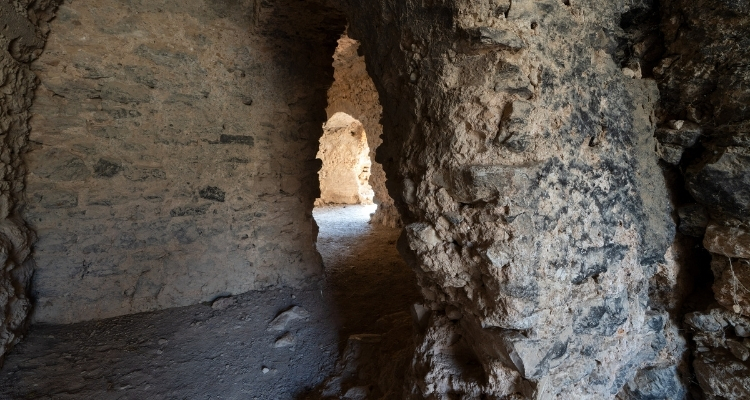
Throughout the visit, you can discover many characteristic features of early modern military architecture, including parade grounds, bastions, moats, counterwalls, hornworks, powder magazines, embrasures, covered ways, battered walls and a ravelin. Together, these structures illustrate the key role Tortosa played as one of the most important fortified cities in the region.
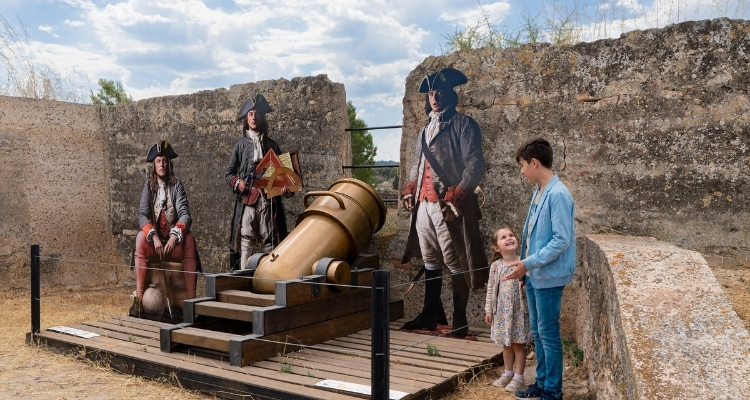
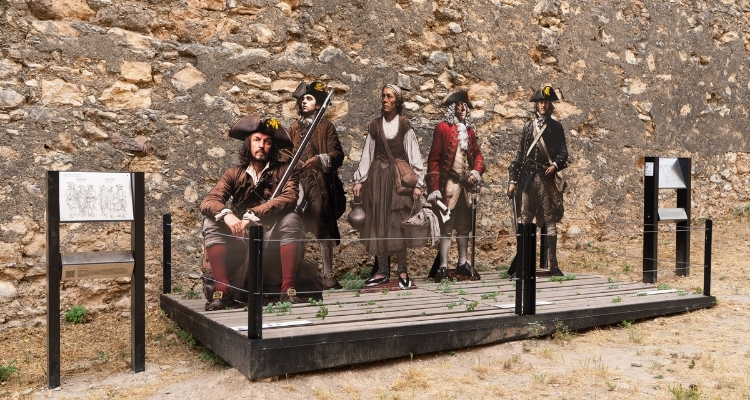
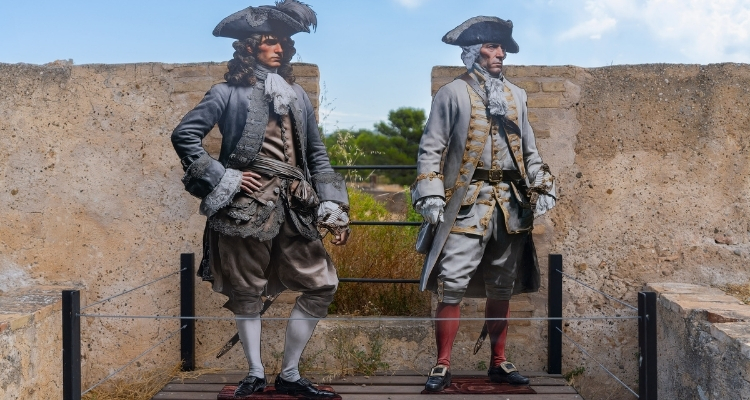
Today, Saint John's Outworks are a fully interpreted heritage site, allowing visitors to explore the evolution of Tortosa's defensive system. The visit includes a large three-dimensional model of the fortifications, interpretive panels, life-size recreations of soldiers, replicas of artillery pieces and audiovisual content accessible through QR codes, helping visitors understand the development of the fortifications and Tortosa's strategic importance between the 17th and 19th centuries.