Description
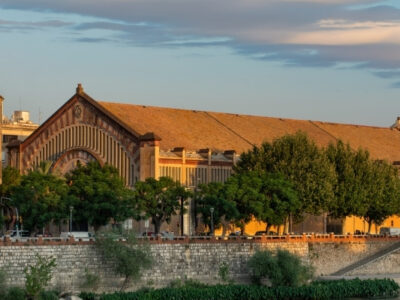
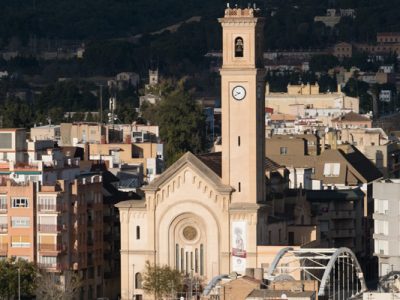
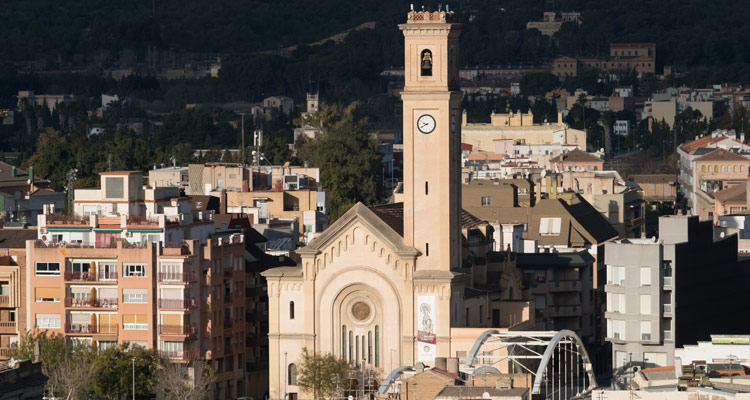
Roser Church Tortosa is one of the most recognisable buildings along the city’s riverfront. Located in the Ferreries district, beside the State Bridge, its distinctive bell tower stands out in views of Tortosa from the River Ebro. Its Neo-Romanesque architecture also gives the church a distinctive character among the city’s religious buildings.
Roser Church Tortosa: Neo-Romanesque architecture in Ferreries
The church was built between 1911 and 1914 to a design by architect Joan Abril i Guanyabens. It is one of Tortosa’s most notable examples of Neo-Romanesque architecture.
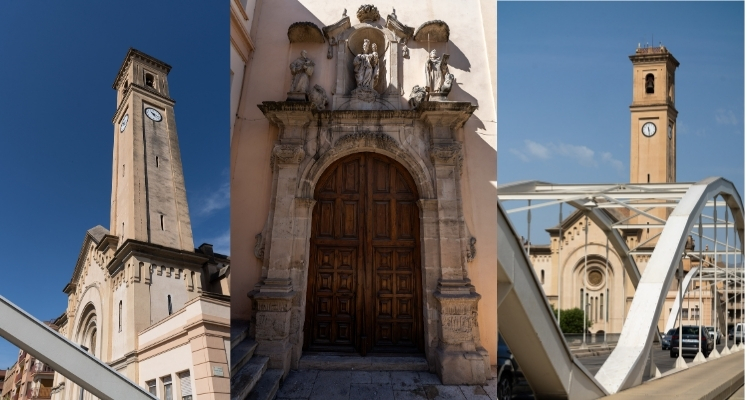
The exterior features semicircular arches, Lombard-inspired arcading and a square bell tower. The balanced composition of the façade also reflects the organisation of the interior.
In addition, the three entrances correspond to the church’s three-nave layout. The bell tower emphasises the verticality of the building and forms its main visual landmark.
A three-nave interior
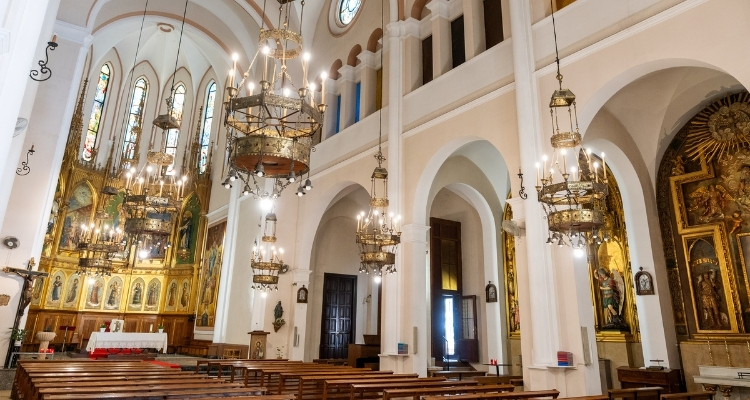
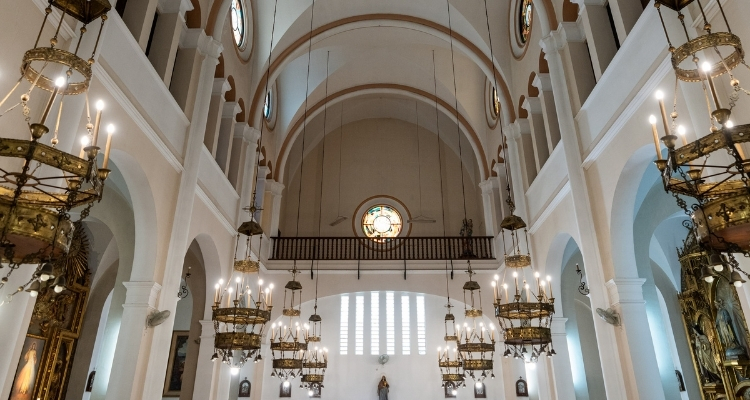
Inside, the church is divided into three naves, with the central nave rising higher than the two side aisles. This difference in height contributes to the spacious and bright character of the interior.
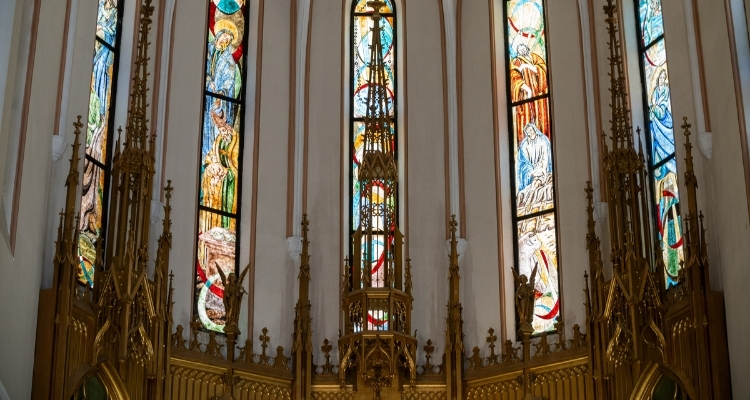
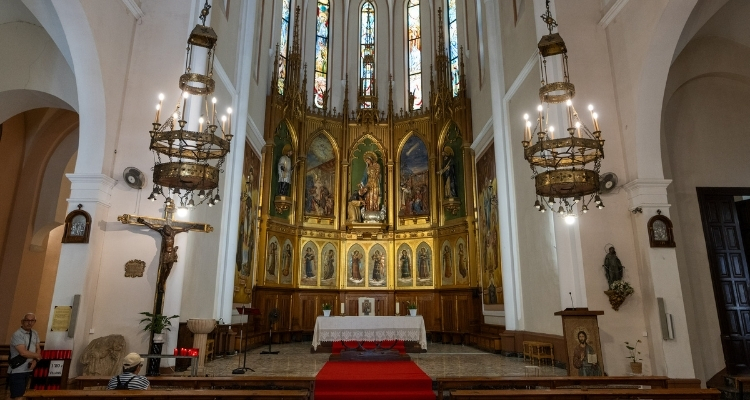
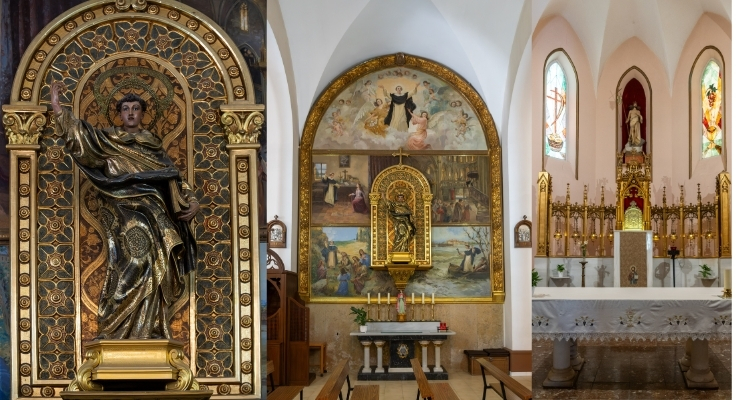
The church also contains Neo-Gothic altarpieces, both in the side aisles and in the sanctuary. Thus, the interior combines Historicist elements with a restrained and balanced architectural composition.
The church remains an active place of worship. Therefore, access to the interior depends on opening times and religious services, and it should not be considered a monument with permanent tourist visiting hours.
The Spanish Civil War and the transformation of the bell tower
During the Spanish Civil War, the building suffered extensive damage. Its subsequent reconstruction altered some aspects of the original design.
The most visible changes include the rendering of the walls and alterations to the bell tower. In fact, the original bell tower was taller and more slender than the one seen today. Despite these changes, it remains the church’s defining feature within the Ferreries skyline.
From the former church to the present building
The history of Roser Church is closely connected with the transformation of Tortosa’s riverfront. The former Roser Church, associated with the Dominicans, stood on the opposite bank of the Ebro, near the present-day access to the State Bridge.
In the early 20th century, the former building disappeared as part of the works that transformed this important crossing point over the river. Subsequently, the new church was built in the Ferreries district.
Today, Roser Church is an integral part of Tortosa’s riverside skyline. Viewing it from the State Bridge or the riverfront offers a particularly good perspective of its bell tower and relationship with the Ebro. Overall, it is an interesting stop for discovering both Tortosa’s early 20th-century religious architecture and the city’s urban development.