Description
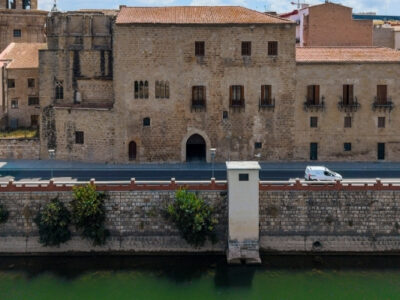
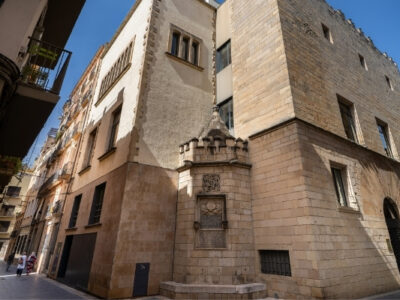
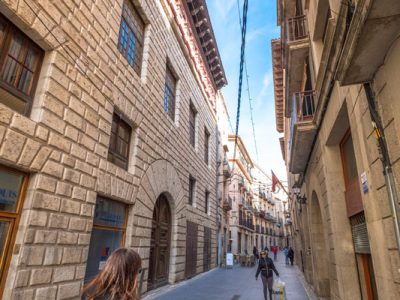
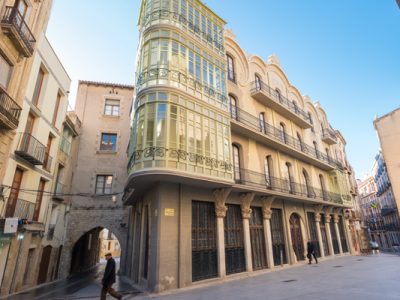
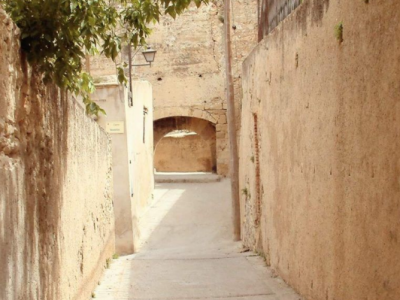
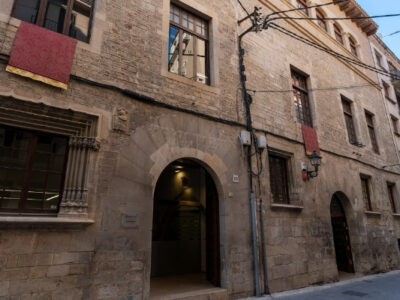
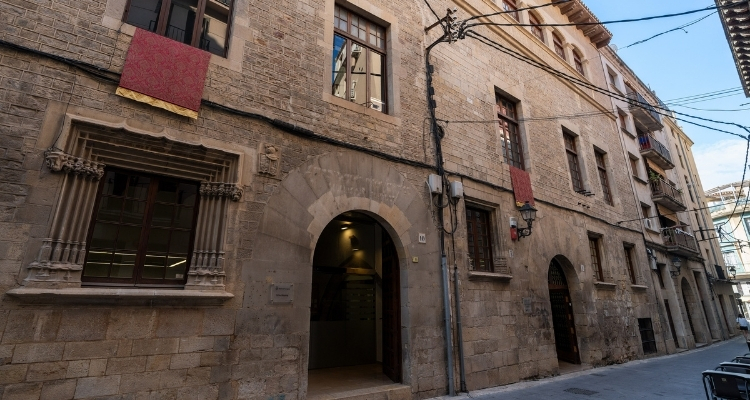
Walking along Rosa Street, one of the most historic streets in Tortosa's old town, you'll discover the Despuig and Oriol Palaces, two of the city's finest examples of Gothic civil architecture. Built in the 15th century and reunited as a single complex today, they reflect the wealth and influence of the noble families who shaped Tortosa's history.
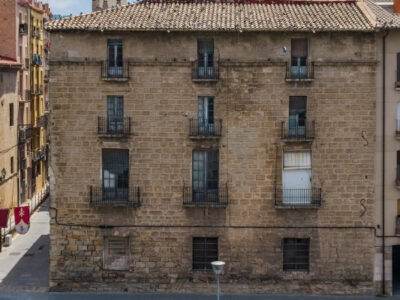
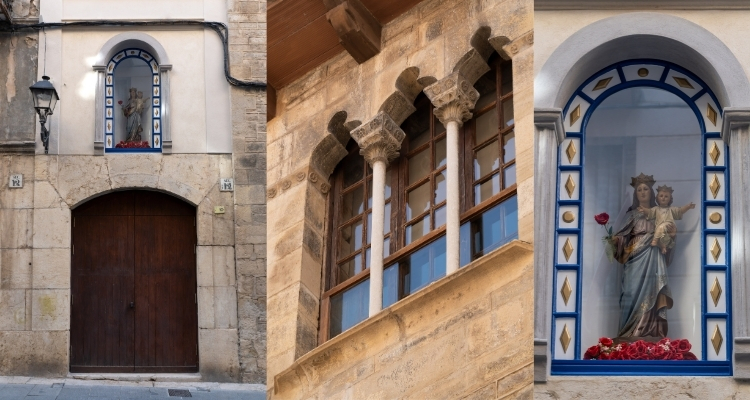
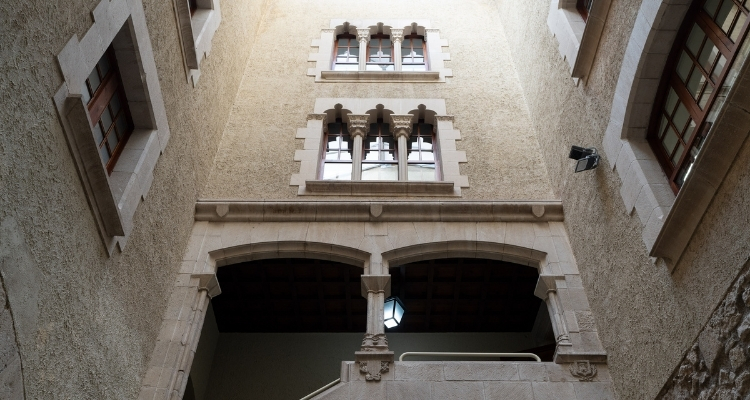
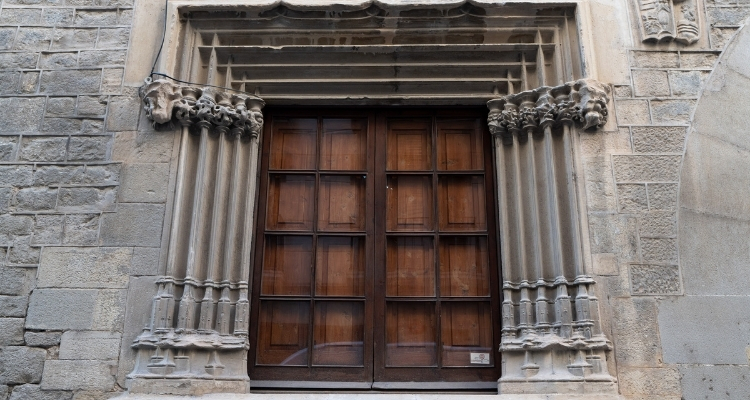
Their stone façades, arched doorways, Gothic windows and timber eaves preserve the elegance of the city's medieval urban palaces. Together, they form one of the architectural highlights of Rosa Street, one of the principal thoroughfares of medieval and Renaissance Tortosa.
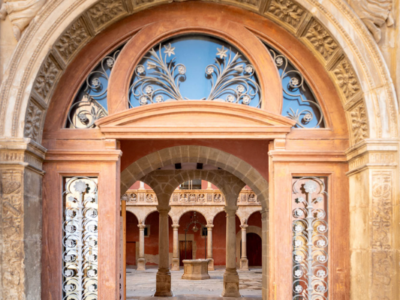
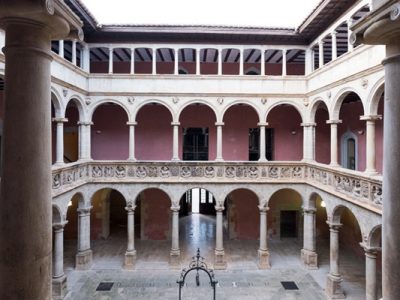
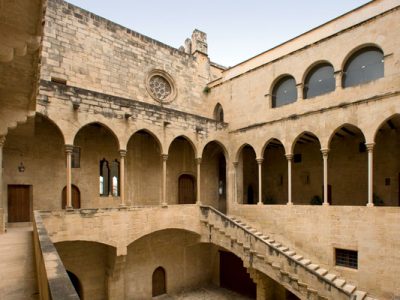
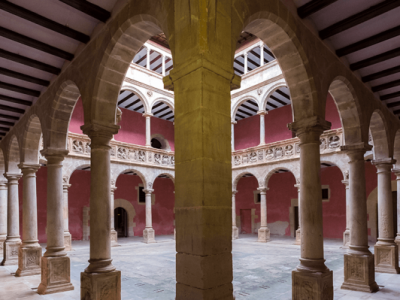
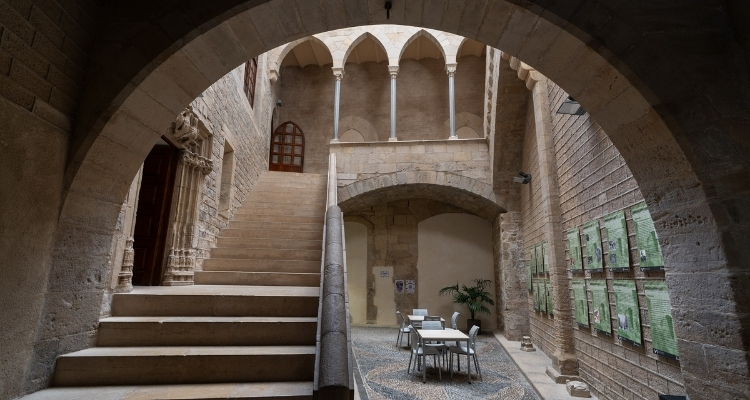
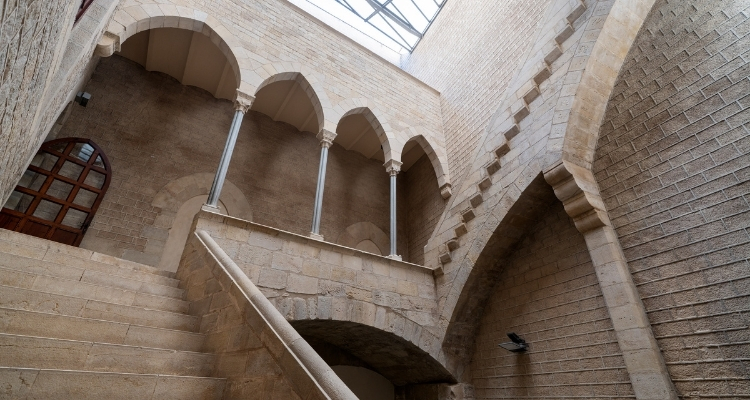
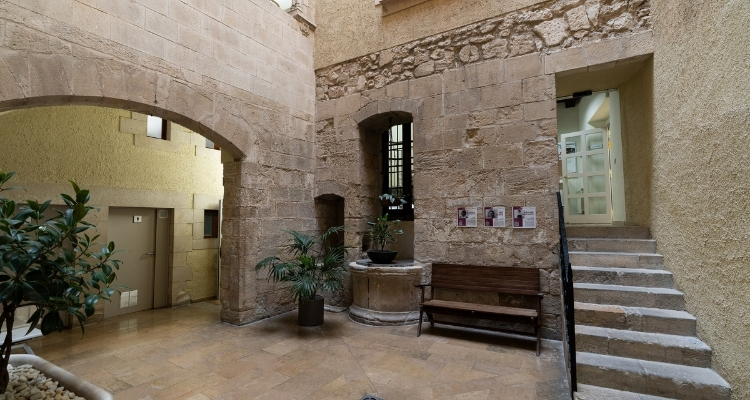
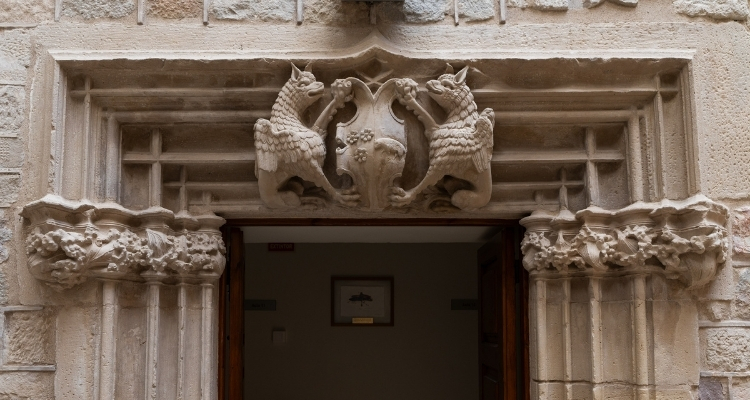
Visitors can access the interconnected inner courtyards, where some of the most distinctive features of Tortosa's Gothic civil architecture have been preserved. These include monumental stone staircases, elegant pointed-arch galleries supported by slender columns and carved heraldic shields that recall the history of the former noble families who lived here.
The Despuig Palace is closely associated with one of the most important figures in Catalan literature, Cristòfol Despuig. The palace provides the setting for the fifth dialogue of his celebrated work Los Col·loquis de la insigne ciutat de Tortosa (1557), regarded as one of the masterpieces of the Catalan Renaissance. Through its conversations, the book offers an exceptional portrait of Tortosa's society, politics and daily life during the 16th century.
The Oriol Palace, listed as a Local Cultural Heritage Site, shares the same medieval origins. For centuries, both buildings formed a single property, a relationship that can still be appreciated today through the connection between their courtyards and several surviving architectural features.
Today, the Despuig and Oriol Palaces are home to the Tarragona Provincial Council Music Conservatory, giving new life to this remarkable historic complex in the heart of Tortosa's old town.