Description
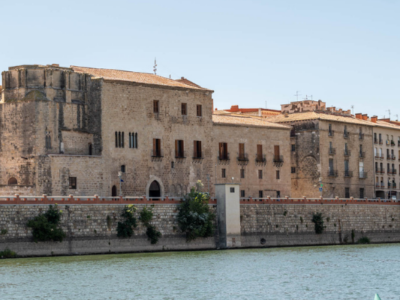
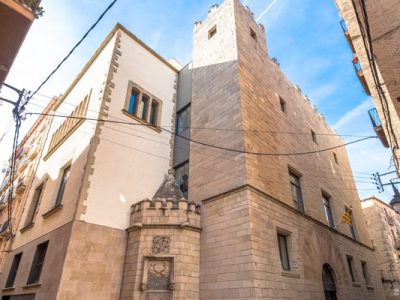
Walking along Tortosa's historic centre and riverside promenade, you'll come across one of the finest examples of Catalan Renaissance civic architecture: the Palace of the Generalitat Delegation. Standing beside the former site of the historic Bridge of Boats, this imposing building reflects Tortosa's strategic importance as a gateway to the city and a key control point for trade travelling along the River Ebro.
Built between 1576 and 1578, it was the first headquarters of the Generalitat (Diputació del General) to be constructed outside Barcelona, highlighting Tortosa's political and economic importance during the Early Modern period. Its location was carefully chosen: overlooking the city's main river crossing, it served as the administrative centre where taxes were collected on goods transported along the Ebro.
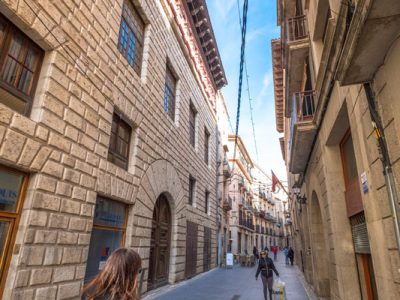
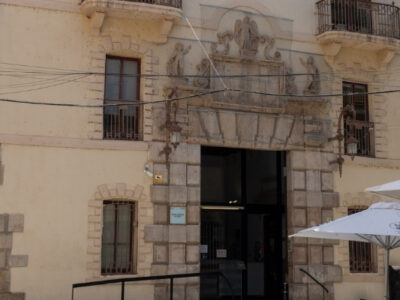
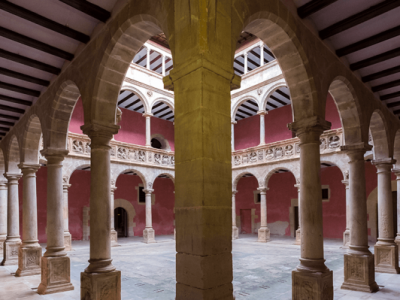
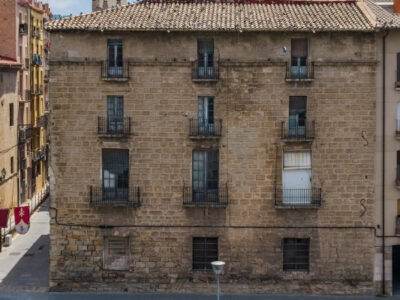
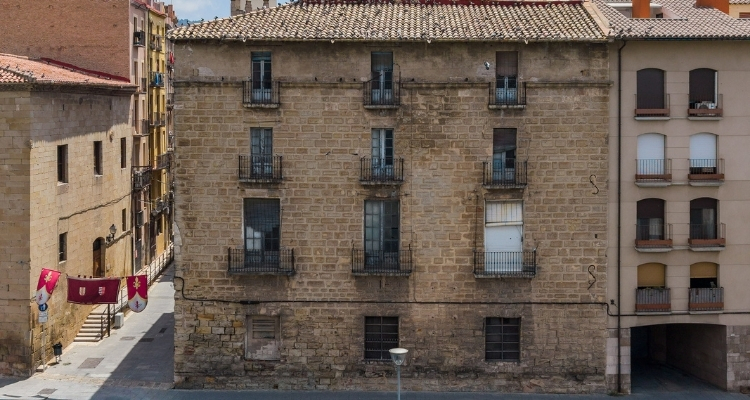
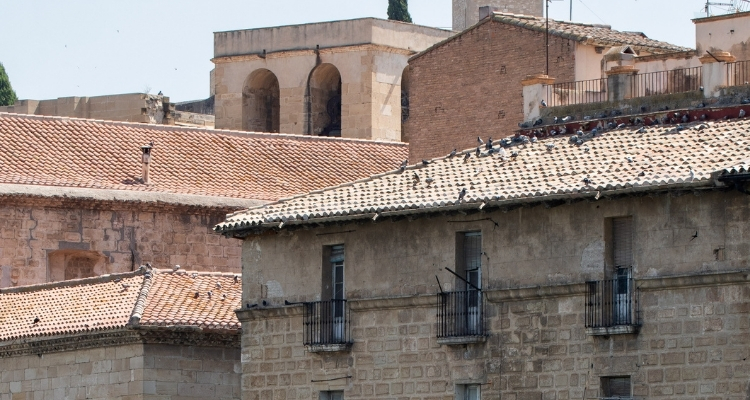
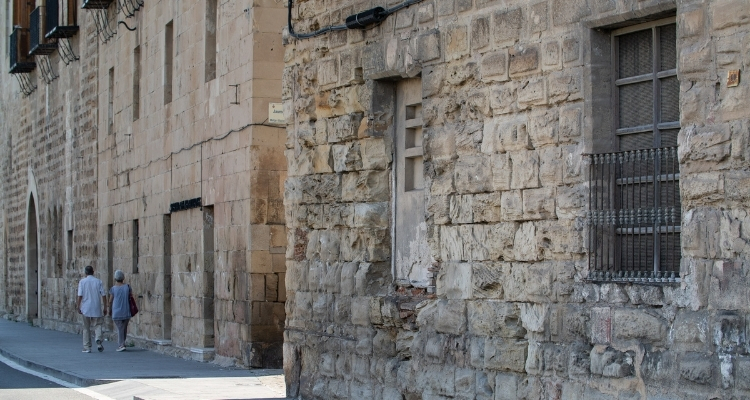
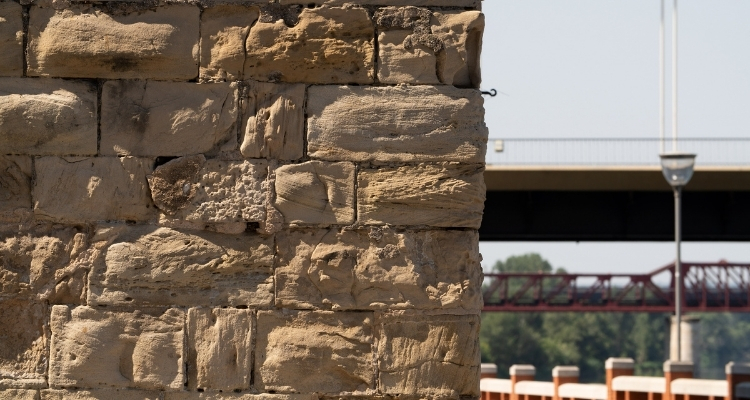
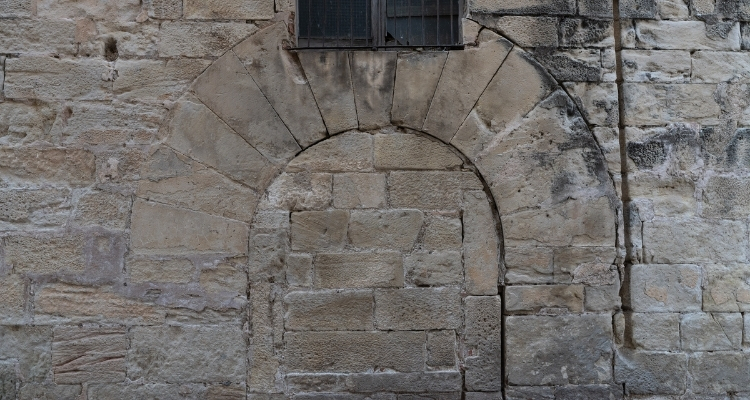
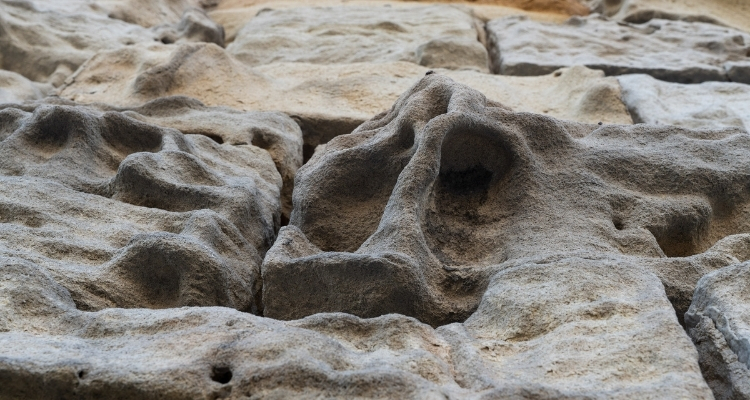
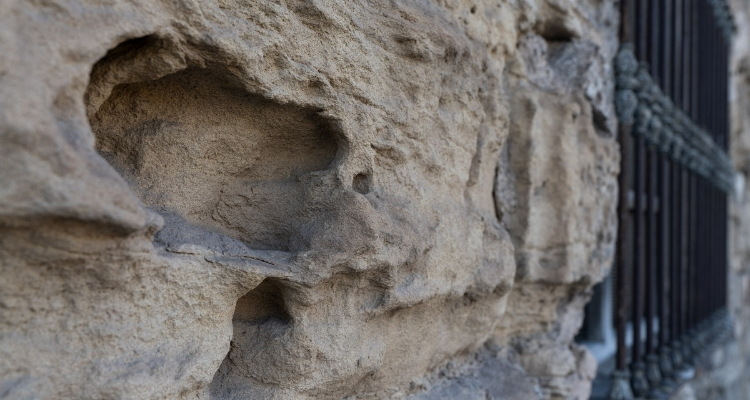
Constructed from Flix stone, the palace retains the restrained elegance typical of Renaissance civic architecture. Its main façade features a grand round-arched entrance framed by voussoirs, evenly arranged balconies across the upper floors and harmonious proportions. Today, it remains one of the landmark buildings that define Tortosa's historic riverside skyline.
Over the centuries, the palace has served a variety of purposes and witnessed many important moments in the city's history. In the late 19th century, it was also home to the laboratory of Dr Jaume Ferran i Clua, the physician and bacteriologist born in Corbera d'Ebre who gained international recognition for developing the first cholera vaccine and pioneering research into vaccines against other infectious diseases. A commemorative plaque on the building recalls his work here.
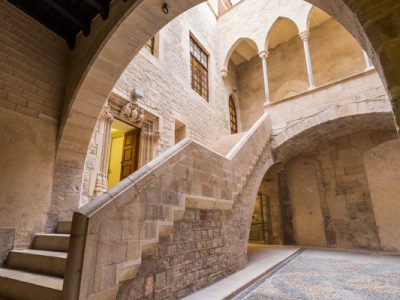
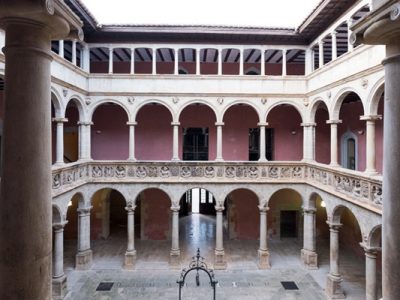
Although the interior is not open to visitors, the Palace of the Generalitat Delegation is an essential stop on any walk through Tortosa's historic centre. Its distinguished façade, its close links with the history of the Generalitat and its privileged position beside the River Ebro help explain the city's political, commercial and scientific significance over the centuries.