Description
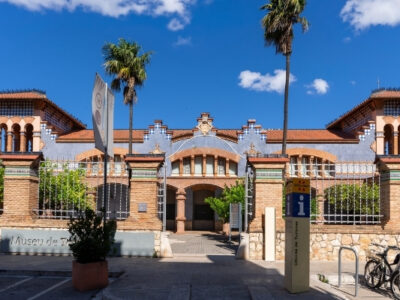
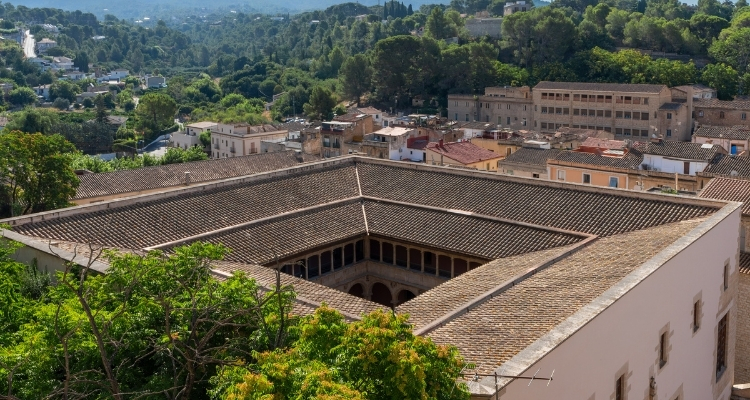
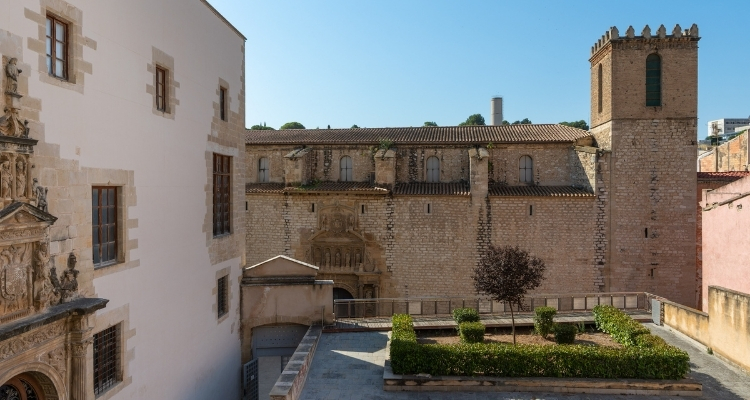
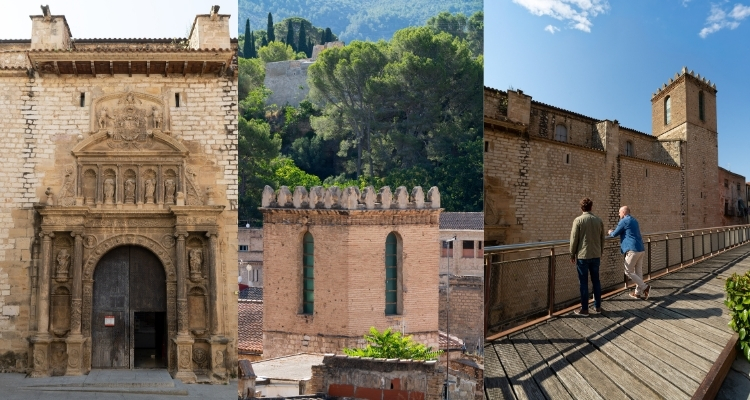
The Royal Colleges of Tortosa form the most important complex of civil Renaissance architecture in Catalonia and are an essential visit for discovering the splendour of 16th-century Tortosa. Chosen by popular vote as one of the 7 Treasures of Tortosa’s Cultural Heritage, as part of Tortosa’s designation as Capital of Catalan Culture in 2021, they combine monumental architecture, heritage and an innovative museum experience.
During the 16th century, Tortosa was one of the leading cities in Catalonia. Moreover, it was an important economic, commercial and cultural centre. The Royal Colleges were established in this context and were initially linked to the education of young Moriscos who had converted to Christianity and to the studies of the Dominican Order. Today, the complex provides exceptional evidence of the importance Tortosa achieved during the Renaissance.
Royal Colleges of Tortosa: the Renaissance city
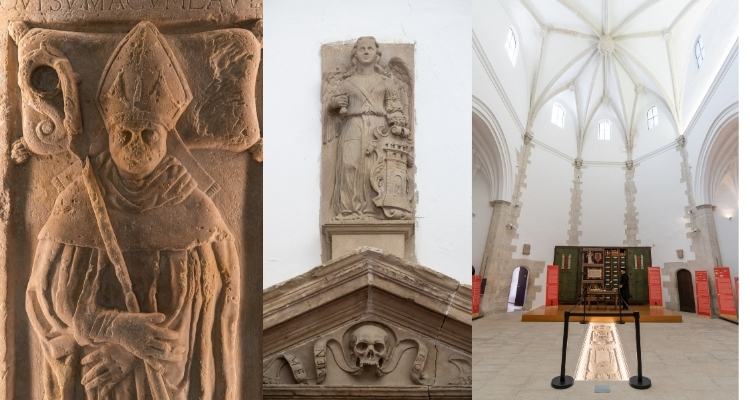
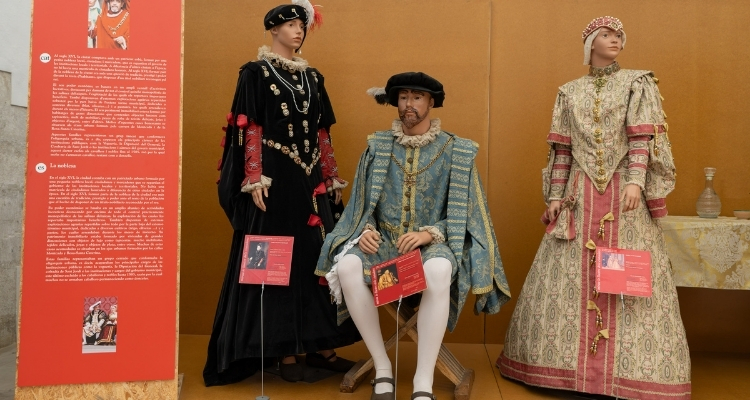
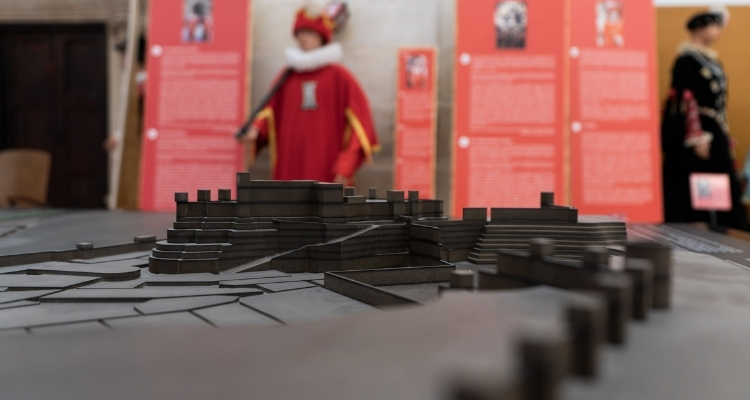
The visit to the Royal Colleges of Tortosa begins at the Renaissance Interpretation Centre, housed in the former Church of Sant Domènec. Its permanent exhibition introduces visitors to 16th-century Tortosa, its cultural and humanist development and its connection with today’s Renaissance Festival.
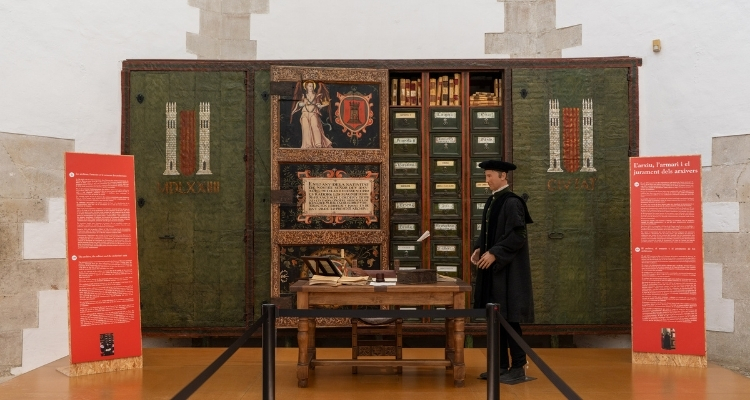
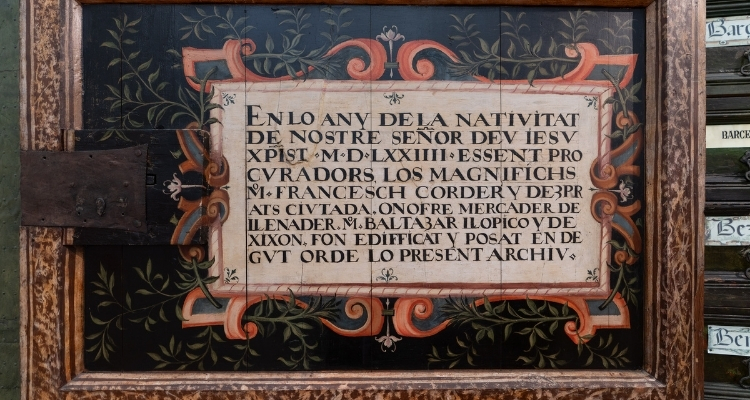
In addition, the centre preserves objects of considerable historical value. These include the former doorway of the City Hall and the magnificent document archive cabinet dating from 1574. Together, the architecture and historical objects provide an insight into one of the most prosperous periods in Tortosa’s history.
Interactive Renaissance
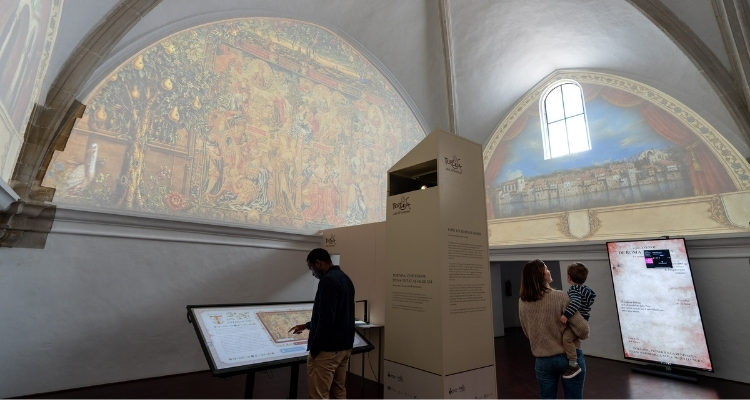
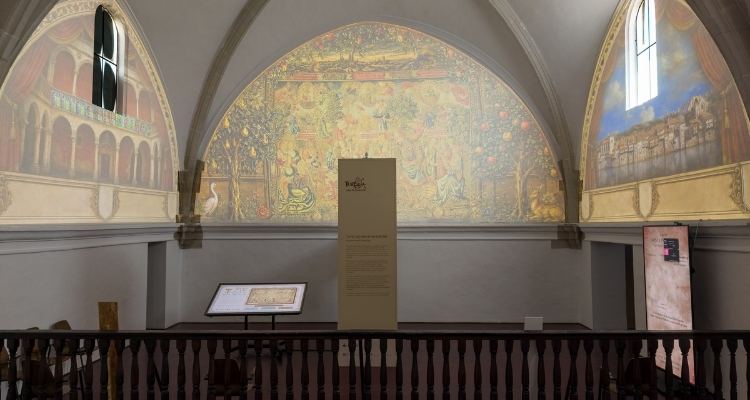
The Interpretation Centre also features Interactive Renaissance, an audiovisual experience combining heritage, technology and cultural interpretation. Through projections, interactive walls and resources based on artificial intelligence, visitors can explore 16th-century Tortosa in a different and engaging way.
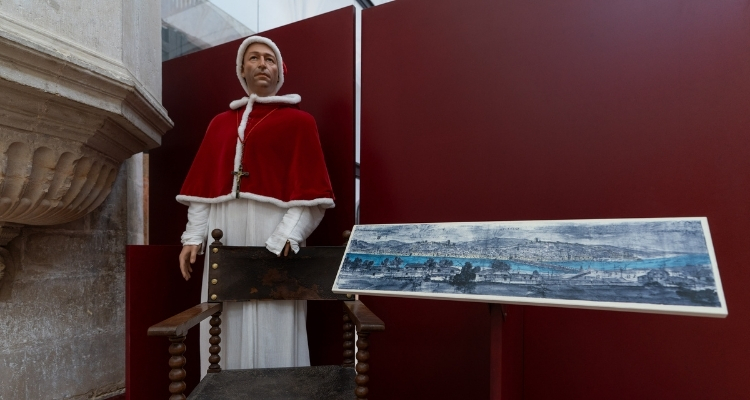
One of its highlights is the digital recreation of the Ages of Man tapestries, associated with the Oliver de Boteller family. Visitors can also discover elements inspired by the panoramic view of Tortosa drawn by Anton van den Wyngaerde in 1563 and other examples of the city’s Renaissance heritage. Furthermore, an interactive experience can transform a visitor’s portrait into a Renaissance-inspired image.
The courtyard of the College of Sant Jaume and Sant Maties
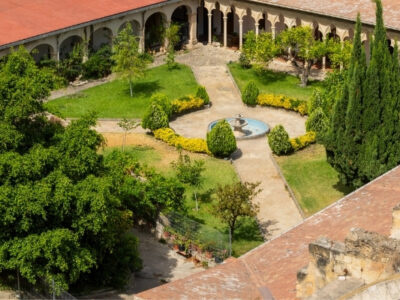
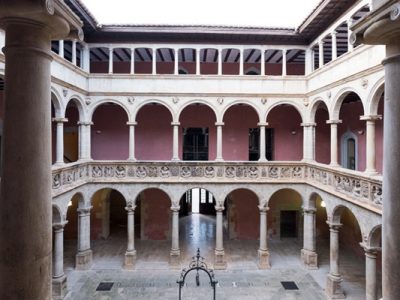
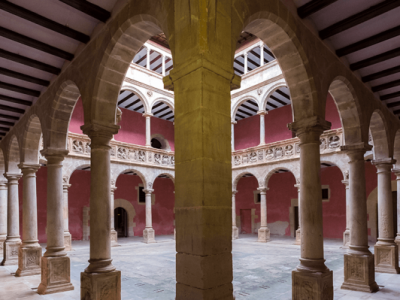
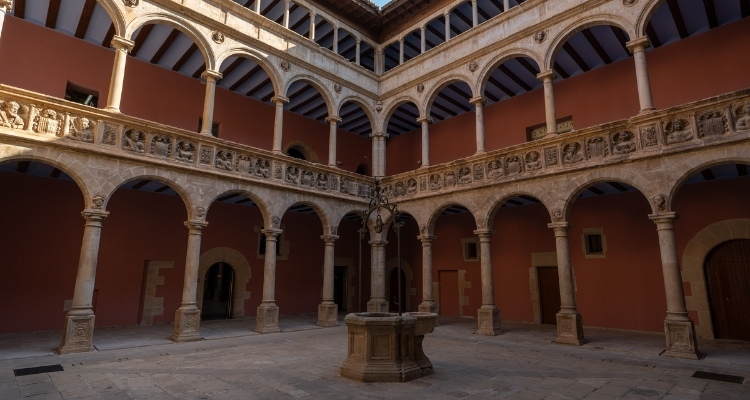
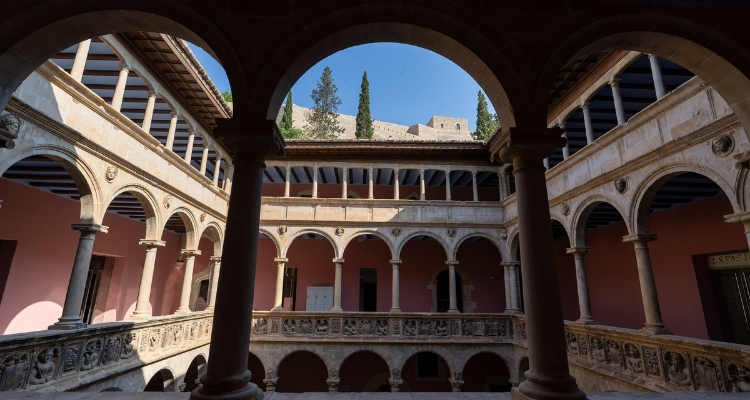
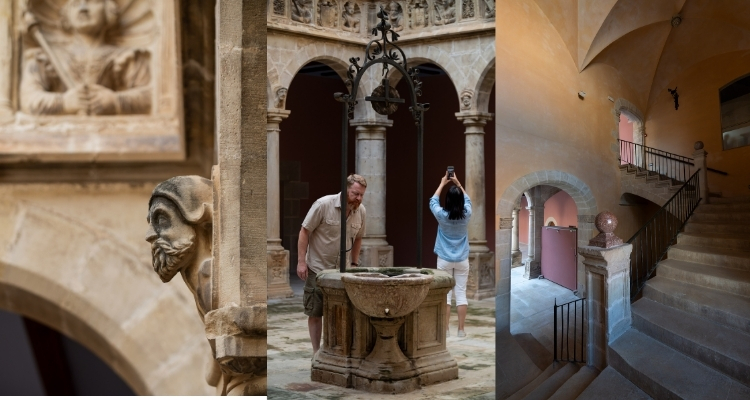
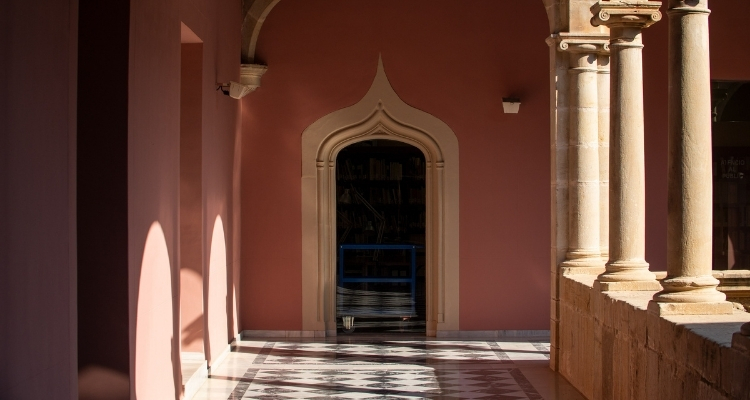
The visit continues at the College of Sant Jaume and Sant Maties. Its monumental courtyard is one of the great masterpieces of the Catalan Renaissance and is particularly notable for its Italian influence.
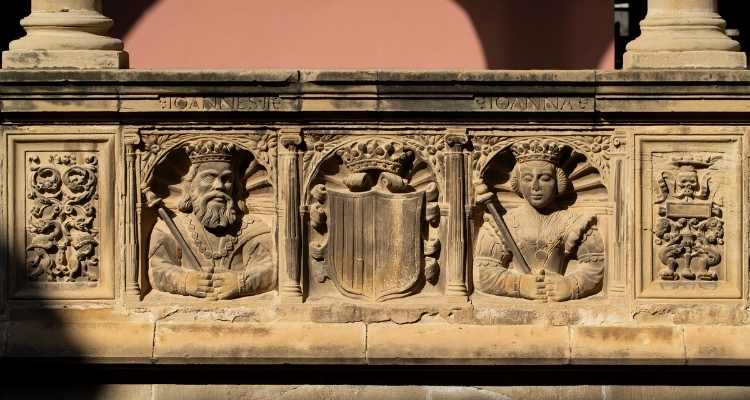
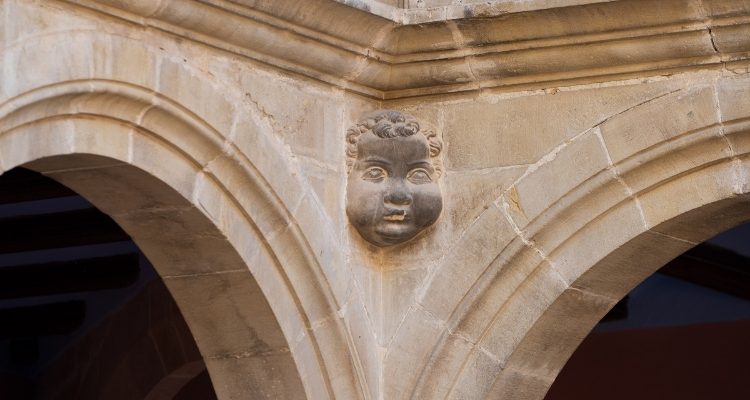
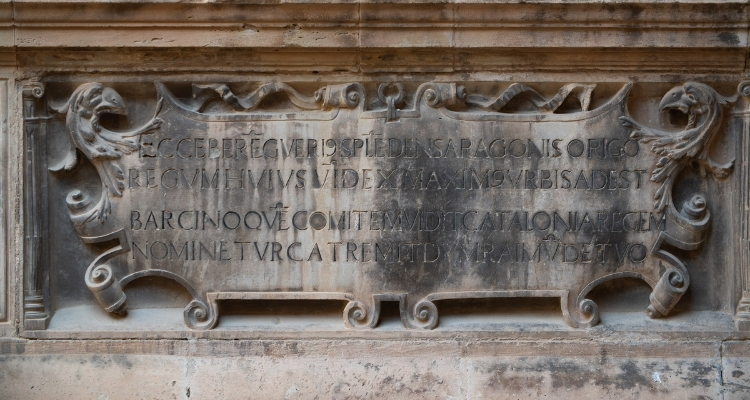
Its galleries on different levels, columns and rich sculptural decoration create an exceptional architectural space. Above all, the monumental frieze stands out. It features effigies of kings and queens of the Crown of Aragon and the Spanish Habsburg monarchy, incorporated into an elaborate iconographic programme.
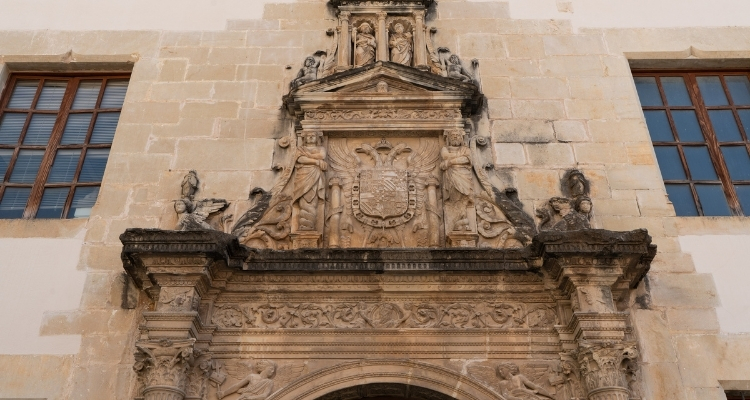
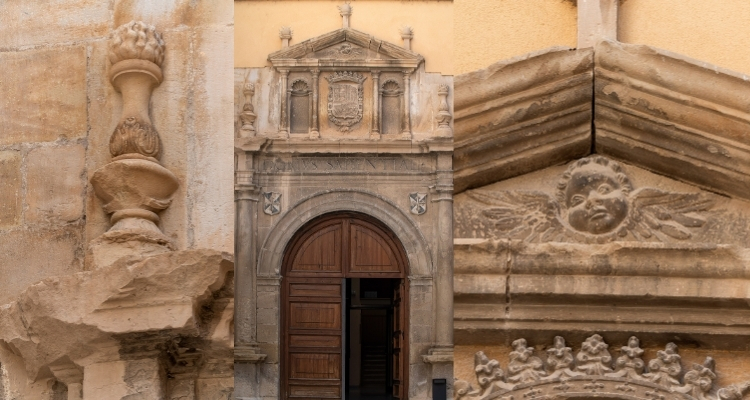
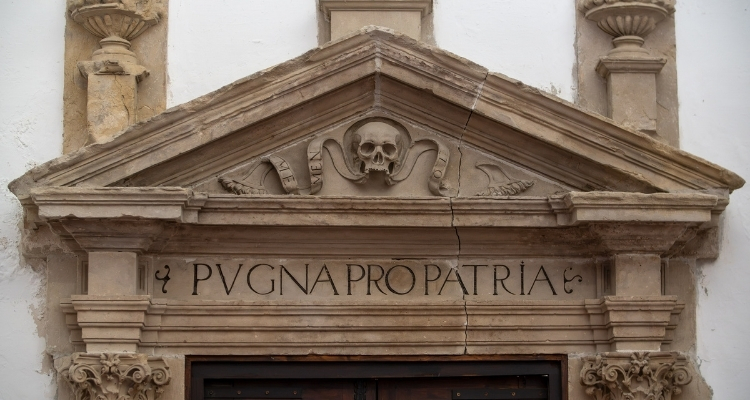
The College’s monumental entrance is another remarkable feature. Designed in the form of a triumphal arch, it incorporates the imperial coat of arms of Charles V, allegorical figures and rich decoration associated with Renaissance humanism.
The House of Wisdom
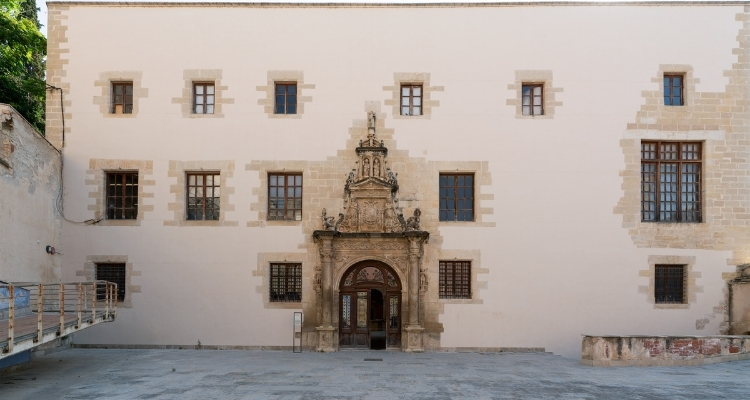
The Royal Colleges of Tortosa complex also includes the College of Sant Jordi and Sant Domènec, associated with the former university and Dominican convent. The building was severely damaged during the Spanish Civil War, and its Renaissance entrance is the principal surviving historic feature.
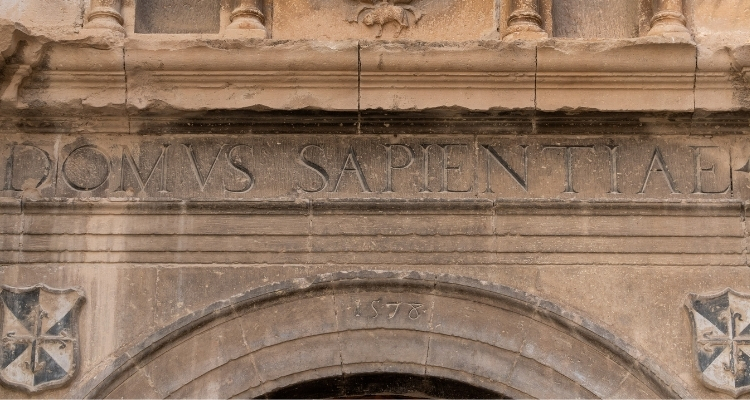
Above the entrance are the coat of arms of Philip II and the inscription DOMUS SAPIENTIAE, meaning “House of Wisdom”. This inscription recalls the building’s academic function and completes the story of a monumental complex closely associated with education and humanism.
Overall, the Royal Colleges of Tortosa offer an experience combining architecture, history and new technologies. The route from the Renaissance Interpretation Centre to the courtyard of Sant Jaume and Sant Maties provides an immersive introduction to 16th-century Tortosa and one of Catalonia’s most exceptional Renaissance complexes.
Visitor information
General admission: €3
Reduced admission: €2
Visitors aged over 65*, large or single-parent families*, people with disabilities*, students*, Sefarad Card holders* and holders of a Privilegium card issued in Morella or Alcañiz*. Also applies to groups of 15 to 49 people (price per person).
Reduced admission: €1
Groups of 50 people or more (price per person).
Free admission
Tortosa Card holders*, tourist guides*, teachers*, ICOM members*, children under 14* and Club Super3 members*.
Last Sunday of each month: free admission.
*Relevant supporting documentation must be provided.