Description
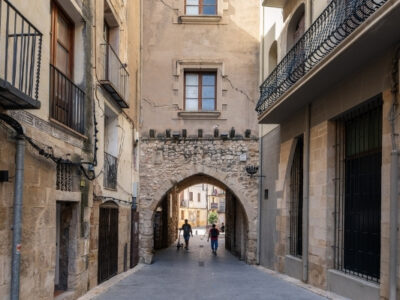
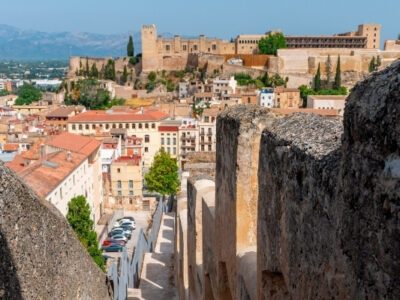
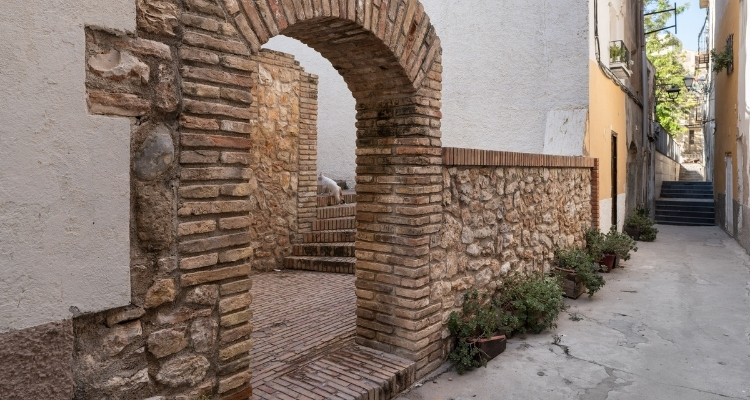
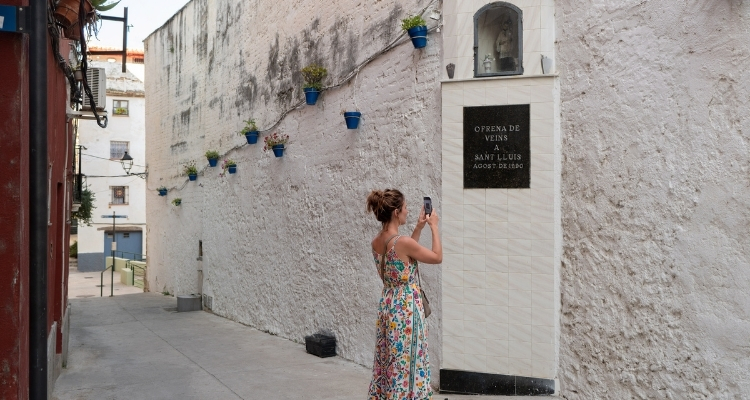
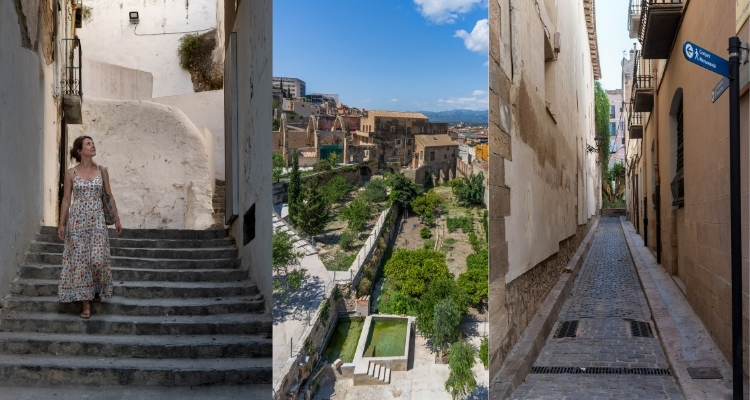
The Santa Clara Neighbourhood and Monastery form one of the most distinctive areas of Tortosa’s historic centre. Located on the northern slope of Sitjar Hill, between the hill and Montcada Street, the neighbourhood preserves a network of narrow, winding streets that follow the natural contours of the terrain. Walking through them offers a different perspective on the city and provides an insight into the urban layout of medieval Tortosa.
Santa Clara Neighbourhood and Monastery: a corner of medieval Tortosa
The neighbourhood developed between Sitjar Hill and Montcada Street, which was one of the city’s main thoroughfares for centuries. The topography shaped its urban layout, creating narrow streets, slopes and changing perspectives that still define the character of this part of the historic centre.
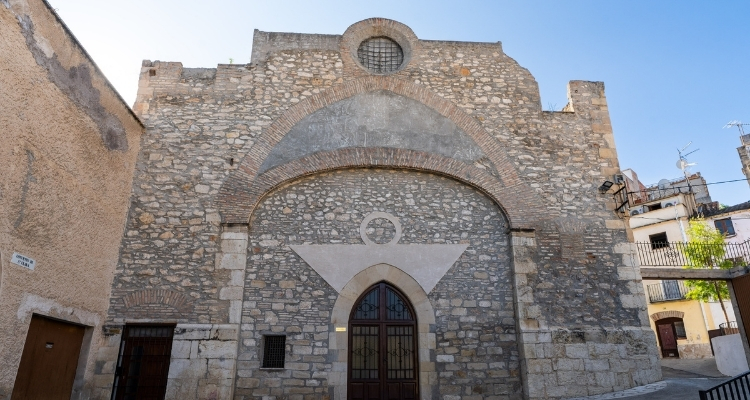
At the heart of the neighbourhood stands Santa Clara Monastery, closely linked to the medieval history of Tortosa. The origins of the complex can be traced back to the former church of Saint Michael, built by the Knights Templar before the Poor Clares established their community here.
From Saint Michael to Santa Clara Monastery
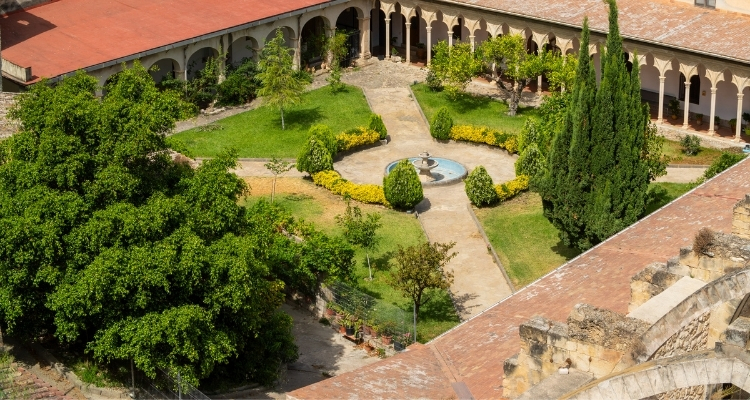
Characteristic pointed arches from the former Church of Saint Michael still survive. They were later incorporated into the monastery’s dormitory. These medieval structures are particularly distinctive and can still be seen from several elevated viewpoints around the city.
During the 13th century, the complex passed to the Poor Clares, who established their community there. Since then, the monastery has maintained a close connection with the religious history of Tortosa. It is also one of the earliest examples of the presence of the Order of Saint Clare on the Iberian Peninsula.
An exceptional 13th-century cloister
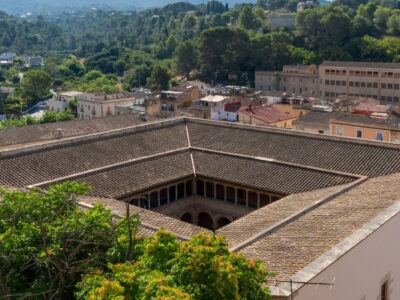
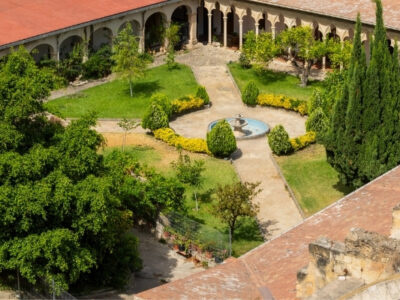
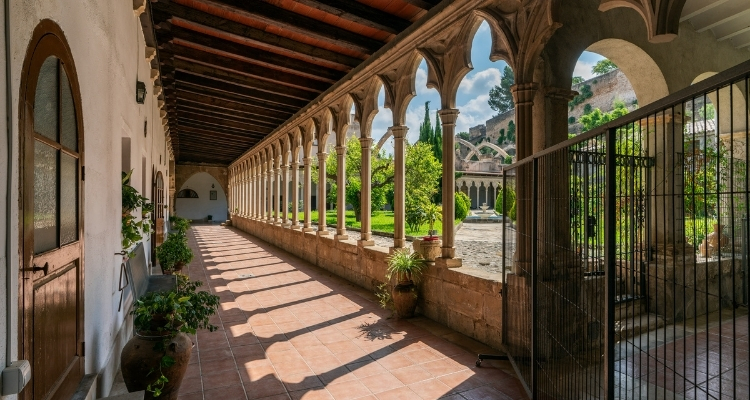
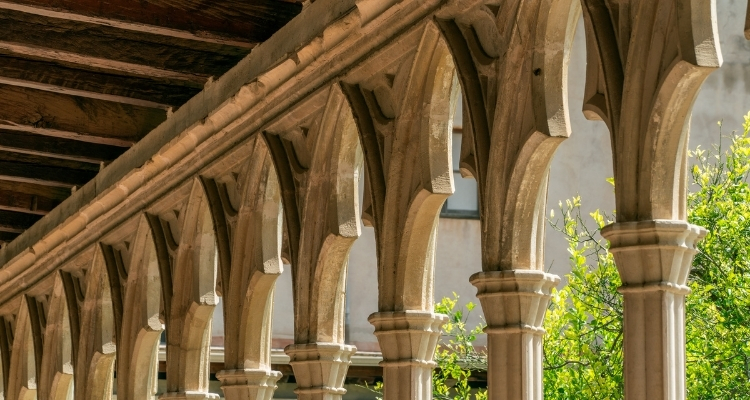
One of the most valuable heritage features of Santa Clara Monastery is its cloister, built in the late 13th century. It is considered an outstanding example of the influence of Provençal Gothic architecture in Catalonia.
The northern and western wings survive from the original medieval structure. They feature elegant trefoil arches supported by engaged columns with distinctive bifoliate bases. The unusual character of this composition makes the cloister a particularly noteworthy example of Catalan Gothic architecture.
The monastery suffered considerable damage during the Spanish Civil War (1936–1939). Despite the losses and subsequent alterations, important architectural elements have survived, providing evidence of more than eight centuries of religious and cultural history.
Discovering Santa Clara from its streets
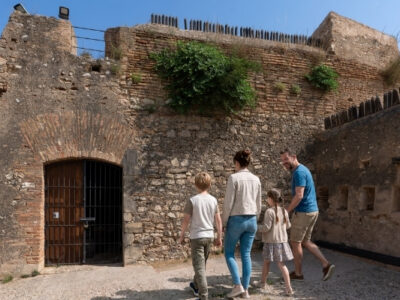
Santa Clara Monastery is not part of a regular tourist circuit, as it remains associated with its religious function. Therefore, exploring this area mainly involves walking through the streets of the neighbourhood and observing those parts of the monastic complex that are visible from public spaces.
A walk through the Santa Clara Neighbourhood reveals how its architecture adapts to the steep terrain and offers distinctive views across the historic centre. Moreover, some of the monastery’s surviving medieval structures can be identified from elevated points around the area.
The Santa Clara Neighbourhood and Monastery therefore offer a different way to discover Tortosa’s history. Its narrow streets, changing levels and historic monastic complex make this area particularly interesting for understanding the layout and atmosphere of the medieval city.