Description
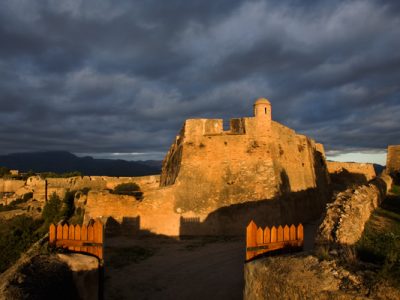
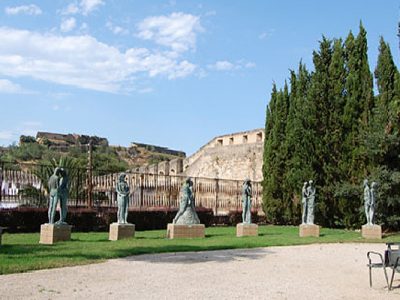
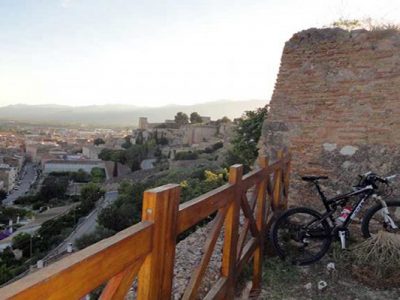
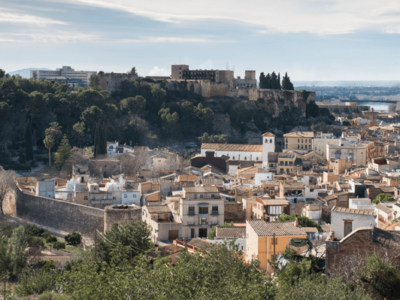
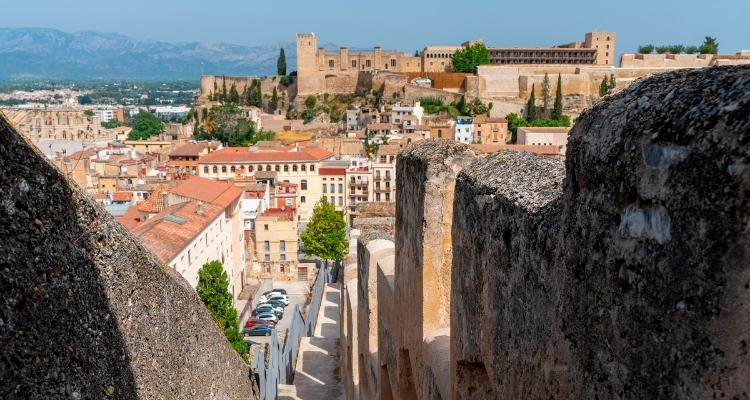
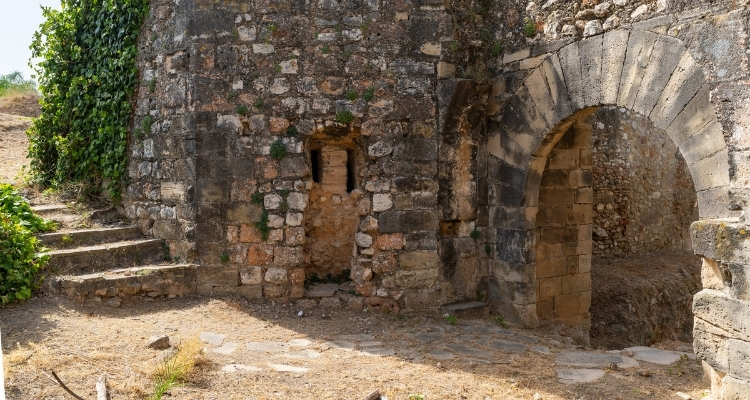
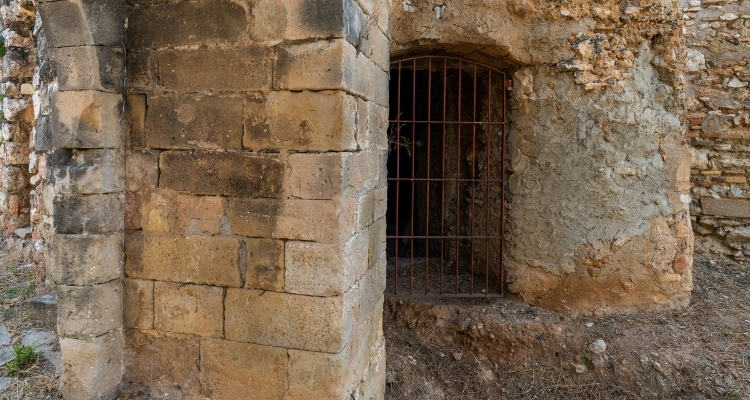
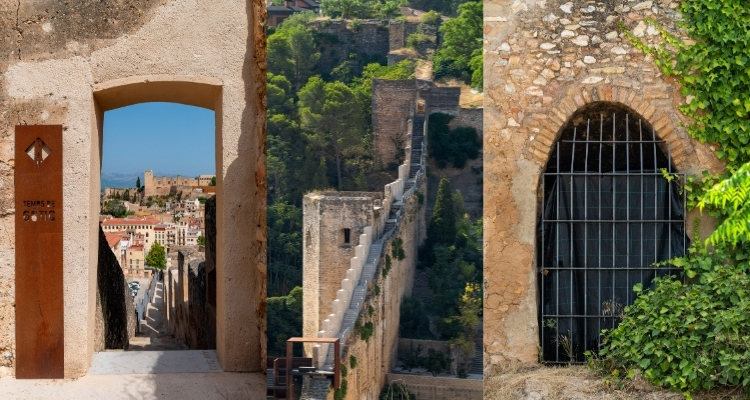
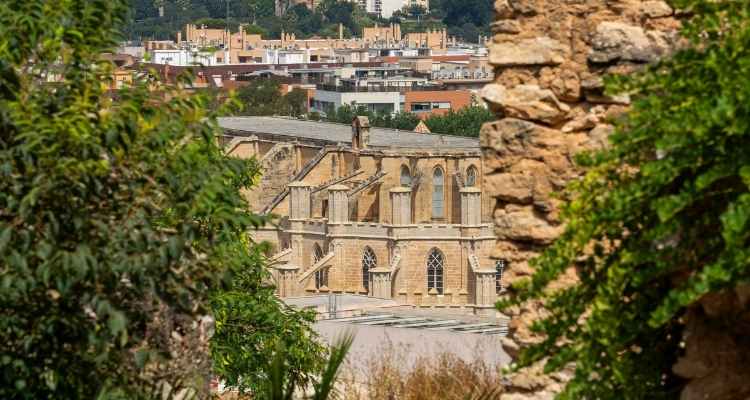
The Sitjar Fortifications Tortosa form one of the most interesting sections of the city’s historic defensive system. Located on the western side of the historic centre, they combine structures of medieval origin with defences dating from the 17th and 18th centuries. In addition, the Tarragona Gate is one of the most distinctive surviving features of this fortified area.
Sitjar Fortifications Tortosa: from medieval walls to bastions
The Sitjar sector occupied a strategic position in the defence of Tortosa. Unlike the riverfront, which was largely protected by the Ebro, this side of the city required a particularly strong defensive system.
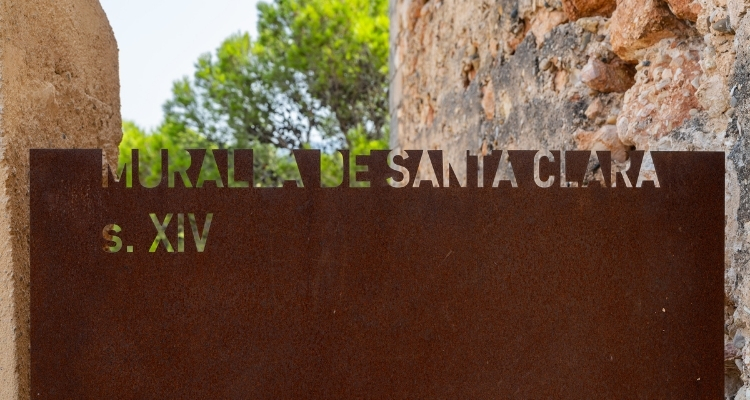
The fortifications preserve evidence from different historical periods. For this reason, they provide an insight into the evolution from medieval walls to modern defences designed to withstand artillery.
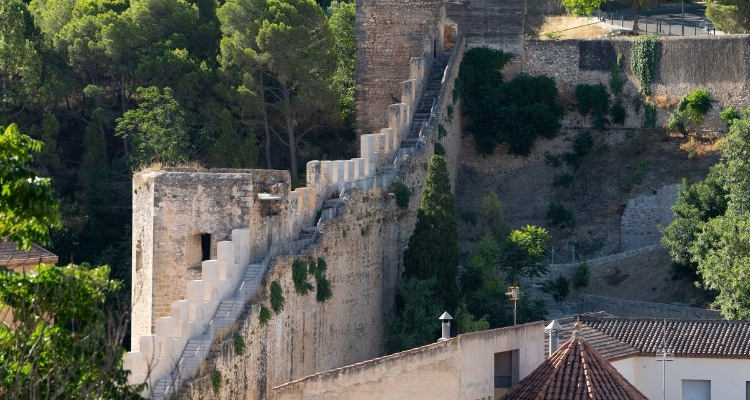
From the 17th century onwards, new military requirements profoundly transformed the earlier structures. As a result, the defences were reinforced with polygonal bastions, moats and positions designed for firearms. In this way, the different flanks could be better protected and vulnerable points along the walls reduced.
Tarragona Gate, an entrance to medieval Tortosa
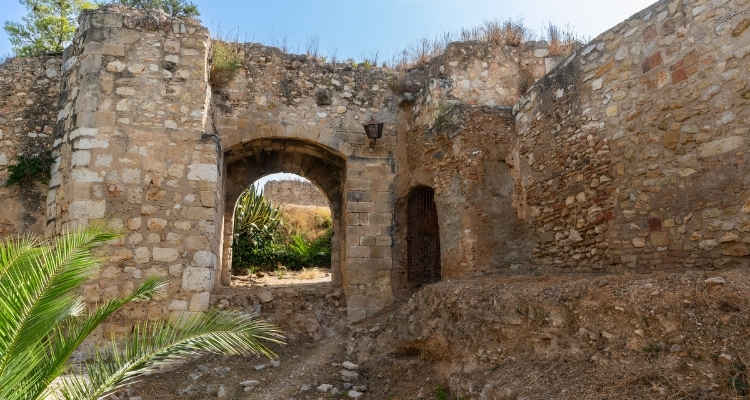
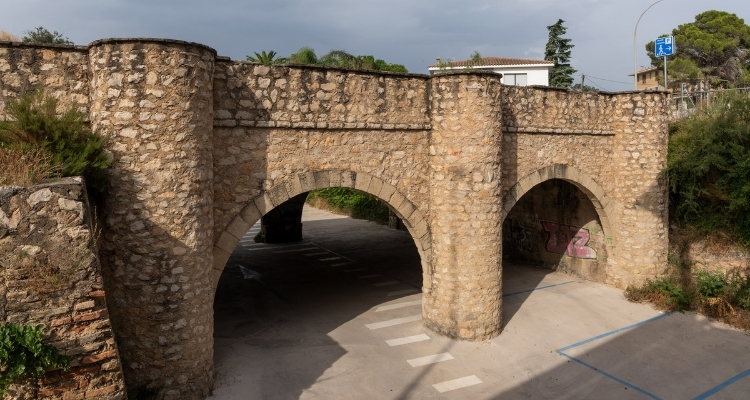
The Tarragona Gate is one of the main surviving medieval features in this sector. Built in the 14th century, it formed part of the gateways through the city walls and connected Tortosa with the routes leading in this direction.
With the transformations of the early modern period, the gateway was incorporated into the new defensive system. However, it survived the demolition of much of Tortosa’s walls during the city’s urban expansion in the 19th century.
Therefore, its presence clearly illustrates the relationship between medieval fortifications and later defensive structures. It is a good example of how older elements were incorporated into more modern military systems.
The Victòria, Carme and Crist bastions
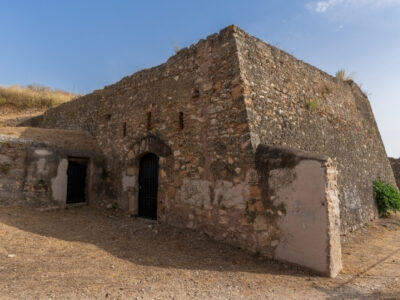
A series of bastions reinforced the defensive system around the Tarragona Gate. The Victòria Bastion, into which the gateway was incorporated, preserves defensive features associated with the use of firearms.
In addition, the system includes the Carme Bastion, associated with a broad defensive moat. The Crist Bastion is another significant element, with several structures from the former fortified enclosure still surviving.
In fact, viewing these elements together helps explain how bastioned fortifications functioned. Walls, moats and carefully designed defensive angles responded to new military requirements. Artillery had fundamentally changed the way cities needed to be defended.
A strategic sector in the defence of Tortosa
The Sitjar Fortifications became particularly important during the military conflicts of the early modern period. Indeed, their location made them essential for protecting the western approaches to Tortosa.
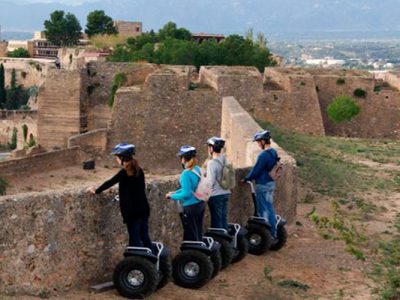
Today, exploring this area reveals several stages of the city’s military history within a single fortified complex. At the same time, the combination of gateways, walls, bastions and moats helps visitors understand how Tortosa’s defences evolved.
Overall, the Sitjar Fortifications and Tarragona Gate provide a particularly clear insight into Tortosa’s fortified history. The complex traces the development from the medieval walled city to the major fortified stronghold of the 17th and 18th centuries.