Description
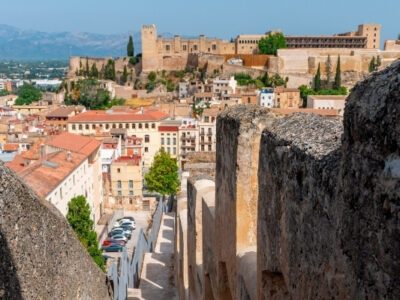
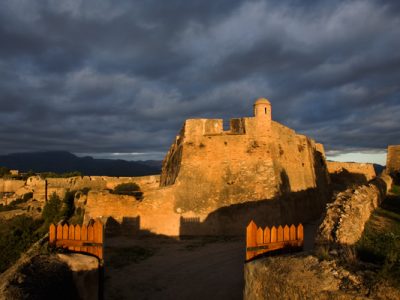
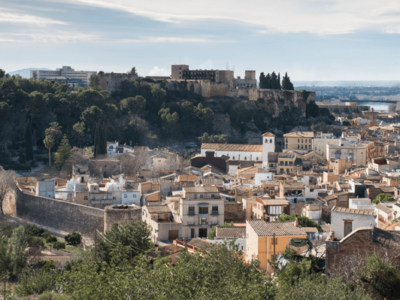
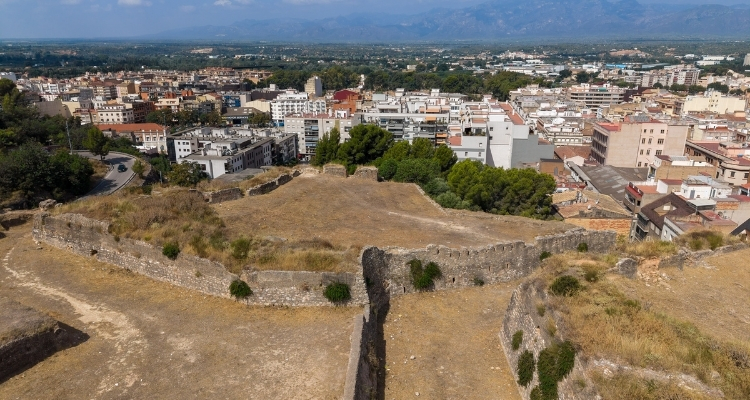
Orleans Fort is one of the most significant fortifications in Tortosa’s defensive system. Standing on a hill overlooking the city from the south, it offers an opportunity to discover an important work of military engineering dating from the 17th and 18th centuries. In addition, its elevated position provides panoramic views over Tortosa and helps visitors understand the scale of the fortifications that once protected the city.
Orleans Fort: a strategic fortification in Tortosa
The fort was built after the War of the Spanish Succession, by order of the Duke of Orleans, from whom it takes its name. Much of its original layout has been preserved, and its position on a steep hill gave it considerable strategic importance.
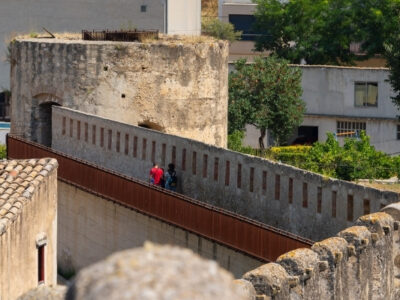
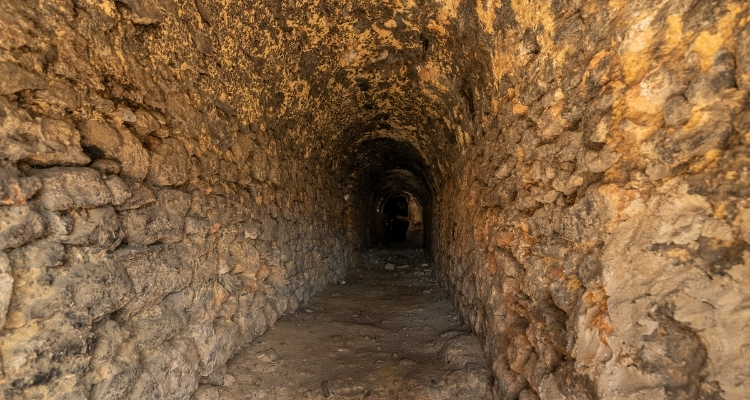
From this location, the southern approaches to Tortosa could be controlled. At the same time, the fort was connected to the Sitjar fortifications by a double caponier. Together with Tenasses Fort, it formed an important part of the complex defensive system developed around the city.
Bastions and military architecture
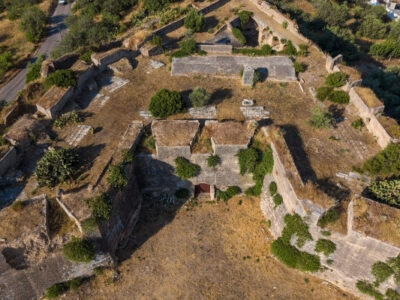
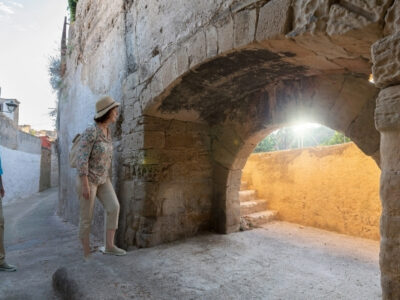
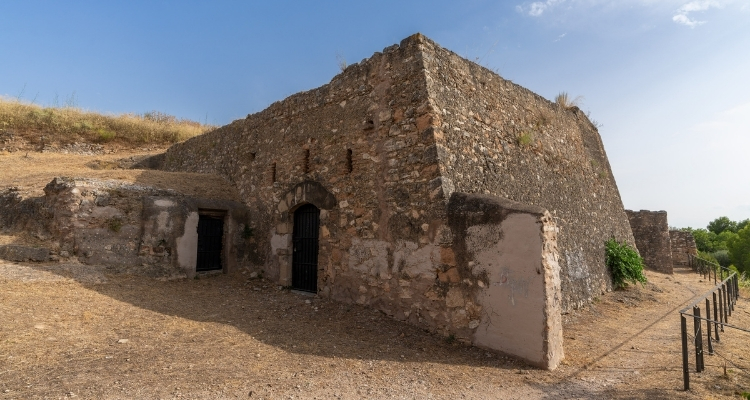
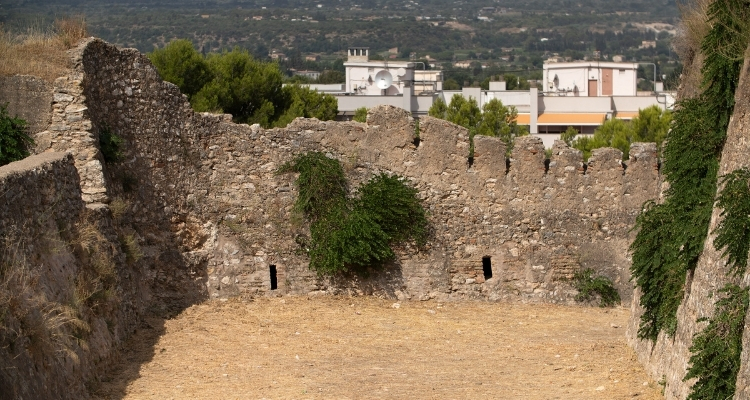
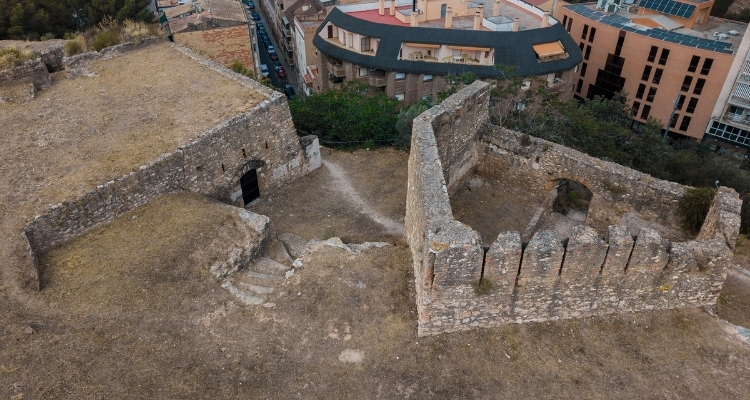
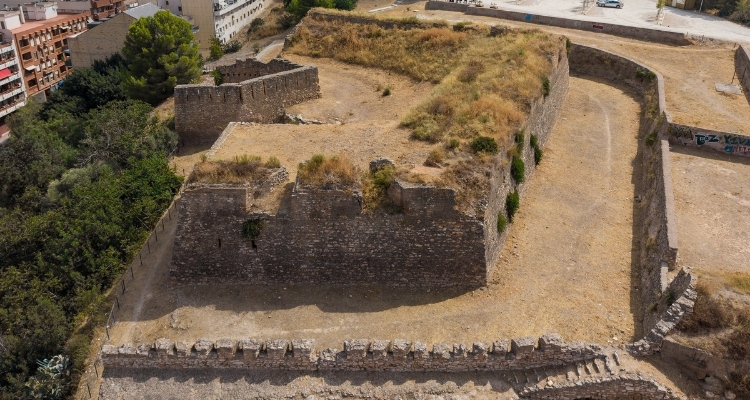
Exploring Orleans Fort provides an insight into how fortifications were adapted to the development of artillery. The complex preserves two pentagonal bastions inspired by French military architecture, as well as the moat and covered way.
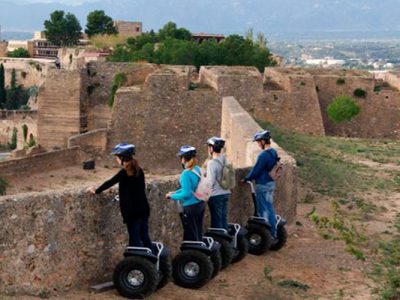
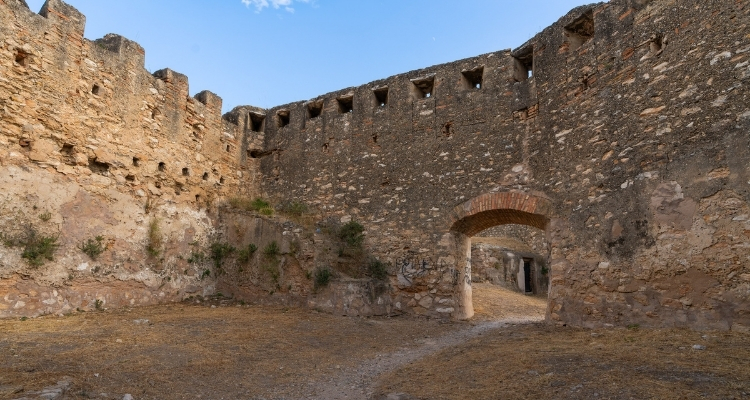
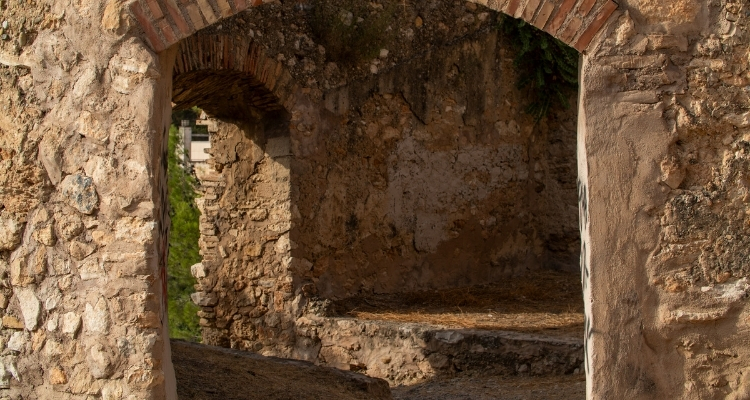
Along the route, visitors can also identify loopholes, gun embrasures, a cistern, the powder magazine and the wall walk. Thus, these architectural features illustrate the defensive techniques developed during the 17th and 18th centuries and show how this strategic position was protected.
The fort also played an important role during the Siege of Tortosa in 1810, during the Peninsular War. Its involvement in the defence of the city confirms the military importance it retained during the conflicts of the early 19th century.
A viewpoint over Tortosa’s fortifications
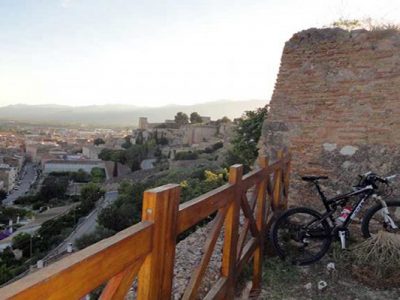
The elevated position of Orleans Fort offers a privileged perspective over Tortosa and its defences. From here, visitors can identify other elements of the fortified system, including Crist Fort, Carme Fort, Victòria Fort and Suda Castle.
Therefore, the views are more than simply a scenic attraction. They also help visitors understand the relationship between the different fortifications and appreciate the extent of the defensive structures that once surrounded the city.
An interpreted site for discovering military history
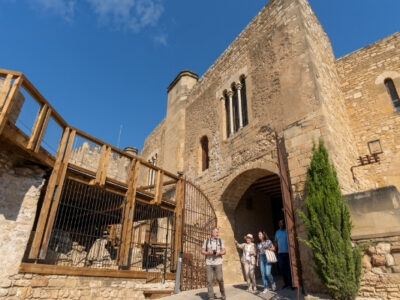
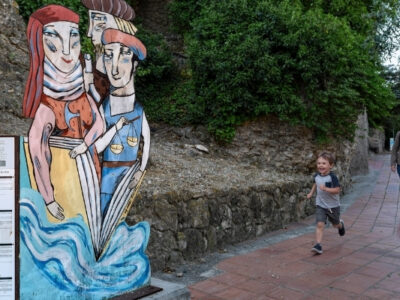
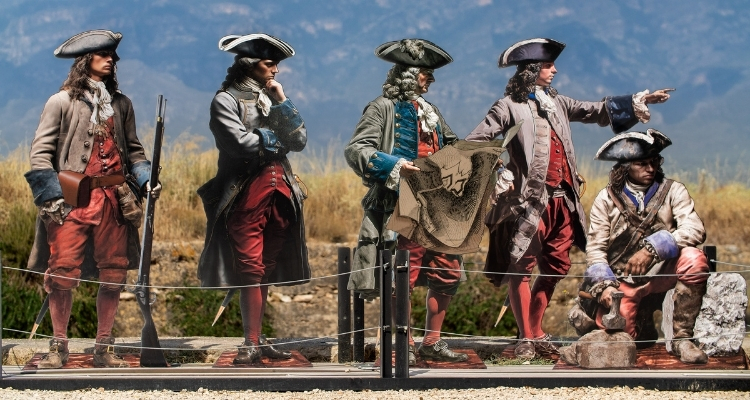
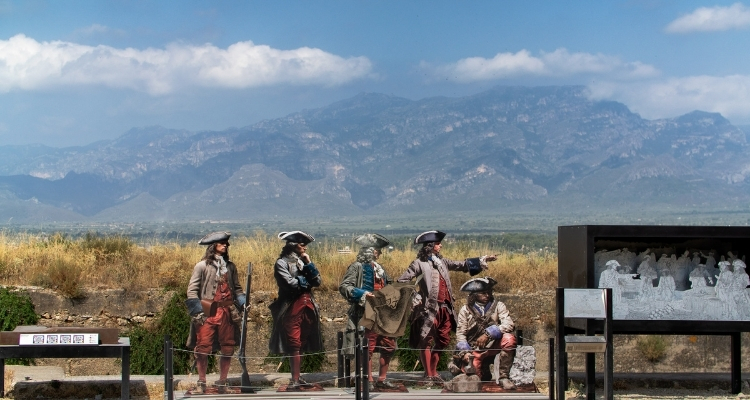
Today, the visit is enhanced by the interpretation facilities at Orleans Fort. Interpretive displays, historical recreations and digital resources make the site easier to understand and explain how the fortification functioned.
Moreover, these resources place the fort within the wider network of walls, bastions and defensive structures that made Tortosa an important fortified city.
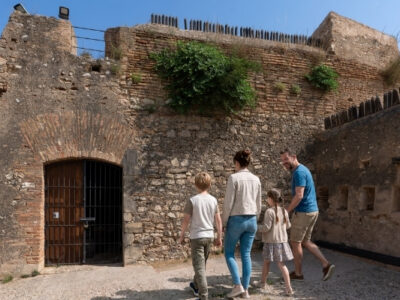
Overall, visiting Orleans Fort combines military heritage, history and landscape. Walking around its bastions, discovering its defensive features and viewing Tortosa from this elevated position provide an excellent introduction to one of the city’s most important areas of heritage.