Description
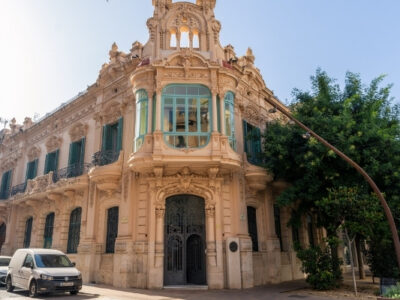
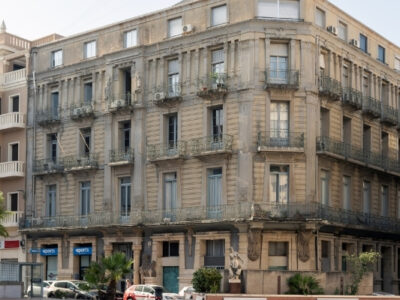
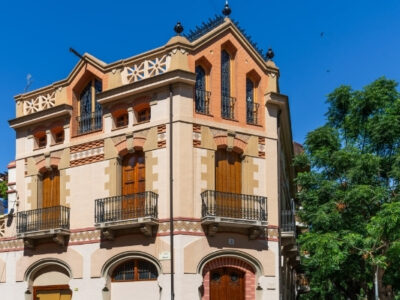
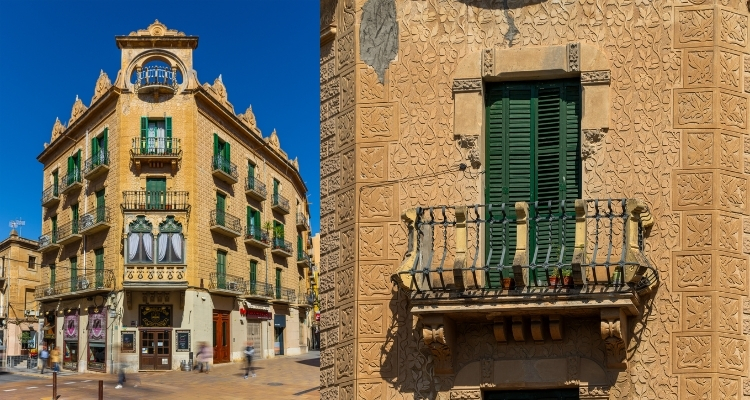
Matheu House Tortosa is one of the earliest major examples of Modernism in Tortosa. Also known as Segarra House, it stands at the junction of Teodor González Street and Cervantes Street, directly opposite Brunet House. Its location, at the beginning of the city’s urban expansion area, offers an excellent introduction to one of the districts that best reflects Tortosa’s architectural and urban transformation in the early 20th century.
Matheu House Tortosa: Modernism in the city’s urban expansion
This area corresponds to the former Sant Joan pass, where the medieval walls and later fortifications once marked the southern boundary of the city. The demolition of these defences during the last quarter of the 19th century made it possible to develop a new urban district connecting the historic centre with the railway station.
As a result, Tortosa’s expansion encouraged the construction of numerous Modernist and Noucentista buildings that still define the architectural character of this part of the city.
Designed in 1907 by Pau Monguió i Segura, Matheu House was one of the architect’s earliest works in Tortosa. Moreover, it anticipates several features that would later characterise his architectural language, combining functionality, elegance and carefully designed ornamentation.
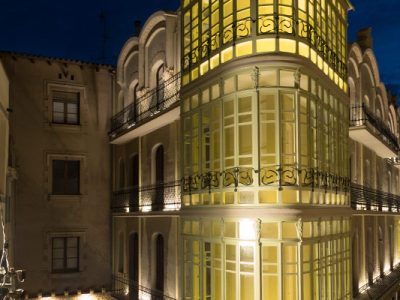
A Modernist bay window overlooking the corner
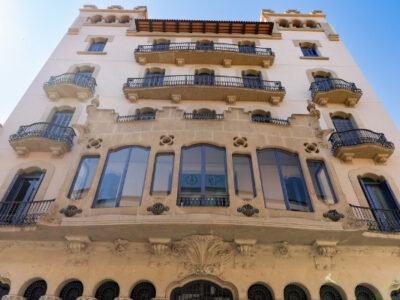
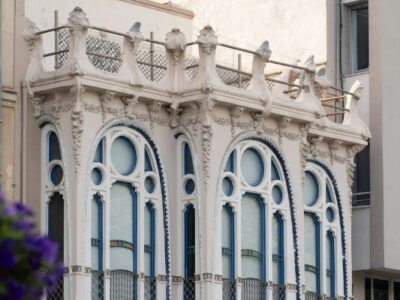
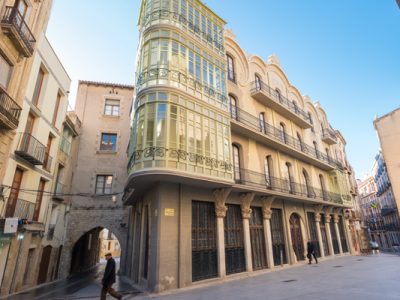
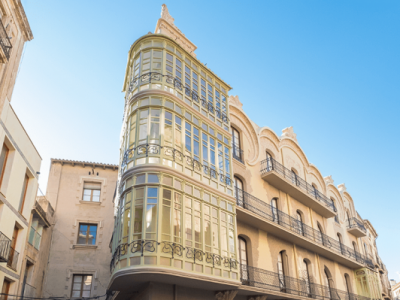
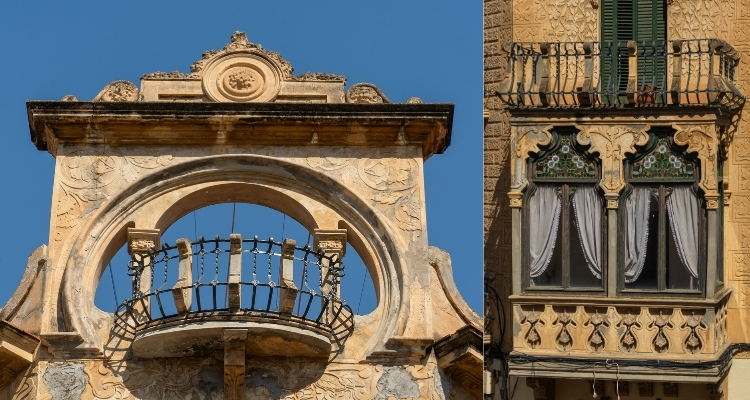
The façade extends along two streets and features a stone base and rusticated walls, giving the building a solid appearance. The corner is defined by an elegant chamfer, dominated by the magnificent bay window on the main floor, the building’s most distinctive feature.
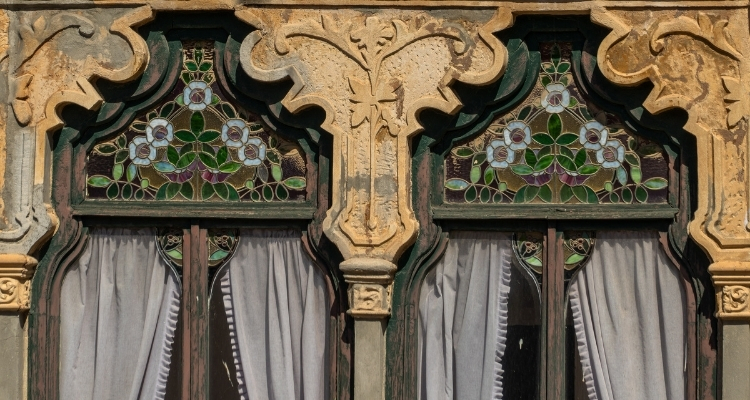
Its large windows are crowned by a mixed-line arch and incorporate coloured stained glass. This combination is an excellent example of the integration of decorative arts into Modernist residential architecture.
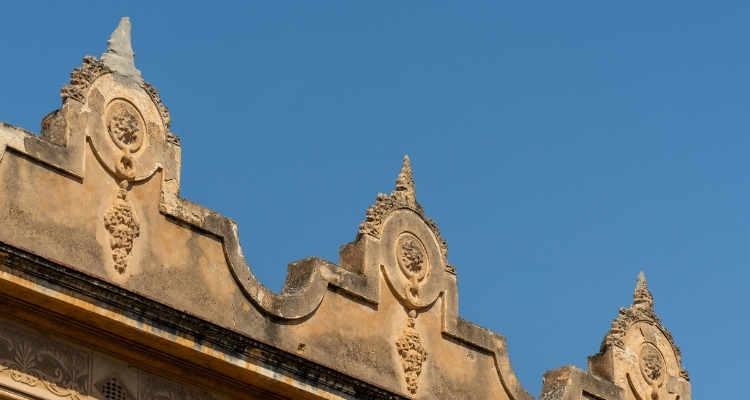
Another notable feature is the curved crowning of the façade and chamfer. Its flowing lines and the balance between structure and ornamentation add movement to the composition and reinforce the building’s distinctive presence in the streetscape.
A façade to discover from the outside
Matheu House is privately owned and its interior is not open to visitors. Therefore, the visitor experience focuses on its exterior architecture, where some of the finest features of Tortosa’s early Modernism can be appreciated.
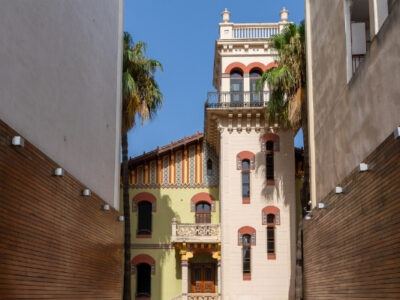
From the street, visitors can clearly observe the corner bay window, stained glass, rusticated walls and curved crowning. In addition, its proximity to Brunet House makes this an excellent location for comparing different examples of the architecture that shaped Tortosa’s new urban expansion.
Overall, viewing Matheu House provides an opportunity to discover one of the most representative works from the beginning of Pau Monguió’s career in Tortosa. Its distinctive corner, rich ornamentation and connection with the city’s urban expansion make it an important part of Tortosa’s Modernist architectural heritage.