Description
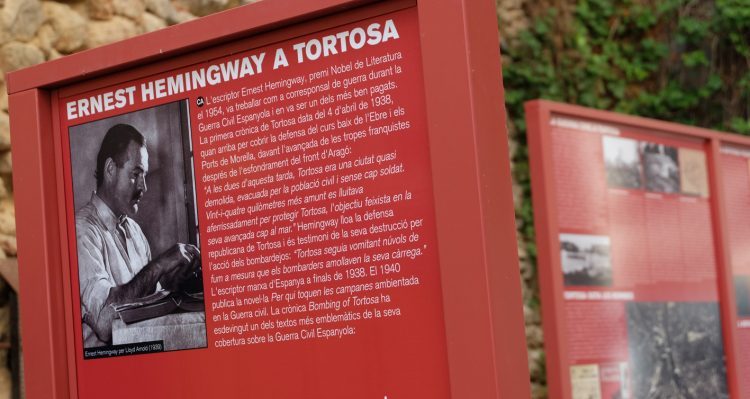
Air-Raid Shelter No. 4 offers an insight into one of the most dramatic chapters in Tortosa’s modern history. Located on Ernest Hemingway Street, beneath the slope of the Garrofer district, the shelter preserves the memory of the bombing raids suffered by the city during the Spanish Civil War. Today, it can be explored on guided tours that help visitors understand how civilians experienced the air raids.
Tortosa has held considerable strategic importance throughout its history. Walls, towers, forts, advanced fortifications and gateways bear witness to the defensive systems built over the centuries. However, the Spanish Civil War forced the city to adapt to a new form of warfare: aerial bombardment.
A city under bombardment
During the Spanish Civil War, Tortosa became a strategic location and suffered numerous bombing raids, particularly as the Ebro front drew closer. For this reason, air-raid shelters were built or adapted throughout the city’s different neighbourhoods.
Tortosa’s topography made it possible to excavate some of these shelters into natural slopes. In addition, they became an essential part of the passive defence measures designed to protect civilians from aerial attacks.
Air-Raid Shelter No. 4
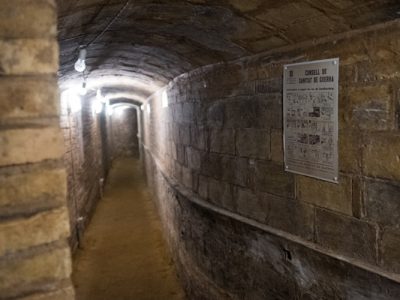
Among these spaces, Air-Raid Shelter No. 4 stands out. It was built beneath the slope of the Garrofer district, on the southern edge of the historic city. With capacity for around 400 people, it was the largest air-raid shelter in Tortosa.
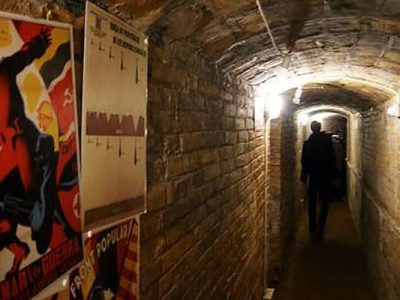
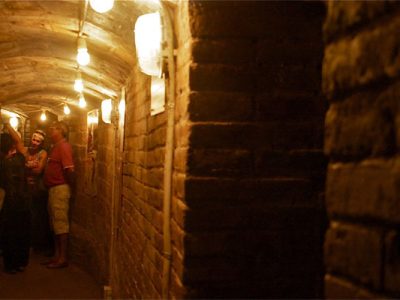
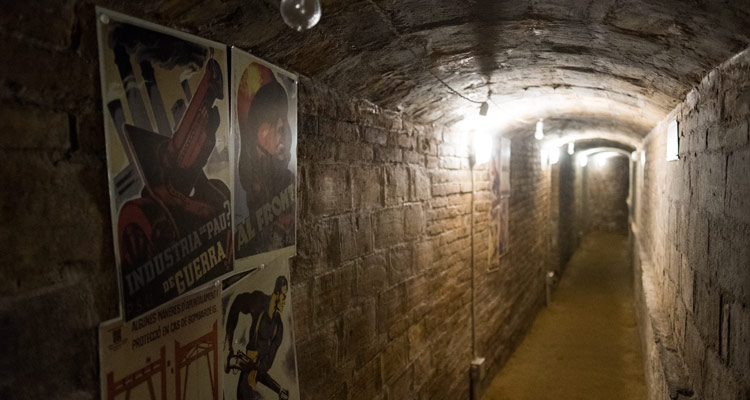
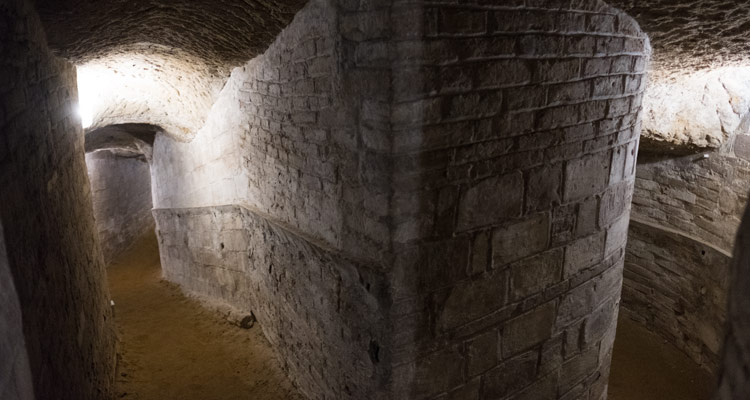
Its interior consists of a network of underground galleries. These retain their earthen floors, while different sections are lined with brick and concrete. In addition, the shelter had ventilation and a modest electrical installation, both essential when civilians had to remain underground during bombing raids.
An experience that brings Civil War history to life
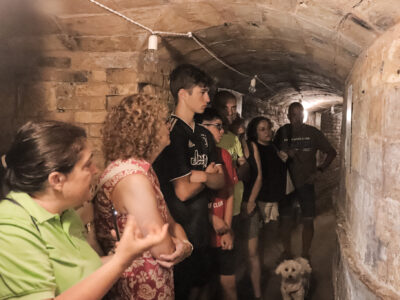
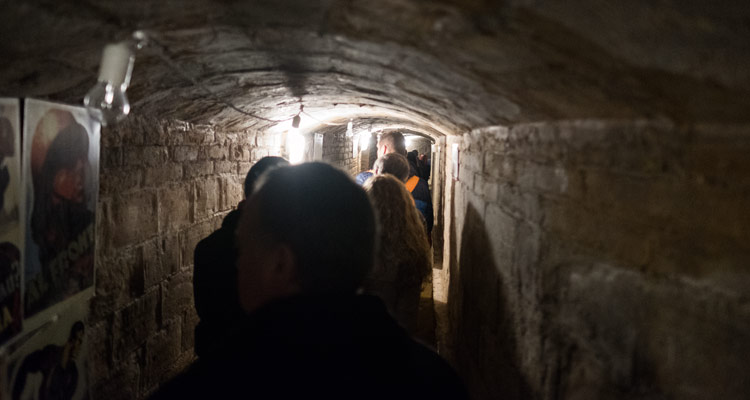
Visitors can walk through the galleries and gain an understanding of the conditions experienced by hundreds of Tortosa residents during the bombings. Moreover, a sound installation recreates the atmosphere of 1937 and 1938, helping to place the experiences of those who sought protection here into historical context.
The shelter reveals much more than the construction of a wartime refuge. It also helps visitors understand the fear, waiting and uncertainty that became part of everyday life during the air raids. In this way, the site preserves the memory of the civilian population affected by the conflict.
Visit Air-Raid Shelter No. 4
Visiting Air-Raid Shelter No. 4 offers a different perspective on Tortosa’s defensive heritage. Unlike the city’s historic fortifications, this space was not designed for military defence. Instead, it was built specifically to protect civilians.
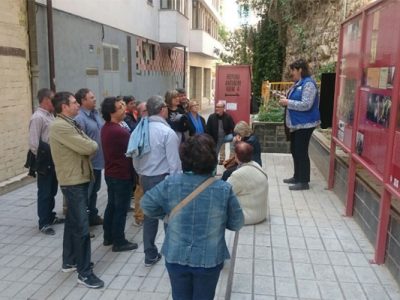
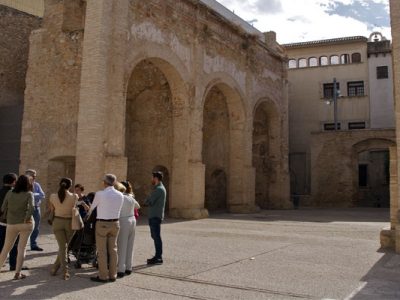
The shelter is not open for independent visits and can only be accessed as part of a guided tour. Guided visits are available through CONFICON and Terra Enllà. This allows visitors to explore the galleries accompanied by a guide and gain a deeper understanding of their historical context.
Finally, the underground galleries, sound installation and historical interpretation reveal a part of Tortosa hidden beneath the modern city. The experience provides a powerful insight into the impact of the Spanish Civil War and aerial bombardment on Tortosa and its people.