Description
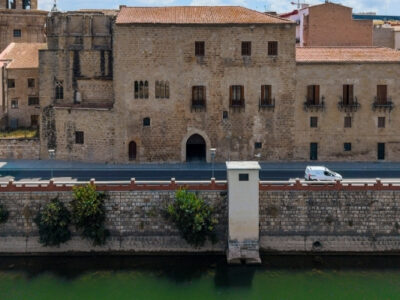
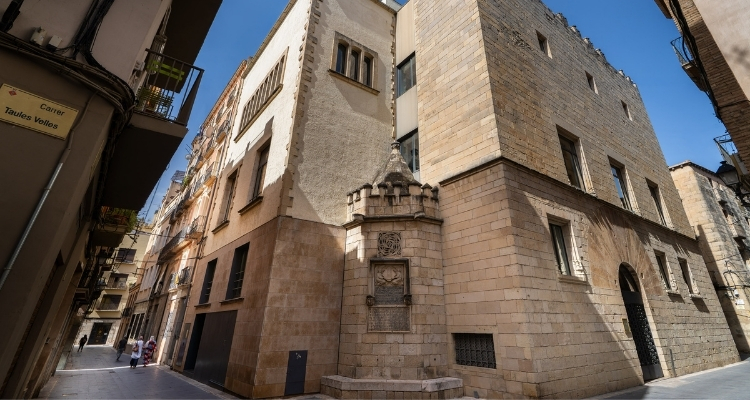
The Oliver de Boteller Palace is one of the finest examples of Gothic civil architecture in Tortosa. Located today in the historic centre, its imposing stone façade recalls the power of one of the city’s most influential families during the 15th and 16th centuries. Although the building now stands in a different location from its original site and its interior is not open to visitors, the façade offers a valuable insight into medieval and early modern Tortosa.
Oliver de Boteller Palace: a grand Gothic residence
The palace was built in the late 15th century, originally beside the River Ebro. Its location placed it in one of the busiest areas of the medieval city, very close to the former medieval Exchange and the historic riverfront.
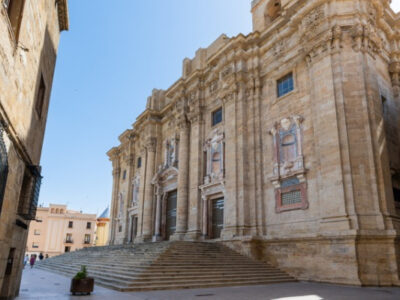
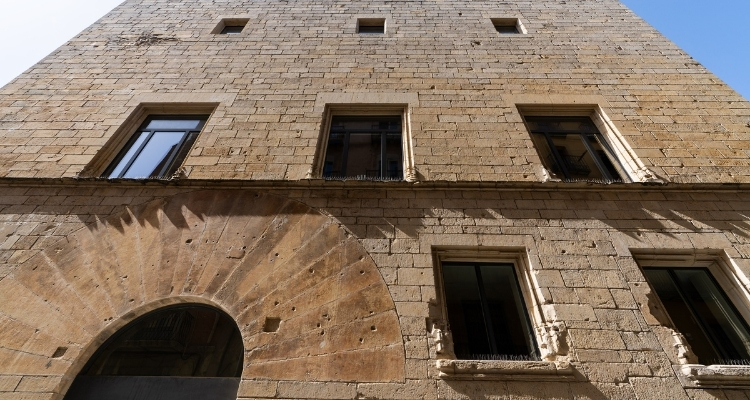
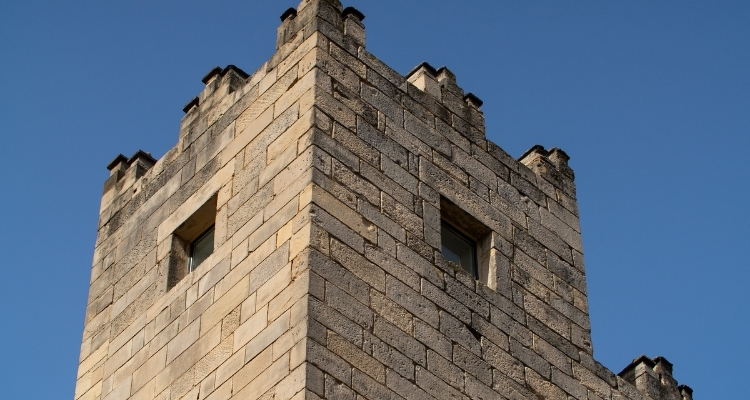
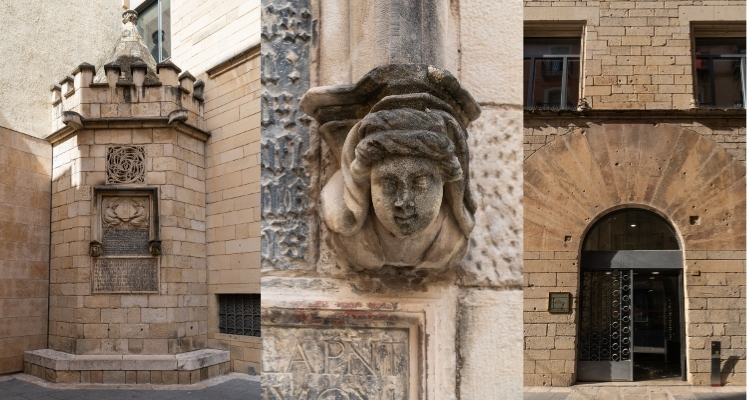
Built of dressed stone, the façade has a restrained yet monumental appearance. Particularly noteworthy are the decorative battlements crowning the building and the large voussoired entrance portal. Together, these features convey the prestigious character of a residence associated with one of the most powerful families in Tortosa at the time.
The Oliver de Boteller family
The palace was the residence of the powerful Oliver de Boteller family, one of the most influential lineages in Tortosa’s political history. Several members of the family held prominent positions, and three members of the lineage became Presidents of the Generalitat of Catalonia.
Among the most notable figures associated with the family was Joan Oliver de Boteller, who took part in the defence of Barcelona during the War of the Spanish Succession. He was also a member of the delegation involved in negotiating the city’s capitulation on 11 September 1714.
The importance of the residence is also reflected in its distinguished guests. In 1585, the palace accommodated Philip II during his stay in Tortosa. This illustrates both the prestige attained by the family and the representative character of the building.
A façade moved stone by stone
The Oliver de Boteller Palace suffered severe damage during the Spanish Civil War, resulting in the loss of much of the original building. Following subsequent urban redevelopment, the main façade was dismantled stone by stone in 1962 and reconstructed at its present location.
For this reason, the palace no longer occupies its historic position beside the Ebro. The façade still bears marks left by projectile impacts, tangible reminders of the fighting that affected Tortosa during the Civil War.
The magnificent coffered wooden ceiling of the main hall also survives from the former palace and is one of its most valuable heritage features. However, it is not part of the visitor experience because the interior of the building is not open to tourist visits.
The Gothic fountain and the Taula de Canvi i Dipòsits de Tortosa (Exchange and Deposits Bank of Tortosa)
Next to the palace stands a 14th-century Gothic fountain, which was also moved from its original location. It adds another important historical feature to this remarkable heritage ensemble in the historic centre.
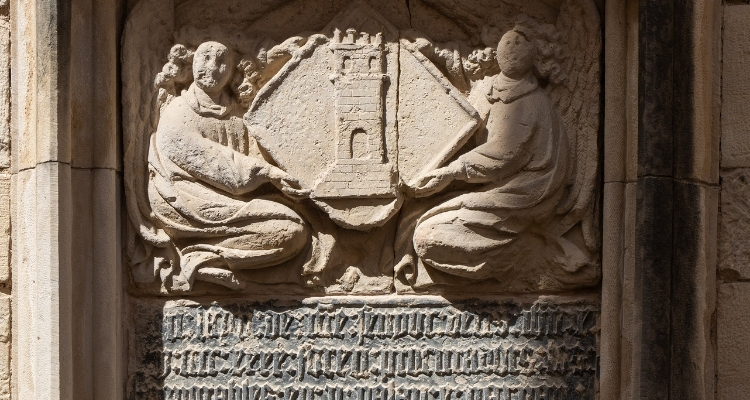
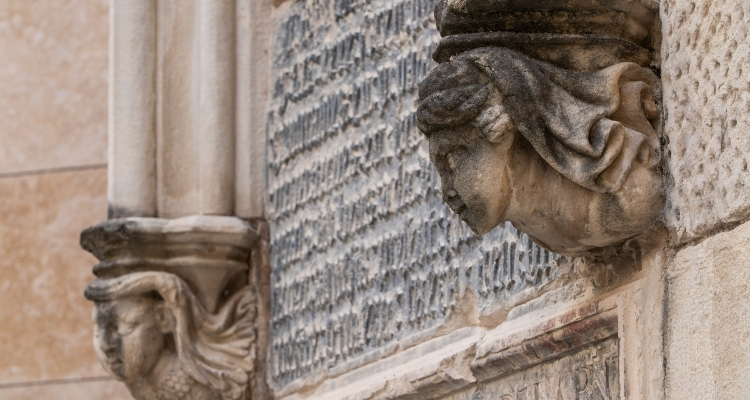
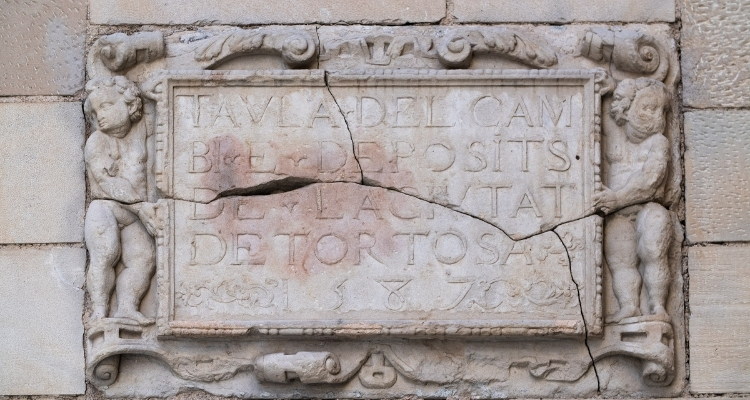
The area also preserves the historic plaque of the Taula de Canvi i Dipòsits de Tortosa (Exchange and Deposits Bank of Tortosa), an institution established in 1587. The Exchange played an important role in the city’s economic life and bears witness to the commercial and financial importance achieved by Tortosa during the early modern period.
Today, the Oliver de Boteller Palace houses the Territorial Services of the Department of Culture of the Government of Catalonia. Consequently, its interior is not part of a regular tourist circuit.
Nevertheless, its façade provides an opportunity to discover one of the most interesting examples of Gothic civil architecture in Tortosa. The monumental entrance portal, decorative battlements, scars left by the Civil War and surrounding heritage features make the Oliver de Boteller Palace a noteworthy stop on any walk through the historic centre.
.