Description
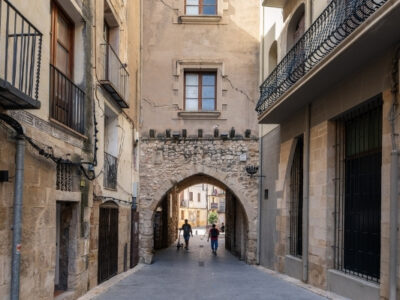
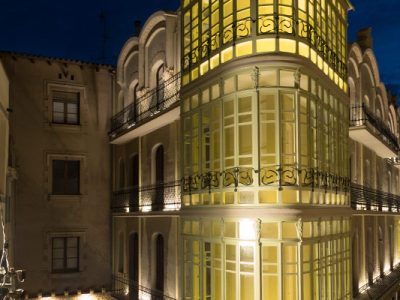
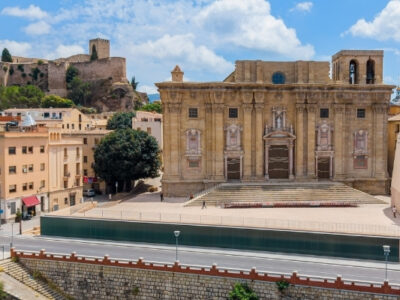
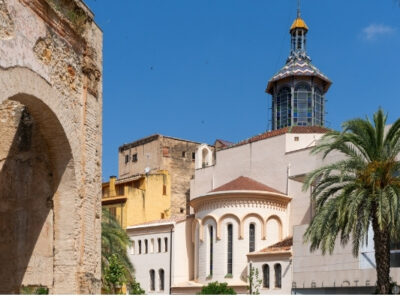
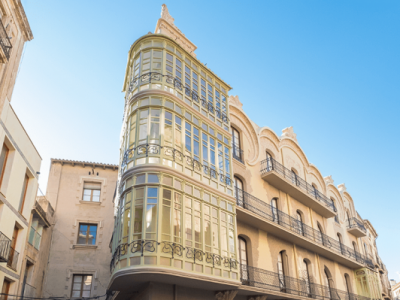
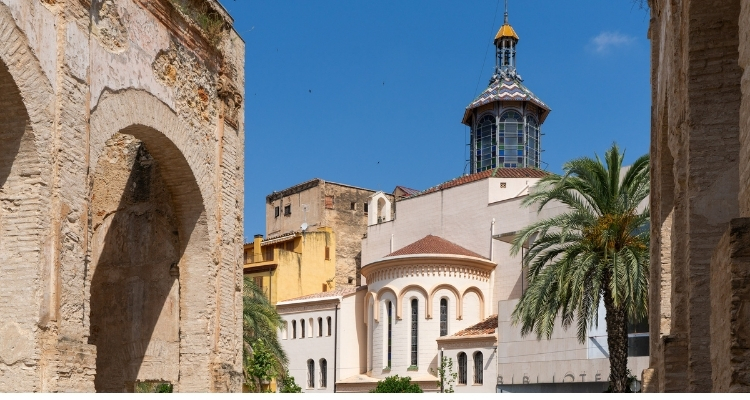
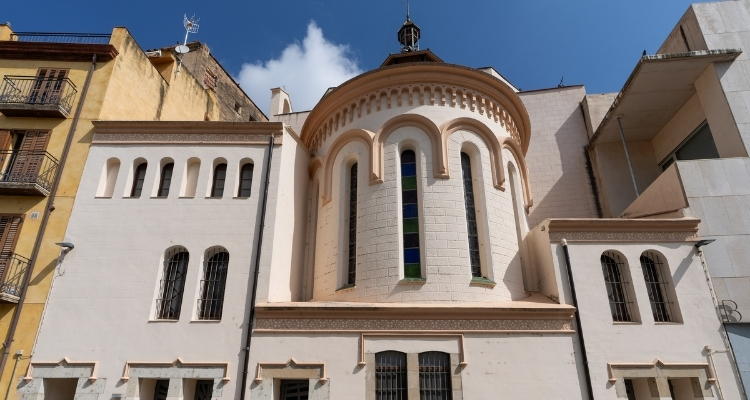
The Temple of Reparation in Tortosa is one of the most distinctive religious buildings in the historic centre. Located very close to the Romeu Gate and the Marcel·lí Domingo Library, its architecture combines different Historicist styles with elements associated with Catalan Modernisme. Its distinctive dome is also one of the most recognisable features of the skyline in this part of the city.
Temple of Reparation in Tortosa: architecture and history
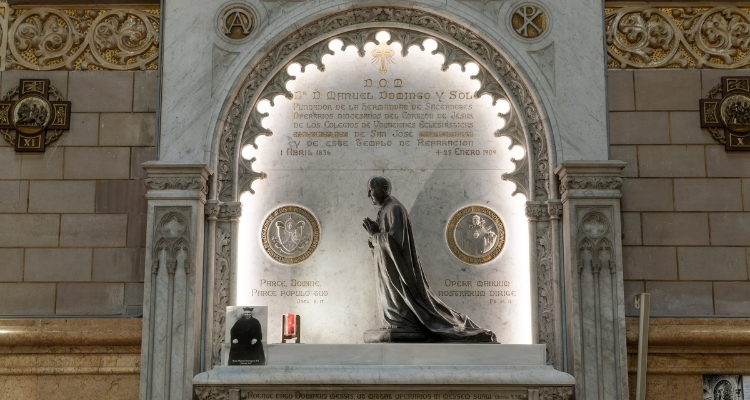
The temple was designed by architect Joan Abril i Guanyabens and inaugurated in 1903. Its construction was closely linked to the Brotherhood of Diocesan Worker Priests and its founder, Blessed Josep Domingo i Sol, an important figure in Tortosa’s modern religious history.
The building stands on the site formerly occupied by the church of the Mercedarian convent. Thus, the present complex also reflects the architectural and urban transformations that reshaped this part of Tortosa between the 19th and 20th centuries.
Its architecture combines Neo-Gothic, Neo-Romanesque and Neo-Byzantine influences with features associated with Modernisme. As a result, the temple has a distinctive appearance within Tortosa’s religious heritage.
A distinctive dome on Tortosa’s skyline
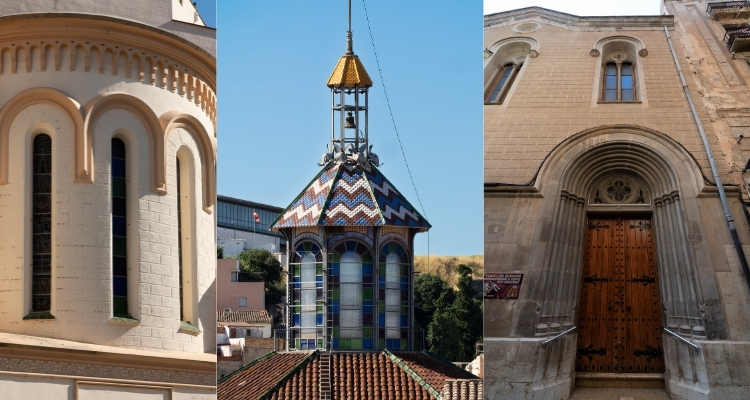
Before entering the temple, it is worth taking a closer look at the exterior. One of its most striking features is the large dome covered with polychrome ceramic tiles, in whose design architect Pau Monguió i Segura was involved.
The dome rises above the rooftops of the historic centre and can be seen from various points around the city. In addition, the colourful ceramic tiles make it an easily recognisable feature of Tortosa’s urban landscape.
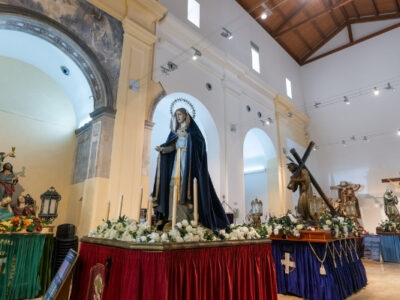
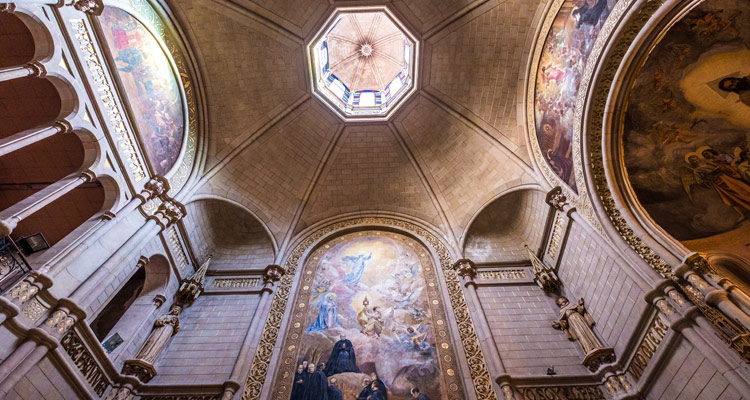
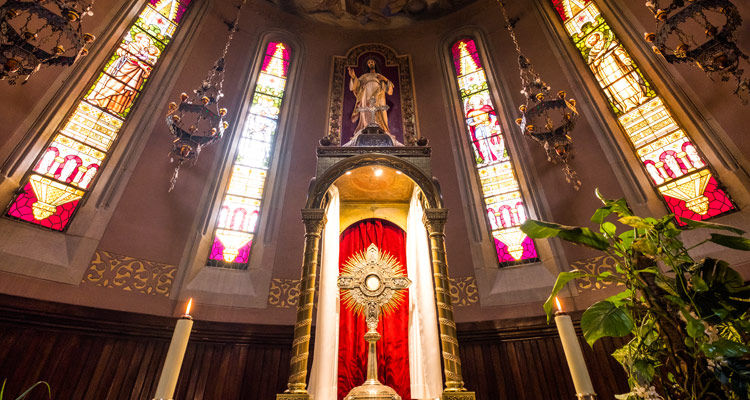
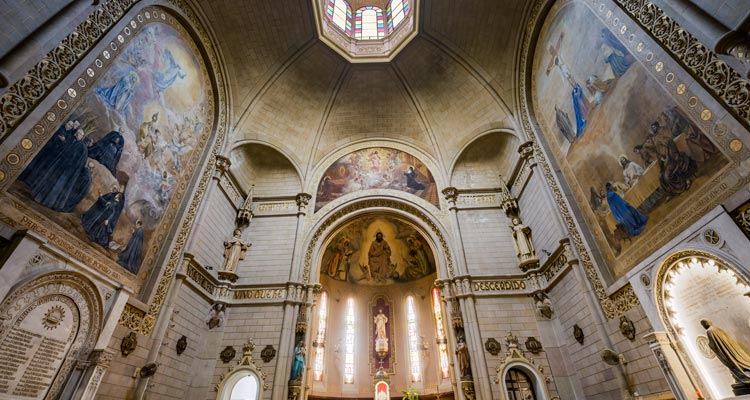
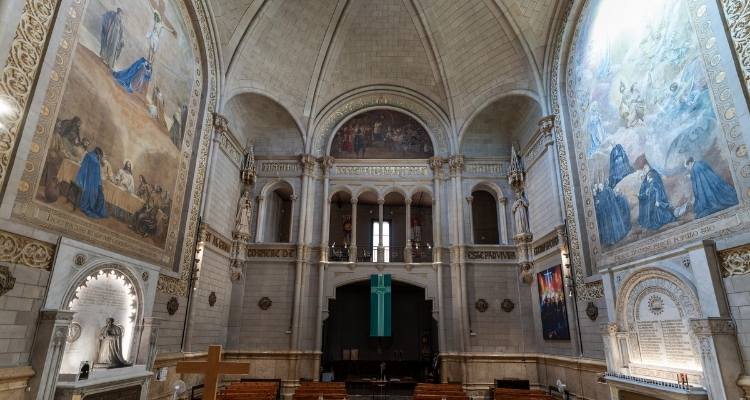
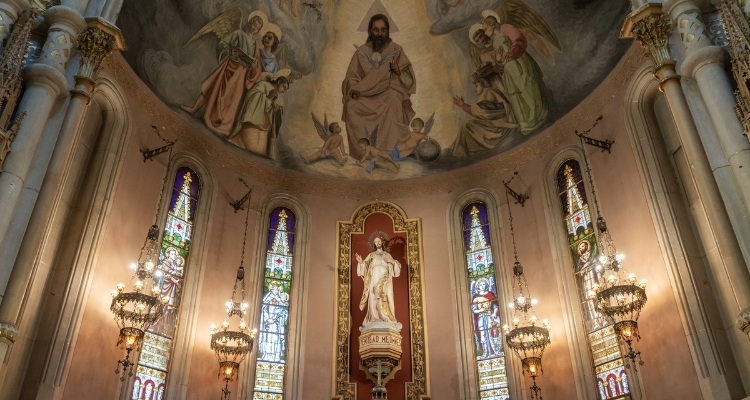
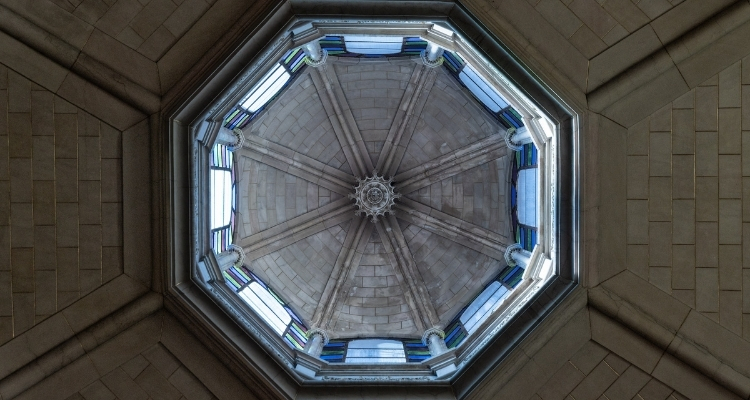
Inside, the structure takes the form of an octagonal dome crowned by a skylight. The combination of ceramics, iron and stained glass allows natural light to enter and emphasises the verticality of the space. At the same time, paintings, stained-glass windows, decorative plasterwork and the ornamentation of the sanctuary contribute to the artistic richness of the interior.
Josep Domingo i Sol and the Mossèn Sol Space
Blessed Josep Domingo i Sol, popularly known as Mossèn Sol, has a prominent presence within the temple. Several elements commemorate his life and his connection with the Brotherhood of Diocesan Worker Priests.
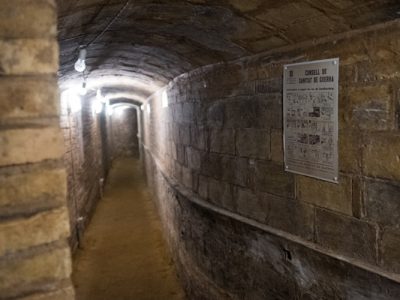
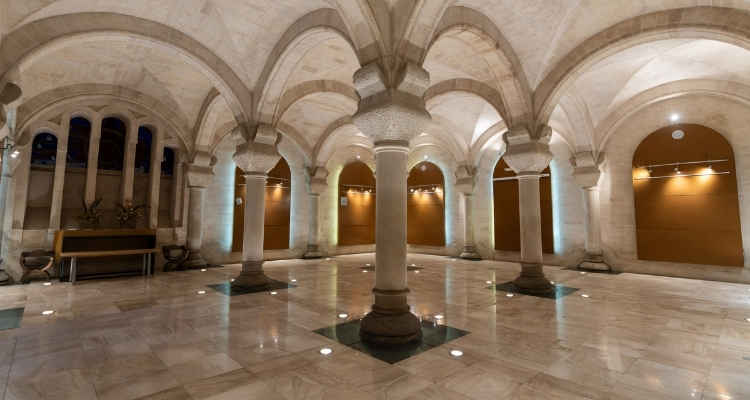
In addition, at the rear of the church, with access from Plaça dels Dolors, is the crypt, also known as the Mossèn Sol Space. Following its restoration, this area has hosted cultural activities and events.
Work carried out in this part of the complex also revealed archaeological remains dating from the Roman period, including funerary structures. Therefore, the site preserves evidence of human activity long before the construction of the present temple and helps illustrate the long history of this area of Tortosa.
A temple also marked by 20th-century history
The Temple of Reparation also preserves the memory of events that took place during the Spanish Civil War. A tomb within the church contains the remains of seventeen priests who died in 1936, forming part of the religious memory associated with this period.
Overall, the Temple of Reparation brings together architecture, art, archaeology and history within a single building. Its polychrome dome is its most distinctive exterior feature, while the interior reveals the decorative richness and unusual architectural character of one of Tortosa’s most remarkable religious buildings.