Description
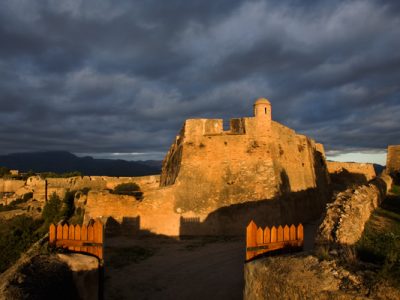
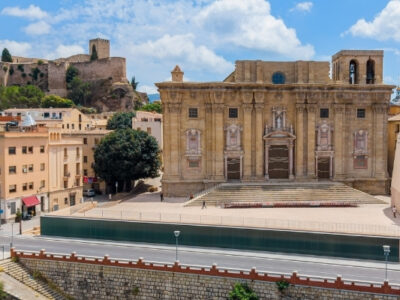
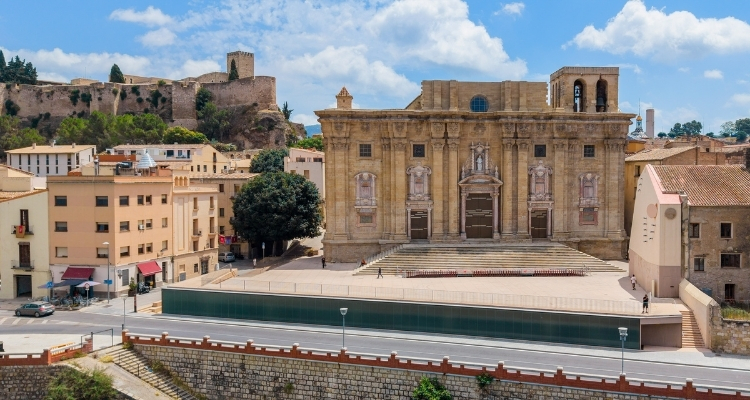
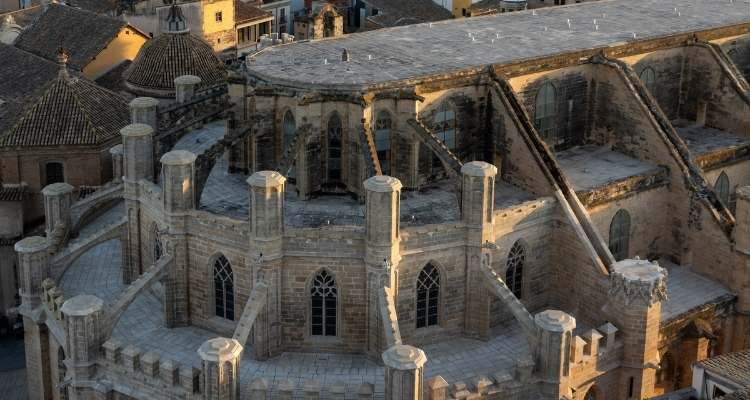
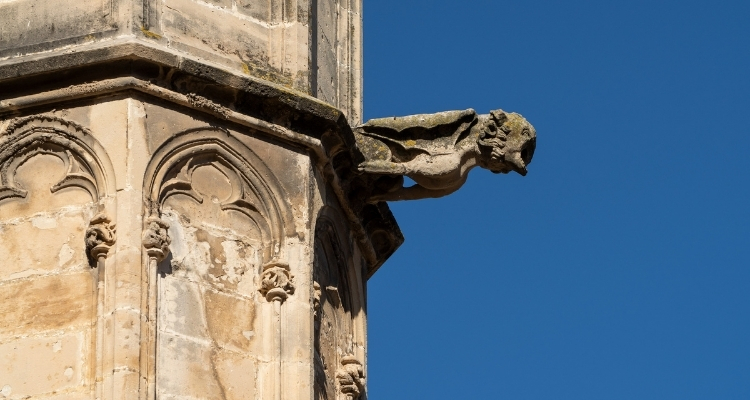
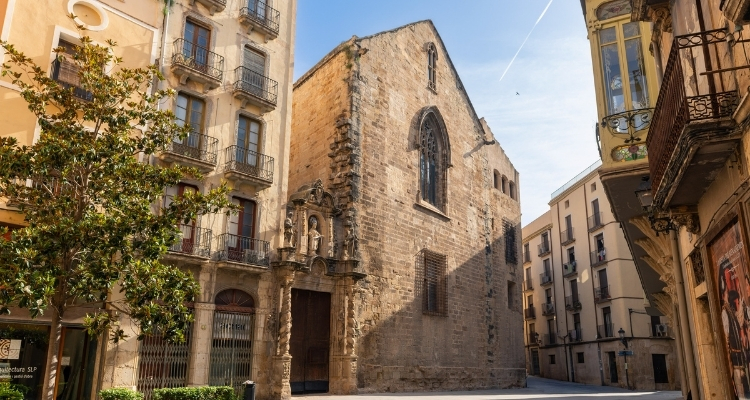
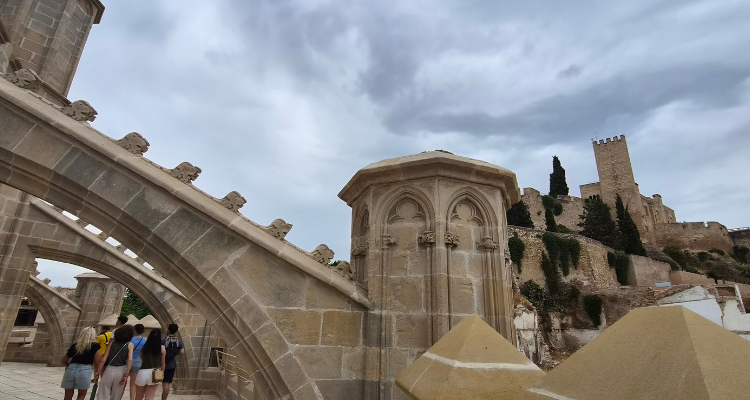
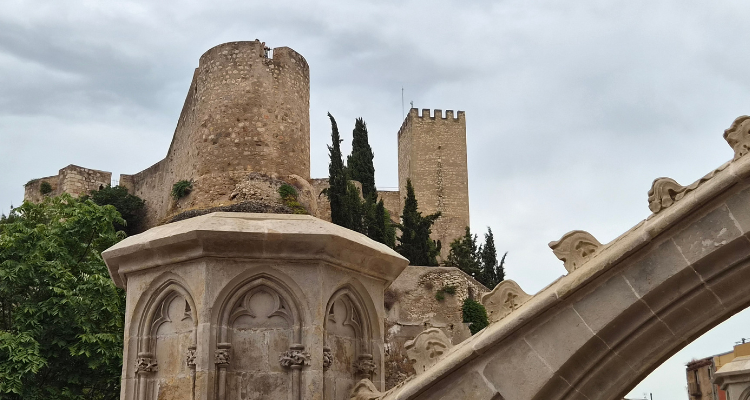
Tortosa Cathedral is one of the city’s most iconic monuments and one of the great examples of Catalan Gothic architecture. Located at the foot of Suda Castle, it stands on a site associated with political and religious power since ancient times. This area was once home to the forum of Roman Dertosa, the episcopal centre of the Visigothic period and, later, the main mosque of the Andalusi city.
The Cathedral of Santa Maria was chosen by popular vote as one of the 7 Treasures of Tortosa’s Cultural Heritage, as part of Tortosa’s designation as Capital of Catalan Culture in 2021. This recognition highlights its outstanding historical, architectural and artistic significance.
Tortosa Cathedral: four centuries of construction
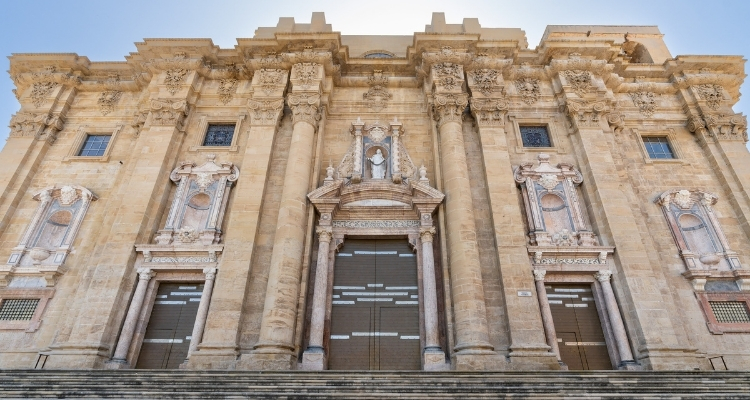
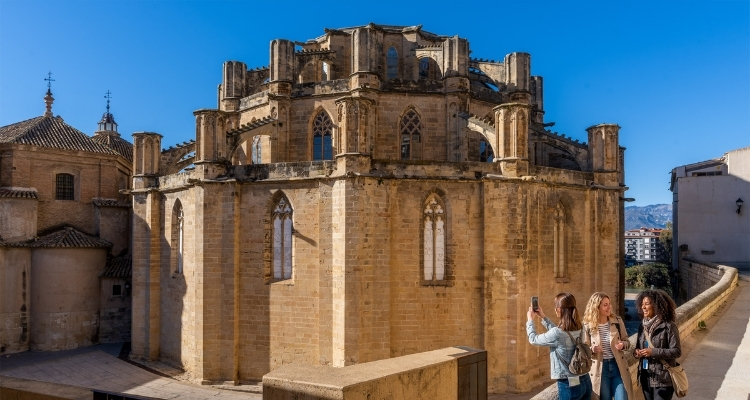
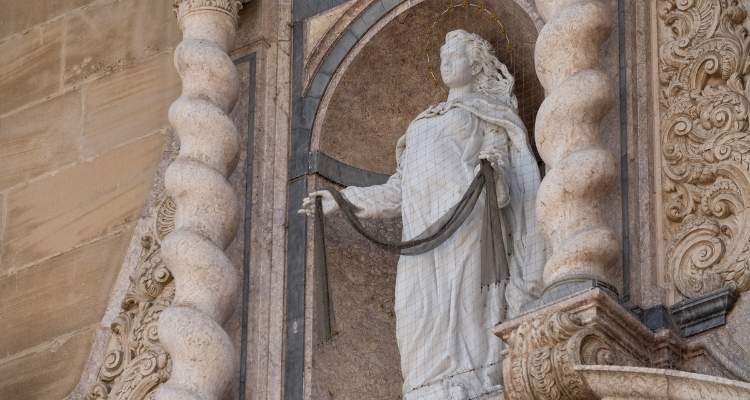
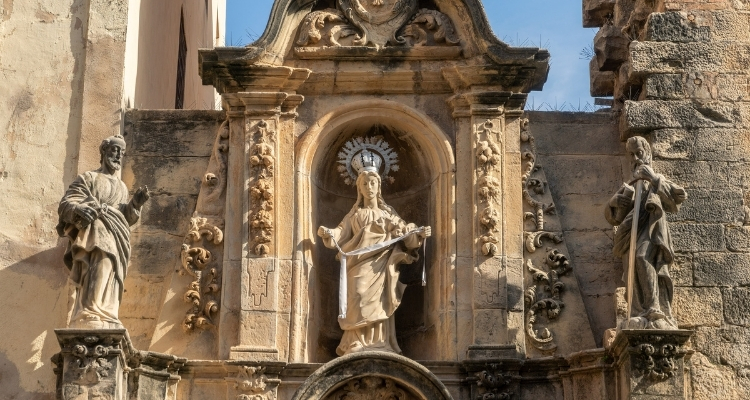
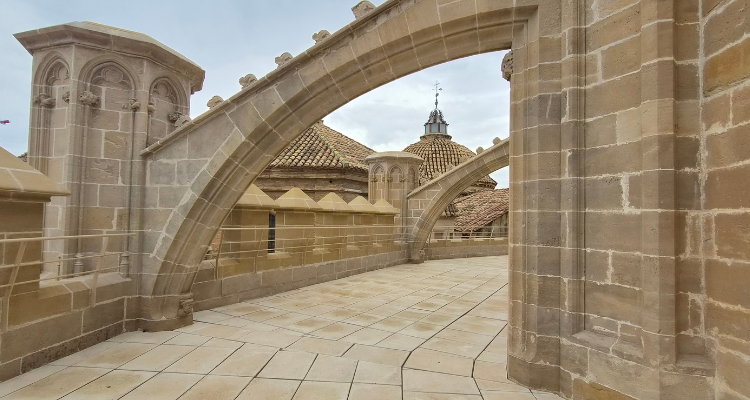
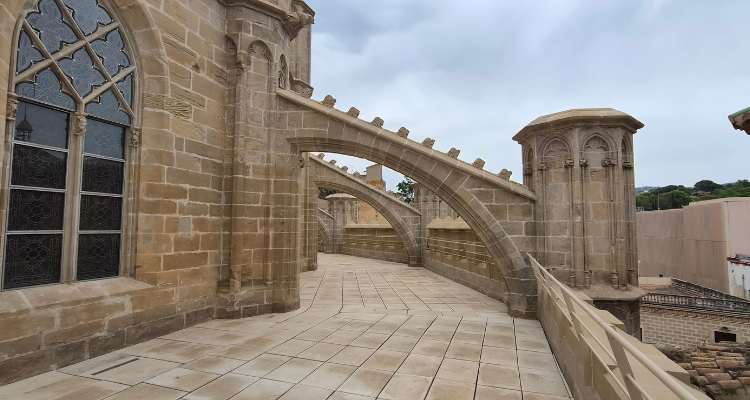
Construction of the present cathedral began in 1347 and continued for almost four centuries. Despite this lengthy process, the building retains a remarkable architectural unity associated with the Catalan Gothic style. Finally, its monumental Baroque façade, built in the 18th century, completed one of the most important religious complexes in southern Catalonia.
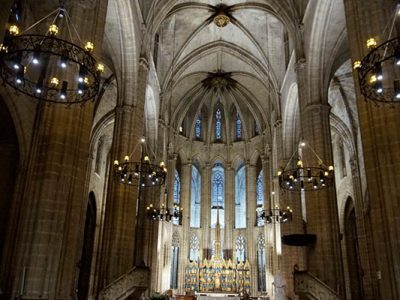
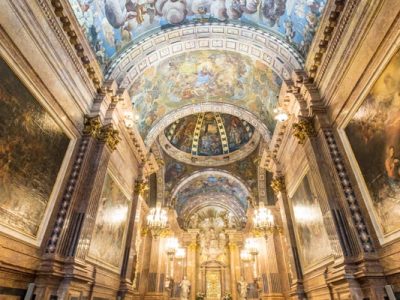
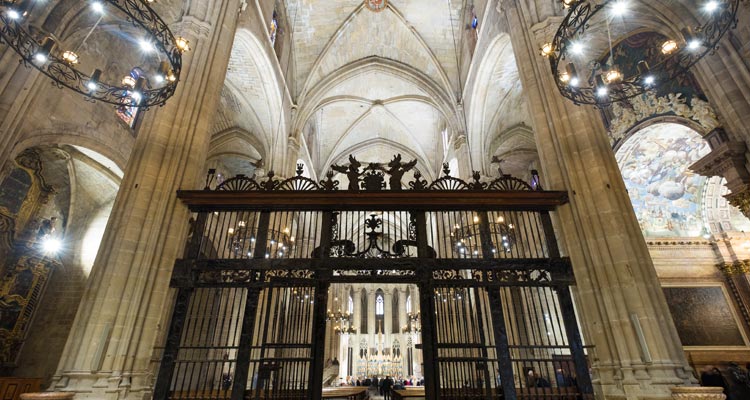
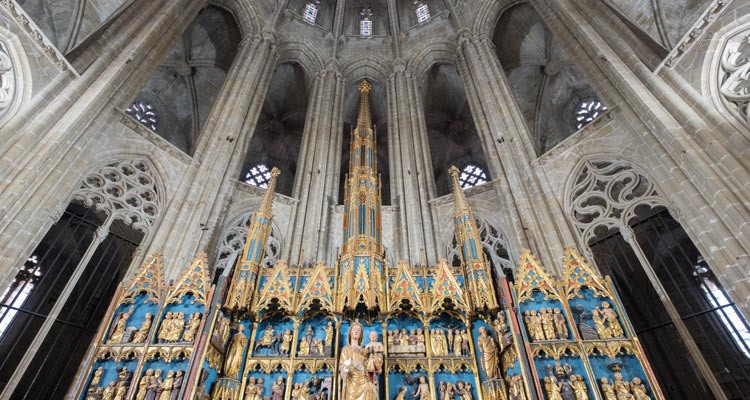
The interior is striking for its scale and light. The church has three naves, without a transept, with side chapels set between the buttresses. In addition, elegant ribbed vaults enhance the sense of spaciousness.
One of its most distinctive architectural features is the double ambulatory. This unusual design makes it possible to walk completely around the sanctuary and is one of the cathedral’s most remarkable architectural features.
Gothic, Renaissance and Baroque art
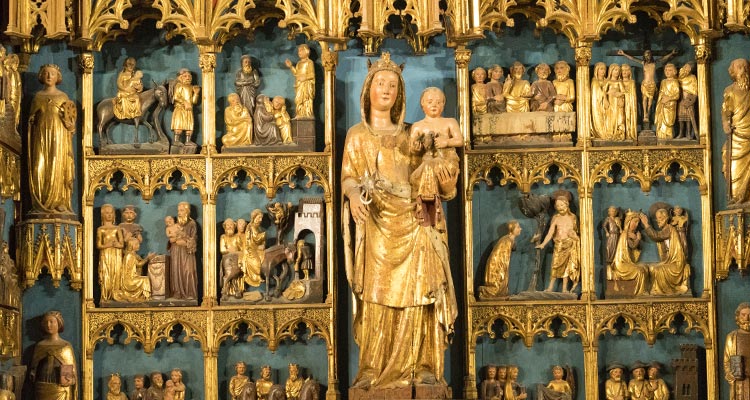
Among the many works of art preserved in Tortosa Cathedral, the main altarpiece of Santa Maria, also known as the Altarpiece of the Star, is particularly noteworthy. This magnificent polychrome medieval work is one of the artistic highlights of the cathedral. Moreover, the ensemble allows visitors to follow the artistic evolution of the building through different periods and styles.
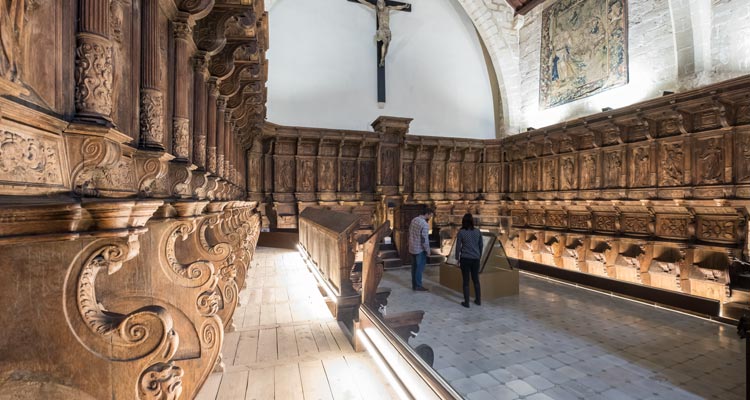
The Renaissance left an especially important legacy in the cathedral. One of its finest examples is the magnificent 16th-century choir stalls, an outstanding work of woodcarving now included in the Permanent Exhibition of the Artistic and Documentary Collection.
The screen of the high altar is another important example of Renaissance craftsmanship, particularly the artistic use of metalwork. In addition, the Chapel of the Name of Jesus reveals how Renaissance artistic forms were incorporated into the cathedral. Together, these elements reflect the cultural and artistic importance of Tortosa during the 16th century.
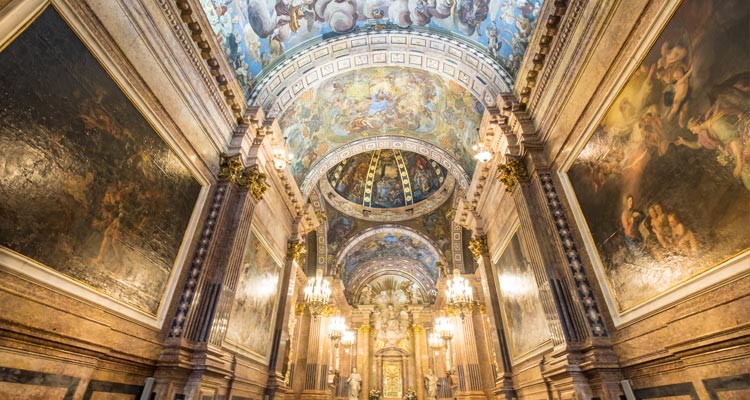
By contrast, the Chapel of Our Lady of the Cinta is one of the great Baroque treasures of the cathedral. Built using pink jasper from Tortosa and other fine marbles, it is remarkable for the richness of its materials and decoration. The chapel is dedicated to Our Lady of the Cinta, the patron saint of the city.
The cloister and the Cathedral’s heritage
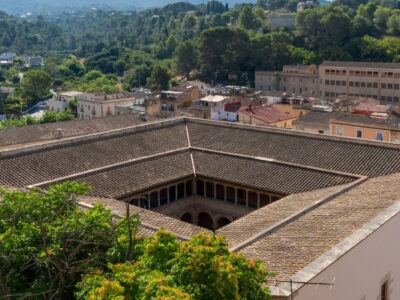
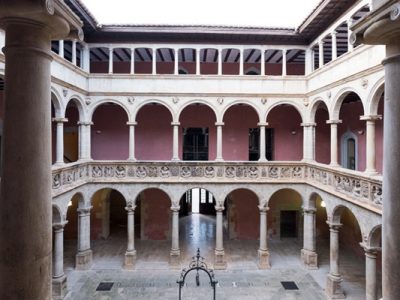
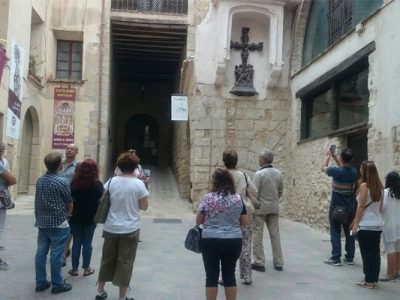
The monumental complex also includes the Gothic cloister, which has an unusual trapezoidal plan. It is accessed through the Porta de l’Olivera, an elegant Baroque doorway. Along the route, visitors can see historiated capitals, medieval tombstones and numerous features representing different periods in the cathedral’s history.
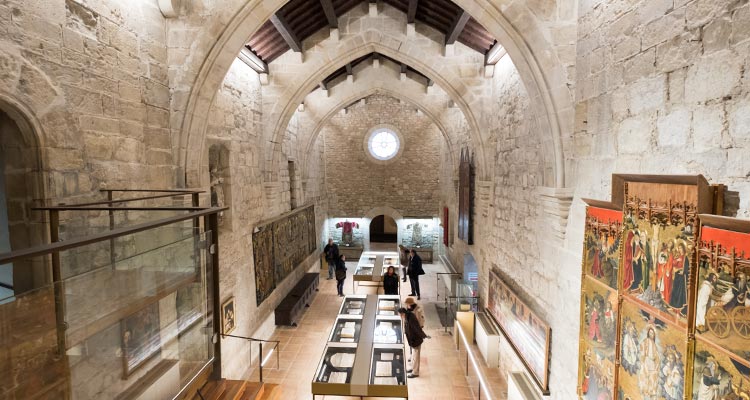
The visit continues through the Permanent Exhibition of the Artistic and Documentary Collection, housed in the former canonical buildings and accessed through the Porta del Palau. Here, visitors can explore more than nine centuries of history through an extensive collection.
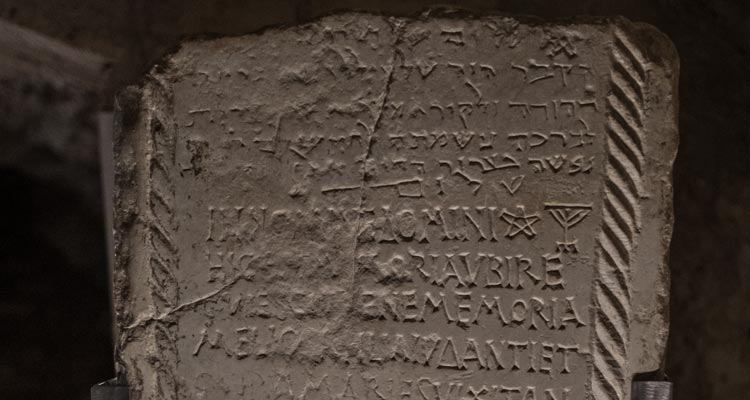
The exhibition includes Roman, Visigothic and Arabic inscriptions, as well as paintings, sculptures, codices, parchments, tapestries and precious metalwork. Furthermore, the 16th-century choir stalls are among the most valuable works in the cathedral’s artistic heritage.
An essential visit in Tortosa
Today, Tortosa Cathedral remains one of the city’s principal landmarks. Its architecture and collections reveal different periods of Tortosa’s history within a single monumental complex. At the same time, its exceptional Gothic, Renaissance and Baroque heritage offers visitors a journey through several centuries of art and history.
For all these reasons, a visit to the cathedral provides an excellent introduction to the historical and cultural development of Tortosa and to one of the most important heritage sites in the Terres de l’Ebre.
Visitor information
Admission donations
- General: €5.00
- Seniors, Youth Card holders and large families: €4.00
- Children aged 10–16: €4.00
- Groups (minimum 20 people): €3.50